
900
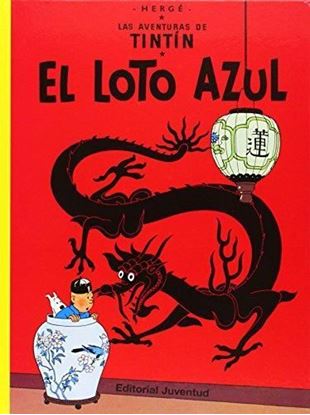
TINTIN Y EL LOTO AZUL (TD)
Tintín viajará esta vez a la milenaria China. En Shangai descubre el origen de un poderoso veneno que hace enloquecer. Se enfrenta con una terrible banda de traficantes de opio y con unos agentes japoneses que hasta el final del libro mantienen el suspense del lector. Al finalizar Los cigarros del faraón, Hergé había anunciado en Le Petit Vingtième que Tintín iba a proseguir su viaje hacia Extremo Oriente. Entonces recibió una carta del Padre Gosset, capellán de los estudiantes chinos en la Universidad de Lovaina, que le aconsejó documentarse bien sobre China y su cultura y le presentó a Tchang Tchong-Jen, joven chino estudiante de arte en la Academia de Bellas Artes de Lovaina. Enseguida simpatizaron y se hicieron grandes amigos. (Podemos reconocerlo en el personaje Tchang, el chico chino amigo de Tintín).
900
1,100
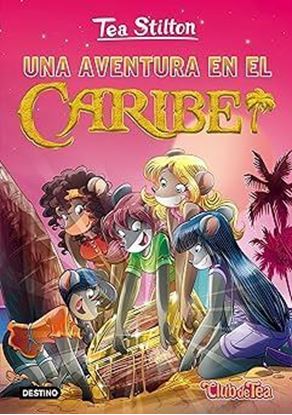
TS 22. UNA AVENTURA EN EL CARIBE
En una isla de las Bahamas, encontramos el antiguo mapa de una pirata. ¿Nos conducirá hasta un tesoro? Para descubrirlo, vivimos una gran aventura en el espléndido mar Caribe.
1,100
250
320
500
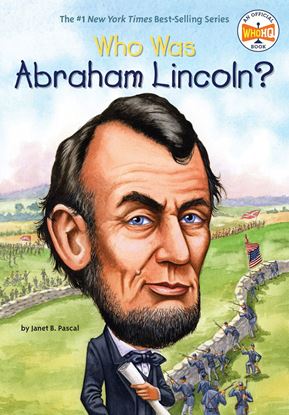
WHO WAS ABRAHAM LINCOLN?
Born to a family of farmers, Lincoln stood out from an early age—literally! (He was six feet four inches tall.) As sixteenth President of the United States, he guided the nation through the Civil War and saw the abolition of slavery. But Lincoln was tragically shot one night at Ford’s Theater—the first President to be assassinated.
500
500
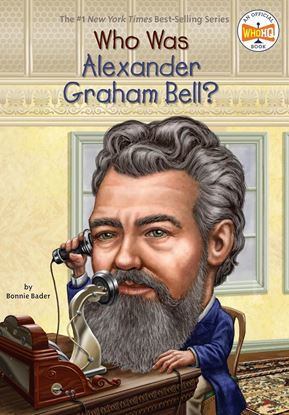
WHO WAS ALEXANDER GRAHAM BELL? (+8)
Did you know that Bell's amazing invention--the telephone--stemmed from his work on teaching the deaf? Both his mother and wife were deaf. Or, did you know that in later years he refused to have a telephone in his study? Bell's story will fascinate young readers interested in the early history of modern technology!
500