
NOVEDADES








3,995
SIMS HILDITCH, BEATUFULLY BRITISH INT.
Spanning the extraordinary breadth of the studio’s most recent work—projects in townhouses, historic country manors, and seaside villas—the interiors in this book reflect the design philosophy of founder Emma Sims-Hilditch: Every house needs to work on a functional level before one even considers the decoration. Spaces, from sumptuous entrance halls and sitting rooms to hardworking kitchens and boot rooms, are organized for efficiency and practicality before the design team introduces an abundance of floral and damask textiles, striking colors, both refined and comfortable furnishings, and decorative trims.
This book not only explores the fruits of complex and rewarding collaborations that artfully breathe new life into old buildings but also offers an insight into an exciting new chapter in the fascinating story of classic English country houses. New materials and technologies, paired with traditional decorative devices, reinvigorate a Victorian house in the city, an eighteenth-century country house, a Jacobean manor, an apartment in London’s Old War Office, and many other quintessentially British residences.
3,995
3,995
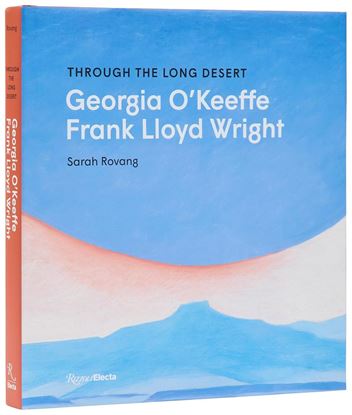
THROUGH THE LONG DESERT: G. O'KEEFE
Georgia O’Keeffe and Frank Lloyd Wright were neither competitors nor direct collaborators. Yet these romantic heroes of twentieth-century art and architecture largely operated in parallel. In this seminal book, Rovang weaves together their compelling life stories, examining newly discovered links between them and, in the process, offering a fresh perspective on their work, their intermittent yet poignant friendship, and their closeness to the desert.
Starting in 1933, O’Keeffe and Wright exchanged roughly two dozen letters in which they expressed admiration for one another but also their passion for the places that informed them—many of which they had in common. Both were born in rural Wisconsin and built their careers in Chicago and New York. However, both sought inspiration and fulfillment in places farther afield, including in Japan and the desert landscape of the American Southwest. Juxtaposing images highlighting shared aspects of their individual biographies and work, this unique take on American creative expression explores the nature of artistic friendship and the idea of “home.” Rovang’s text gives rich context to the allure and romance of her visual subject, offering readers new ways to appreciate O’Keeffe’s and Wright’s monumental contributions to American culture.
3,995

2,500
THE WORLD ATLAS OF FOOTBALL STADIUMS
This panoramic collection showcases stadiums, venues, and pitches, from the quirky to the historic, covering both men’s and women’s leagues, professional to amateur, wherever the game is played with enthusiasm and great style.
For those who love the sport, either from birthright or from newly kindled passion, there’s a distinct and beloved resonance and local character to each stadium. This is one of soccer’s great charms, and this book is a road map to a pilgrimage to 1000 arenas that anyone in love with the beautiful game would want to visit in person: some visionary and new, some ageing but iconic, some remote yet picturesque, some tumbledown, quirky yet historical and utterly lovable—but all with such genuine personality, the fans’ hearts beat a little faster to see a match there.
2,500

3,995
WORLD MONUMENTS FUND
From the fabled towers of Babylon and Angkor Wat to the colossal stone heads of Rapa Nui (Easter Island) and secret gardens of Beijing’s Forbidden City, each of the sixty sites featured in this lavishly illustrated book are must-visit destinations for every cultured traveler, representing the pinnacles of human achievement over millennia and across the globe.
Yet despite their beauty, fame, and importance, these treasured places face existential challenges arising from climate change, war, financial pressures, and—increasingly—over-tourism. From its founding in 1965, World Monuments Fund (WMF) has focused the public’s attention on these dangers while developing solutions that will ensure these sites will be enjoyed for generations to come.
3,995
11,500
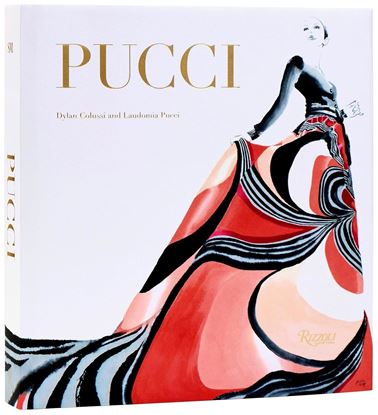
PUCCI THE ART OF FASHION
This luxuriously designed and lavishly illustrated publication is the most definitive look at the rich history of the revolutionary and iconic fashion brand built by Emilio Pucci. Featuring never-before-seen material from the brand’s archives at the Palazzo Pucci in Florence, this is the most detailed and comprehensive monograph ever published.
First championed by Jacqueline Kennedy, Sophia Loren, Marilyn Monroe, and later pop icons Madonna and Kylie Minogue, the brand is known for pioneering collaborations. Many of the greatest names in fashion and art have worked with Pucci, championed by leading fashion editors Suzy Menkes, Maria Pezzi, and Diana Vreeland and photographers Peter Lindbergh, Franco Rubartelli, Mario Testino, and Inez & Vinoodh.
Since 2002, daring creative directors—Christian Lacroix, Peter Dundas, Massimo Giorgetti, and most recently Camille Miceli—have been inspired by Pucci’s incredible heritage as the starting point for new creative directions.
11,500
3,995
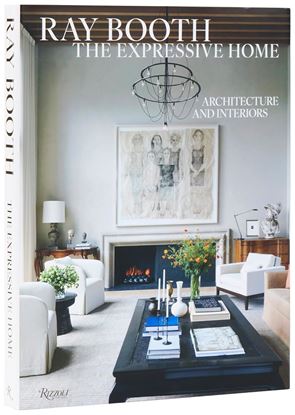
RAY BOOTH: THE EXPRESSIVE HOME
Booth showcases his innovative and sophisticated modern interiors, which mix a keen sense of tranquility with bold and elegant details, as well as homes renovated inside and out, and houses designed and decorated from the foundations up. Both his exteriors and interiors display a harmonious blend of traditional and contemporary elements, resulting in an appealingly timeless aesthetic. This exquisitely designed tome presents his forward-thinking vision.
The spectacular projects featured span the country from coast to coast—from a dramatic Los Angeles hillside dwelling with expansive windows to a contemporary Nashville home that marries brick, metal, and wood. For his own Provincetown seaside getaway, he has chosen an unexpected cutting-edge style. These projects show how he pushes the boundaries of design while imbuing spaces with soul.
3,995