NOVEDADES








1,100
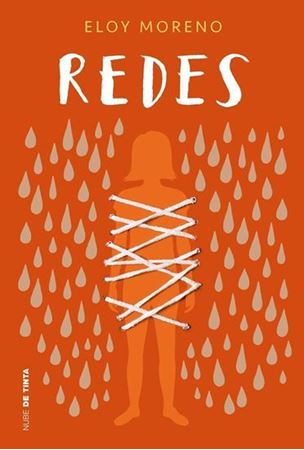
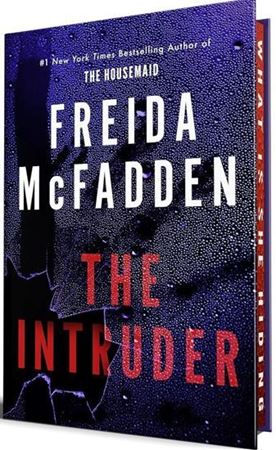
CUANDO EL MUNDO SE VIENE ABAJO
Desde su inicio, el ser humano ha pasado por innumerables guerras, catástrofes y enfermedades. Durante años, ha intentado sobrevivir y sobrellevar situaciones que ellos mismos provocaron. Sin embargo, rondando el año 2150, las preocupaciones parecen escasear en las personas. Se ha alcanzado la cúspide del éxito en el ámbito tecnológico, la salud ha mejorado y la tasa criminal se ha reducido.
En apariencia, solo existían vidas perfectas, prolongadas y saludables. Un mundo perfecto en un futuro perfecto. Hasta que un día se desató el caos, la muerte y la desesperación y, cuando el mundo se venía abajo, solo unos pocos quedarían para sobrevivir.
1,100
1,500
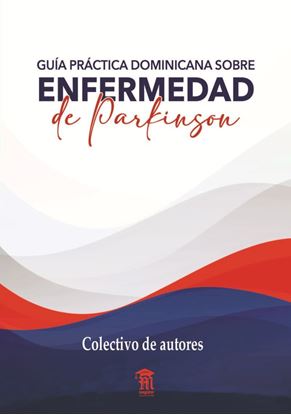
GUIA PRACTICA DOM. SOBRE LA ENFERMEDAD P
Esta Guía práctica dominicana sobre la enfermedad de
Parkinson reúne el conocimiento clínico, la experiencia
profesional y la mirada especializada de destacados médicos
dominicanos, ofreciendo una visión integral, actualizada
y rigurosa de una de las enfermedades neurodegenerativas
más complejas de nuestro tiempo. A través de sus
distintos capítulos —que abordan desde los fundamentos
generales y el diagnóstico hasta los síntomas no motores,
los trastornos neuropsiquiátricos, las complicaciones y las
opciones terapéuticas, incluido el tratamiento quirúrgico—,
esta obra se consolida como una herramienta de
referencia para profesionales de la salud, pacientes y
familiares. Más que un compendio teórico, este manual
constituye un aporte práctico, claro y contextualizado,
orientado a mejorar la comprensión, el abordaje clínico y
la calidad de vida de quienes conviven con la enfermedad
de Parkinson.
1,500

1,300

900
JAQUE MATE AL AMOR (BOL)
Para Mallory Greenleaf, el ajedrez ha pasado a mejor vida. Ahora sopesa con cuidado cada decisión que toma: después de que dicho deporte hiciese estragos en su familia hace cuatro años, Mallory se dedica en exclusiva a su madre, a sus hermanas y a un trabajo basura con el que paga las facturas. Al menos, hasta que accede de mala gana a participar en un último torneo benéfico y, sin pretenderlo, machaca al famoso Matarreyes, Nolan Sawyer: el campeón mundial y el tío más malote del ajedrez.
La derrota de Nolan frente a una donnadie de cam-peón-ato deja de piedra a todo el mundo. Pero lo más desconcertante es que el chico quiere enfrentarse de nuevo a ella. ¿Qué clase de gambito está poniendo Nolan en práctica? Lo más inteligente sería dar media vuelta y marcharse. Abandonar. Dar por finiquitada la partida. Sin embargo, la victoria le brinda la posibilidad de embolsarse unos cuantos premios en metálico, algo que buena falta le hace, y, pese a todo, no puede evitar sentirse atraída por el enigmático estratega…
900

900
FLAWLESS: SIN REGLAS (BOL)
Vaqueros cascarrabias, romances ardientes… Bienvenidos a Chestnut Springs, una saga ambientada en un pueblo del mismo nombre que está pegando fuerte y firmada por la sensación de TikTok Elsie Silver.
Las normas eran muy sencillas: no meterme en líos y no ponerle ni un dedo encima a su hija.
Pero ahora no puedo escapar de ella. Y solo hay una cama. Y, bueno…, las normas están para romperlas.
Soy el chico de oro de la monta de toros profesional… O, mejor dicho, lo era, hasta que todo se volvió en mi contra. Ahora, mi representante dice que he de lavar mi imagen, así que no me queda más remedio que aguantar que la tocapelotas de su hija me “supervise a tiempo completo” lo que queda de temporada.
Pero yo no necesito ninguna niñera, sobre todo si viene con vaqueros ajustados, una sonrisilla de superioridad y una boca que no se calla nunca… Una boca que no consigo quitarme de la cabeza.
Ella dice que esto no significa nada. Yo digo que lo significa todo.
Dice que hay límites que no debemos cruzar. Que mi reputación no aguantará más golpes y que su corazón herido, tampoco.
Pero yo se lo voy a robar de todos modos.
900

900
NO ES AMOR (BOL)
Puede que Rue Siebert no lo tenga todo, pero no le falta de nada: tiene unos pocos amigos con los que siempre puede contar, la estabilidad económica que anhelaba de pequeña y una exitosa carrera como ingeniera biotecnológica en Kline, una de las empresas emergentes más prometedoras en el campo de la ciencia de los alimentos. Ha trabajado duro y ha conseguido que su mundo sea estable y agradable. Hasta que una hostil adquisición por parte de otra empresa y su ofensivamente atractivo representante amenazan con destruirlo todo.
Eli Killgore y sus socios quieren hacerse con Kline de todas todas. Eli tiene sus motivos para llevar a cabo este trato, y es un hombre que siempre consigue lo que quiere. Con una excepción: Rue. La mujer en la que no puede dejar de pensar. La mujer con la que tiene prohibido estar.
Divididos entre la lealtad y una innegable atracción, Rue y Eli tiran la cautela por las ventanas del laboratorio y de la sala de juntas. Su romance es secreto, sin ataduras y tiene una fecha límite: el día en que una de sus empresas venza. Pero el corazón es un negocio arriesgado; uno en el que se juega a todo o nada.
900
900
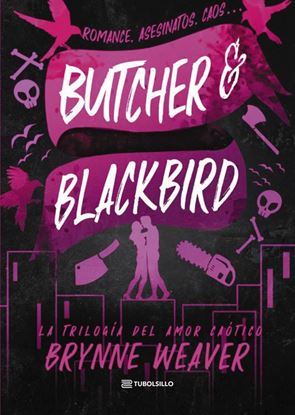
BUTCHER & BLACKBIRD (1) (BOL)
Romance. Asesinatos. Caos
Todo asesino en serie necesita un amigo.
Todo juego necesita un ganador
Cuando un encuentro fortuito da lugar a una amistad improbable, los asesinos rivales Sloane y Rowan encuentran algo difícil de alcanzar: la afinidad de dos almas negras que disfrutan matando a otros asesinos en serie.
Desde un pequeño pueblo de West Virginia hasta la lujosa California, y desde el centro de Boston hasta la Texas rural, los dos cazadores se enfrentan en una competición anual: la caza de otros asesinos en serie, un juego que los enfrenta a los monstruos más peligrosos del país.
Pero a medida que su amistad se va transformando en algo más, los fantasmas que dejan a su paso les siguen de cerca, dispuestos a reclamar mucho más que su recién descubierto amor.
¿Podrán Rowan y Sloane salir de la tumba que se han cavado? ¿O habrán encontrado, al fin, a su digno rival y alma gemela?
900

900
NOVIA (BOL)
Misery Lark, la única hija del concejal vampírico más poderoso del suroeste, es, de nuevo, una marginada. Los días de anonimato entre los humanos se le han acabado: su padre recurre a ella para poder llevar a cabo una alianza de paz histórica entre los vampiros y sus enemigos mortales, los licántropos, por lo que no le queda más remedio que resignarse al intercambio. Otra vez…
Los licántropos son despiadados e impredecibles y su alfa, Lowe Moreland, no es la excepción. Lidera a su manada con total autoridad, pero siempre de forma justa y, a diferencia del Consejo Vampírico, con compasión. Por el modo en que no pierde de vista a Misery, está claro que no se fía de ella. Y bien que hace…
Porque Misery tiene sus motivos para haber accedido a ese matrimonio de conveniencia, motivos que nada tienen que ver con la política ni con ninguna alianza, sino con lo único que le ha importado en la vida. Y está dispuesta a hacer lo que haga falta para recuperar lo que es suyo, incluso si para ello debe vivir a solas en territorio licántropo… a solas con el lobo.
900

900
MAÑANA, Y MAÑANA, Y MAÑANA (BOL)
Una apasionante historia sobre los videojuegos, la amistad y la superación.
Un gélido día de diciembre de su primer año en Harvard, Sam Masur sale de un vagón de metro y ve, entre las hordas de gente que esperan en el andén, a Sadie Green. La llama a gritos. Por un momento, ella hace como que no lo ha oído, pero entonces se vuelve y empieza la partida: una colaboración legendaria que los lanzará al estrellato. Piden dinero prestado, favores y, antes incluso de graduarse, firman su primera superproducción: Ichigo, un juego en el que uno puede escapar de los confines del cuerpo y las traiciones del corazón, en el que la muerte no significa más que una oportunidad para recomenzar y volver a jugar.
900