NOVEDADES
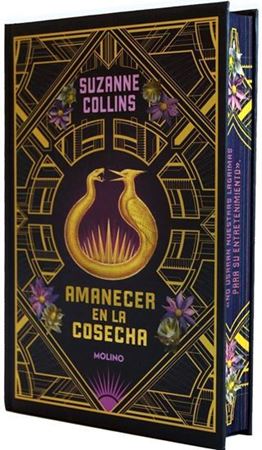
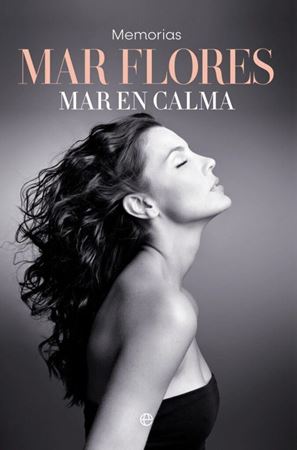
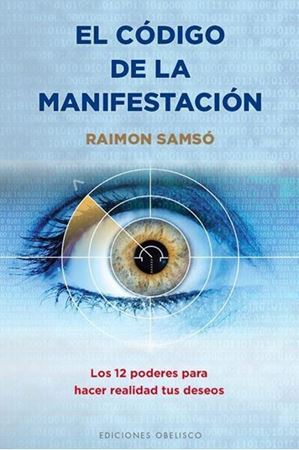
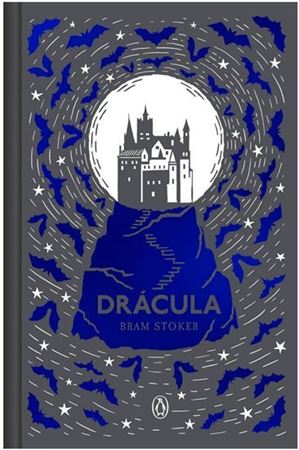



4,500
BUILDING ON TRADITION
Over two decades, William Curtis and Russell Windham have worked to show that classical architecture can embody the same attention to context and custom approach to design often ascribed to more modern movements, underscoring how versatile classical ideals and details can be. In styles reminiscent of the great Tudor manor houses of England to quaint symmetrical clapboard farmhouses, quintessentially Mission-style haciendas, and of course neo-Georgian mansions, the firm builds houses with a faithful adherence to historical detail, proportion, and materials that makes them stand out as truly world-class designers.
With interiors as much a part of their core practice as exteriors, this firm is able to carry through an integrity of vision—graciously curved banisters, warm and inviting mantels, detailed brickwork, and coffered ceilings—that makes every project feel truly whole, complete. Yet a strong sense still pervades every featured home that they are organized to support modern lifestyles, taking the best of the past and adapting it to create homes that are truly comfortable and functional for today’s families.
4,500
1,150
1,450
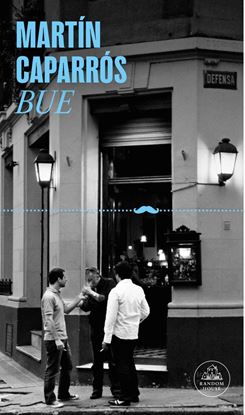
BUE
No hay nada más único y más diverso que una ciudad. En cada una, millones y millones de personas se cruzan, se miran, se rozan, se dejan atrás: nos acostumbramos a que nuestras vidas sucedan entre multitudes de desconocidos de los que somos, al mismo tiempo, vecinos, compatriotas, víctimas, verdugos, compañeros de esperanzas y de frustraciones. Con ellos construimos y compartimos el estilo de nuestra ciudad, esas características que la hacen distinta de todas las demás.
BUE refleja esta diversidad: sus páginas están atravesadas por docenas de personajes, situaciones, culturas, espacios, voces que arman el fresco, desbordante de vida, del último siglo de una de las ciudades más sorprendentes y sorprendidas de Occidente.
1,450