
NOVEDADES












950
RESPONSABILIDAD Y JUICIO (BOL)
Fue en Eichmann en Jerusalén donde Hannah Arendt empleó por vez primera la expresión «la banalidad del mal». Su consternación ante el hecho de que un hombre que no era un monstruo pudiera actuar como agente del mal más extremo fue objeto de burla, indignación e incomprensión. La tormenta provocada por esa controversia indujo a Arendt a abordar nuevamente las cuestiones e inquietudes fundamentales suscitadas en torno a la naturaleza del mal y la elección moral. Responsabilidad y juicio reúne una serie de escritos correspondientes a la última década de la vida de Arendt, cuando se esforzaba por explicar el sentido de Eichmann en Jerusalén.
El núcleo de este libro es una profunda investigación ética: «Algunas cuestiones de filosofía moral»; en él Arendt aborda la insuficiencia de las verdades morales tradicionales como normas para juzgar lo que somos capaces de hacer y examina desde una nueva óptica nuestra capacidad para distinguir el bien del mal. Y lo justo de injusto. Vemos allí cómo Arendt viene a darse cuenta de que, junto al mal radical del que se había ocupado en anteriores análisis del totalitarismo, existe una forma más perniciosa de mal cuya ejecución no tiene límites cuando el que lo comete no siente remordimientos y es capaz de olvidar sus actos rápidamente.
950

1,800
THE DUKE AND I DELUXE COLLECTOR S ED.
In the ballrooms and drawing rooms of Regency London, rules abound. From their earliest days, children of aristocrats learn how to address an earl and curtsey before a prince—while other dictates of the ton are unspoken yet universally understood. A proper duke should be imperious and aloof. A young, marriageable lady should be amiable…but not too amiable.
Daphne Bridgerton has always failed at the latter. The fourth of eight siblings in her close-knit family, she has formed friendships with the most eligible young men in London. Everyone likes Daphne for her kindness and wit. But no one truly desires her. She is simply too deuced honestfor that, too unwilling to play the romantic games that captivate gentlemen.
Amiability is not a characteristic shared by Simon Basset, Duke of Hastings. Recently returned to England from abroad, he intends to shun both marriage and society—just as his callous father shunned Simon throughout his painful childhood. Yet an encounter with his best friend’s sister offers another option. If Daphne agrees to a fake courtship, Simon can deter the mamas who parade their daughters before him. Daphne, meanwhile, will see her prospects and her reputation soar.
The plan works like a charm—at first. But amid the glittering, gossipy, cut-throat world of London’s elite, there is only one certainty: love ignores every rule...
This novel includes the second epilogue, a peek at the story after the story.
1,800
700
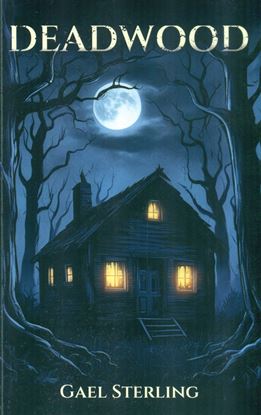
DEADWOOD
En una aislada cabaña situada en un bosque de las afueras de DEADWOOD, vive plácida- mente la familia Brooks, en la época de 1897.
El misterio y la incertidumbre se apoderan de ellos, al tratar de descubrir quién está detrás de todo el caos.
En esta novela se relata el terror psicológico desde múltiples mundos perturbados por un trastorno de identidad disociativo. Mientras más te adentras en la historia, más intrigante es la realidad.
700