
NOVEDADES










1,350
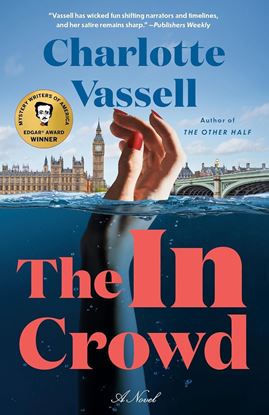
THE IN CROWD (PB)
In the garden of a large Georgian villa in Southwest London, socialites and politicos swap gossip and sip Pimm's while making snide remarks at each other. Not far from this frivolity, though, a body has been discovered in the River Thames. At first, it appears to be an unfortunate accident, but the death is connected to this gathering of who's who in a way that may spell scandal.
Meanwhile, Detective Inspector Caius Beauchamp, attempting to enjoy an evening at the theatre, is shocked to discover another dead body, just a few seats away. The death is linked to the decades-old disappearance of a fourteen-year-old girl at a boarding school in Cornwall. Now Caius has two cases on his plate, but if he wants the resources to solve the tragic mystery of the girl's disappearance, he will have to take new orders from a shadowy government minister who contends that the accidental drowning in the Thames was anything but.
1,350
1,200
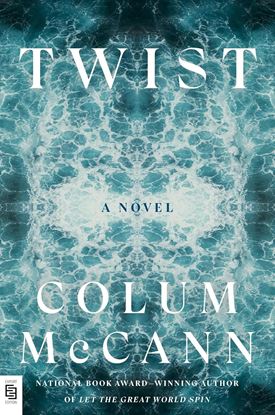
TWIST
Anthony Fennell, a journalist, is in pursuit of a story buried at the bottom of the sea: the network of tiny fibre-optic tubes that carry the world's information across the ocean floor - and what happens when they break. A darkly epic novel about connection, disconnection and destruction - from bestselling and National Book Award-winning author Colum McCann.
1,200

1,350
UN SEGUNDO PARA AMAR (BREAKING WAVES 1)
Avery, Isabella, Odina, Lee y Josie son jóvenes, salvajes e inseparables desde que se conocieron en un campamento de surf en una pequeña isla frente a la costa de Carolina del Sur. Están viviendo el verano de sus vidas hasta que, de pronto, Josie desaparece sin dejar rastro.
Diez años después aparece una pista…
1,350

1,995
BEACH READ (SPECIAL EDITION)
Augustus Everett is an acclaimed author of literary fiction. January Andrews writes bestselling romance. When she pens a Happily Ever After, he kills off his entire cast.
They’re polar opposites.
In fact, the only thing they have in common is that for the next three months they’re living in neighboring beach houses, broke and bogged down with writer’s block.
Then one hazy evening, one thing leads to another and they strike a deal designed to force them out of their creative ruts: Augustus will spend the summer writing something happy, and January will pen the next Great American Novel. She’ll take him on field trips worthy of any rom-com montage, and he’ll take her to interview surviving members of a backwoods death cult (obviously). Everyone will finish a book and no one will fall in love. Really.
1,995

1,350
EMPTY VESSEL
What do a barracks for British troops in the Falklands War, a floating jail off the Bronx, and temporary housing for VW factory workers in Germany have in common? The Balder Scapa: a single barge that served all three roles. Though the name would eventually change to Finnboda 12. And then to Safe Esperia. And later on, to the Bibby Resolution. And after that . . . in short, a vessel with so many names, and so many fates, that to keep it in our sights—as the protagonist of this fascinating economic parable—Ian Kumekawa has no choice but to call it, simply, the Vessel.
Despite its sturdy steel structure, weighing 9,500 deadweight tons, the Vessel is a figure as elusive and abstract as the offshore market it comes to embody: a world of island tax havens, exploited labor forces, free banking zones, Thatcherism, Reaganomics, and mass incarceration, where even the prisoners are held offshore. Fitted with modular shipping containers, themselves the product of standardized global trade, the ship could become whatever the market demanded. Whether caught in an international dispute involving Hong Kong, Nigeria, Indonesia, and the Virgin Islands—to be settled in an English court of law—or flying yet another foreign “flag of convenience” to mask its ownership—the barge is ever a container for forces much larger than even its hulking self.
Empty Vessel is a jaw-dropping microhistory that speaks volumes about the global economy as a whole. In following the Vessel—and its Sister Vessel, built alongside it in Stockholm—from one thankless task to the next, Kumekawa connects the dots of a neoliberal world order in the making, where regulation is for suckers and “Made in USA” feels almost quaint.
1,350
450
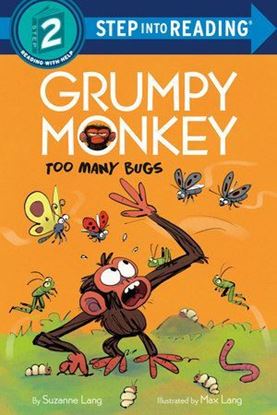
GRUMPY MONKEY TOO MANY BUGS (LEVEL 2)
When Norman shows Jim his pet butterfly, Butterfly-Butterfly, Jim is suitably impressed, especially when Norman spouts butterfly facts. Then Norman adds Beetle-Beetle 1 and Beetle-Beetle 2 and so many more to his menagerie. Now Norman spends all his time feeding and caring for his pets and doesn’t have time to play. Grumpy Monkey Jim feels left out. And when all the bugs have babies, Jim declares that Norman has too many and persuades his friend to set them free. But then Norman sees a ladybug…
450
1,400
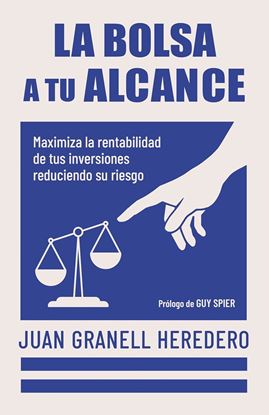
LA BOLSA A TU ALCANCE
¿Y si hacer crecer tu dinero fuera más fácil de lo que parece?
Mucha gente descarta invertir en bolsa por miedo, desconocimiento o falta de confianza en la industria financiera. Sin embargo, este libro parte de una idea sencilla: con el enfoque adecuado, cualquier persona es capaz de rentabilizar sus ahorros de forma segura, eficiente y sin necesidad de ser experta en finanzas.
La bolsa a tu alcance demuestra que se puede invertir con éxito sin asumir riesgos innecesarios. Existen dos maneras para conseguirlo: a través de una estrategia pasiva basada en fondos indexados, que replican el comportamiento de un índice bursátil, ideal para quienes buscan invertir sin complicaciones; y por medio de una estrategia activa fundamentada en el value investing, la filosofía idónea para quienes desean gestionar sus inversiones con mayor implicación y un alto potencial de rentabilidad.
Juan Granell presenta ambos enfoques con ejemplos personales, análisis de empresas reales y recomendaciones respaldadas por grandes inversores como Warren Buffett y Charlie Munger. A lo largo del libro se explican casos concretos, errores frecuentes, el impacto del interés compuesto en el tiempo y cómo evitar las trampas que el sector financiero pone al inversor.
Sin fórmulas complejas ni promesas vacías, estas páginas ofrecen herramientas prácticas para invertir con sentido común y alcanzar, paso a paso, la libertad financiera.
1,400

2,400
LA CONSTRUCCION DE LA ARQUITECTURA M.
Este libro presenta la construcción de la arquitectura moderna me- xicana mediante un enfoque basado en cinco estructuras de poder: la académica, la económica y política, la de estatus social, la de género y la poscolonial. Se incluyen también fragmentos de entre- vistas y análisis de obras de trece destacados arquitectos: Luis Ba- rragán, José Villagrán García, Juan O'Gorman, Pedro Ramírez Váz- quez, Agustín Hernández, Abraham Zabludovsky, Carlos Mijares, Ricardo Legorreta, Juan José Díaz Infante, Enrique Norten, Alberto Kalach, Javier Sordo Madaleno y Clara de Buen. Todo ello pro- porciona un testimonio vivo de todo ese proceso.
Si bien las cinco estructuras de poder enmarcaron y definieron esa arquitectura, las entrevistas de unos arquitectos que fueron sus protagonistas ayudan a descubrir e identificar sutilezas y matices en lo acontecido en ese periodo. De este modo, sus voces arrojan luz sobre lo que contribuyó a hacer de la arquitectura moderna mexicana algo tan singular a escala mundial. Aunque esos arqui- tectos no siempre fueron conscientes de la presencia de esas estruc- turas de poder, sus proyectos participaron en la marginación, la discriminación y el sometimiento que tales estructuras provocaban. En este sentido, el presente estudio también revela hasta qué punto dichas estructuras de poder están todavía presentes en la arquitec- tura mexicana actual.
2,400
1,450
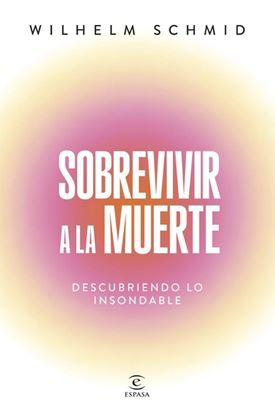
SOBREVIVIR A LA MUERTE
¿Cómo es posible sobrevivir a la muerte? Una reflexión sobre la muerte que nos ayudará a entender su sentido. Un libro profundo y reconfortante, con numerosas reflexiones para la propia vida.
Un método popular para "sobrevivir" a la muerte es simplemente no hablar de ella. Sin embargo, en su nuevo libro, Wilhelm Schmid enfrenta este tema sin rodeos.
Porque no hay escapatoria: por ahora, la muerte sigue siendo el final de la vida para cada ser humano. Lo único que varía es el momento y la manera en que ocurre. La mayoría de las veces llega demasiado pronto y deja tras de sí mucho sufrimiento. ¿Podría aliviarse este drama si aceptáramos la idea de que la muerte no es el final de toda existencia?
Wilhelm Schmid aborda con seriedad esta cuestión, que ha inquietado a la humanidad desde tiempos inmemoriales: ¿A dónde va aquel que se marcha? ¿A otra vida? ¿Existe realmente una vida después de la muerte? ¿Cómo podría imaginarse? ¿Podría ser un consuelo el simple hecho de que tal posibilidad exista?
1,450