1,100
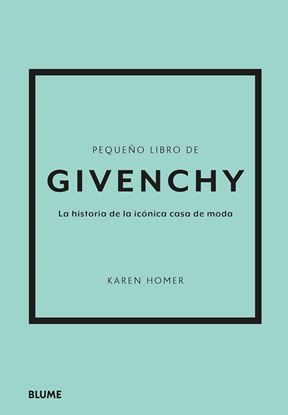
PEQUEÑO LIBRO DE GIVENCHY
* Desde que Audrey Hepburn desayunó frente al escaparate de Tiffany con un vestido negro, Givenchy ha sido el faro que guía la alta costura. * Mujeres tan diferentes como Jackie Kennedy, la duquesa de Sussex, Elizabeth Taylor o Kendall Jenner se han rendido a sus líneas limpias y cómodas, a sus siluetas clásicas y femeninas, al romanticismo y la sofisticación de vestir el estilo Givenchy. * Este libro explora la historia de la firma, desde su colección debut de 1952 hasta las propuestas tan modernas como atemporales de los últimos años. Exquisitamente ilustrado, con fotografías que muestran la cuidada selección de diseños, detalles e hitos, el mundo de Givenchy desfila a lo largo de estas páginas en todo su esplendor. «Dar vida a un tejido es algo fabuloso: lograr que algo se mueva bien, la armonía del color». Hubert de Givenchy
1,100

1,200
PEQUEÑO LIBRO DE NIKE
Descubra la legendaria historia de Nike, que con su extraordinario diseño y el inconfundible Swoosh ha conquistado el mundo y se ha convertido en una especie de culto.
En esta guía ilustrada, Josh Sims analiza el ascenso de la compañía de equipamiento deportivo más grande del mundo, desde sus inicios humildes en Oregón hasta convertirse en un imperio global de la industria de la moda.
A través de los diseños más icónicos de la marca, las innovaciones que transformaron el sector y su influencia en la cultura pop, este libro representa una lectura esencial para los amantes de las últimas tendencias y de las sneakers.
1,200

6,500
POOLSIDE WITH SLIM AARONS
Poolside with Slim Aarons offers images of jet-setters and the wealthy, of beautiful, glittering people living the glamorous life. Yet this collection of stunning photographs of the rich and well-connected “doing attractive things” in their favorite playgrounds has a twist: The main character is pools, and everything that goes with them.
Pools bring with them images of magnificent, suntanned bodies; well-oiled skin; bikini-clad women; yachts; summer cocktails; sumptuous buffets; spectacular locations; and most of all: fun.
Poolside is not so much a who’s who of society, aristocracy, and celebrity—although C. Z. Guest, Lilly Pulitzer, Cheryl Tiegs, Peter Beard, and many who have appeared in Slim's previous books are here—as it is about leisure time and how the rich make use of it. This is a more intimate peek into very private lives, to which photographer Slim Aarons was given unprecedented access in the fifties, sixties, seventies, and eighties.
This coffee table book is perfect for sharing, displaying, and gifting.
6,500

2,350
PRINCIPIOS UNIVERSALES DE TIPOGRAFIA
* 100 conceptos, teorías y reglas clave para elegir, combinar y utilizar la tipografía: un libro que lo equipará con todo lo que necesita para tomar las decisiones tipográficas más informadas en sus trabajos de diseño, sea cual sea el medio. * Profusamente ilustrado y de fácil comprensión, con explicaciones claras combinadas con ejemplos visuales, principios comprobados a lo largo de cientos de años de composición tipográfica y los últimos avances en tecnología de navegadores, fuentes web y fuentes variables. * El arte y la ciencia de la tipografía combinan ajustes sutiles en la longitud de las líneas con mezclas armoniosas de pesos y estilos, emparejamientos de tipografías seleccionados con esmero junto a un conjunto sólido de caracteres alternativos, y avances tecnológicos emocionantes con las realidades de las licencias tipográficas. Existen innumerables maneras en las que los diseñadores pueden mejorar la legibilidad de un texto e influir en cómo se entiende su mensaje; sin embargo, muchos diseñadores comunican mal sin siquiera darse cuenta. Información completa y autorizada junto a ejemplos didácticos e inspiradores en temas multidisciplinares para diseñadores, arquitectos, ingenieros, estudiantes y cualquiera que esté interesado en ampliar y enriquecer sus conocimientos en diseño.
2,350
11,500
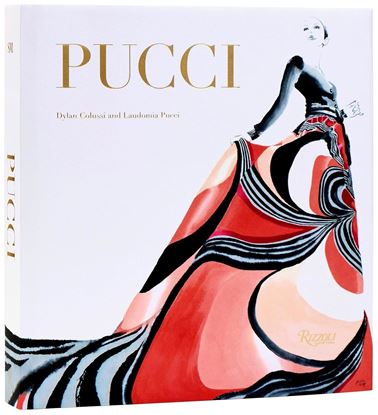
PUCCI THE ART OF FASHION
This luxuriously designed and lavishly illustrated publication is the most definitive look at the rich history of the revolutionary and iconic fashion brand built by Emilio Pucci. Featuring never-before-seen material from the brand’s archives at the Palazzo Pucci in Florence, this is the most detailed and comprehensive monograph ever published.
First championed by Jacqueline Kennedy, Sophia Loren, Marilyn Monroe, and later pop icons Madonna and Kylie Minogue, the brand is known for pioneering collaborations. Many of the greatest names in fashion and art have worked with Pucci, championed by leading fashion editors Suzy Menkes, Maria Pezzi, and Diana Vreeland and photographers Peter Lindbergh, Franco Rubartelli, Mario Testino, and Inez & Vinoodh.
Since 2002, daring creative directors—Christian Lacroix, Peter Dundas, Massimo Giorgetti, and most recently Camille Miceli—have been inspired by Pucci’s incredible heritage as the starting point for new creative directions.
11,500
3,995
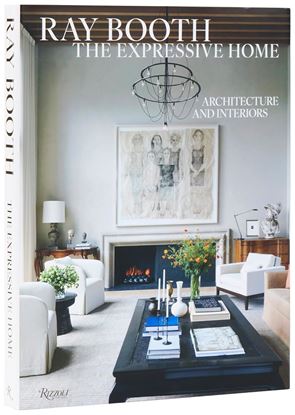
RAY BOOTH: THE EXPRESSIVE HOME
Booth showcases his innovative and sophisticated modern interiors, which mix a keen sense of tranquility with bold and elegant details, as well as homes renovated inside and out, and houses designed and decorated from the foundations up. Both his exteriors and interiors display a harmonious blend of traditional and contemporary elements, resulting in an appealingly timeless aesthetic. This exquisitely designed tome presents his forward-thinking vision.
The spectacular projects featured span the country from coast to coast—from a dramatic Los Angeles hillside dwelling with expansive windows to a contemporary Nashville home that marries brick, metal, and wood. For his own Provincetown seaside getaway, he has chosen an unexpected cutting-edge style. These projects show how he pushes the boundaries of design while imbuing spaces with soul.
3,995
1,000
2,995
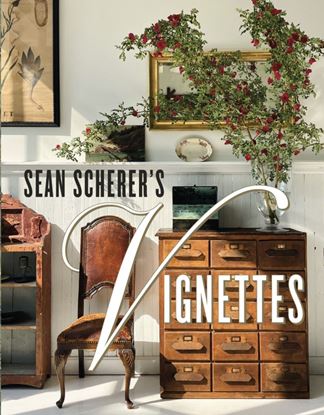
SEAN SCHERERS VIGNETTES
How do you make your home come alive with personality, charm, and memory? In the introduction to Sean Scherer’s first book, Kabinett & Kammer: Creating Authentic Interiors, Anderson Cooper writes, “Scherer has a unique ability to place otherwise ordinary objects in a completely unexpected context or grouping and in so doing change the way you see them.”
In Sean Scherer’s Vignettes, Scherer focuses in on the art of combining common objects into aesthetically pleasing groupings, or vignettes. Contending that a vignette can set the whole mood and tone of a room, he shows you how to use any surface in your home, from a tabletop to a bookshelf to a wall, to create lively displays of your favorite items. Beautifully illustrated with Scherer’s own photographs, the book demonstrates how to balance color, texture, and shape, and provides lessons on how to create both symmetrical and asymmetrical vignettes.
2,995

4,200
SHAPING THE WORLD AS A HOME
Evens has long been considered one of the country’s leading contemporary architects who aspires to create the complete living environment, in the same vein as Gil Schafer, Bobby McAlpine, Ray Booth, and Stanley Dixon. His inspiration is drawn from classical traditions and informed by contemporary indoor-outdoor life—in this case the indoor-outdoor life of California.
4,200