
2,700
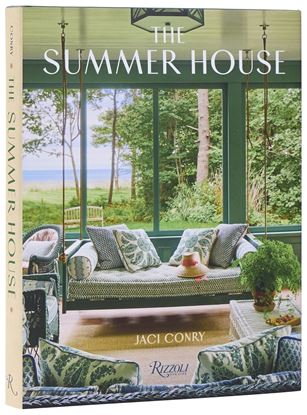
THE SUMMER HOUSE
Summer house: two words that evoke a sense of nostalgia, a touch of romance, a sigh of relaxation. The screen door open to the breeze off the lake. Sunbeams crossing a cheerfully painted wooden floor. A simple coverlet on a wood-framed bed, with views of the sea beyond. Mismatched porcelain piled high on open shelves in the kitchen. These houses are places of respite, where the boundaries between indoor and outdoor living are blurred, where their inhabitants can step away from the complexities and frenetic pace of daily existence, if only for a few days. They are havens where memories are made.
2,700
995
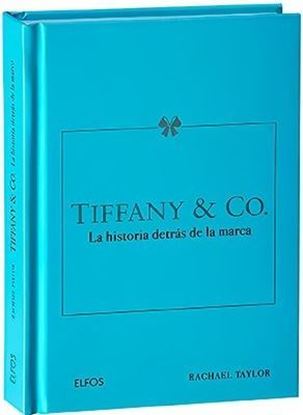
TIFFANY & CO. HISTORIA DETRAS DE LA MODA
Todo el mundo conoce las cajitas azules de Tiffany & Co., pero esta es la fascinante historia real que hay detrás del éxito de la marca de joyería más famosa del planeta.
Descubra cómo el valiente emprendedor Charles Lewis Tiffany, recién llegado a la ciudad de Nueva York en 1837, consiguió convertirse en el «Rey de los diamantes».
La historia de grandes ganancias y pérdidas, del descubrimiento de gemas inéditas y genios del diseño, y de la creación de algunas de las joyas más emblemáticas de nuestro tiempo, entre las que se incluye el clásico anillo de compromiso Tiffany.
995
3,300
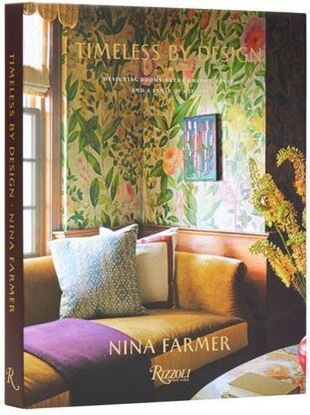
TIMELESS BY DESIGN
Designer Nina Farmer has made a name for herself with her classically beautiful interiors. From reimagining century-old homes to more modern dwellings, Farmer has a way of creating looks that celebrate the past and simultaneously live squarely—and stylishly—in the present. In these pages, Farmer introduces readers to the design solutions she has found for creating that special combination: a carefully curated mix of the classic and the contemporary that looks like it was collected over time rather than created all at once.
3,300
3,995
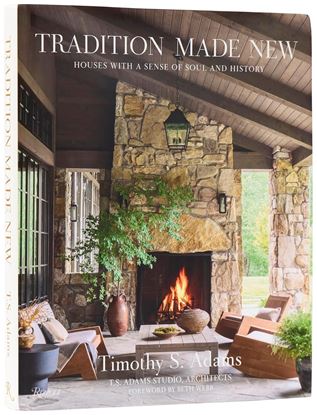
TRADITION MADE NEW
Architect Adams has long had a passion for design. His appreciation for how things are made had its genesis in his childhood experiences on a farm in Asheville, North Carolina. As a boy, Adams always had a pencil in hand, sketching for hours. Today, it is his understanding of craft and response to place that sets him apart.
Informed by Adams’s deep knowledge of historic precedents, proportions, and details, the homes featured in this book are imbued with soul, whether it’s a charming house in the woods on the lake, a refined contemporary beachside retreat, or a traditional manor house in town. While the homes featured range in scale and style— Tudor, Arts and Crafts, French country, Southern farmhouse—Adams imbues each with natural materials such as bespoke architectural details in millwork and molding, arched doorways, and oversized windows. He brilliantly weaves wood, stone, copper, and other natural substances through the interiors to create an effect that casts a spell inside and out. These are houses that are grounded in the past, designed for the present, and intended to remain beautiful and functional over the long term.
3,995
1,995
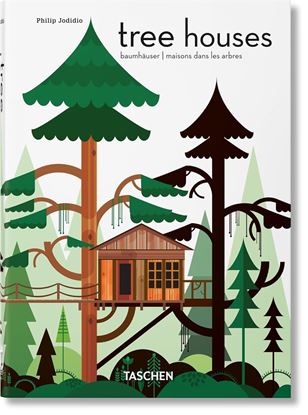
TREE HOUSES. (45TH) (INT)
From romantic to contemporary, from famed architects to little-known craftsmen, you’ll scale the heights to visit all manner of treetop structures, from a teahouse, restaurant, hotel, and children’s playhouse to simple perches from which to contemplate life, enjoy the view, and discover that tree houses take as many forms as the imagination can offer. With an abundance of gorgeous photographs and illustrations, this is an ode to alternative living, where playful imagination meets eco-sensitive finesse.
1,995
4,995
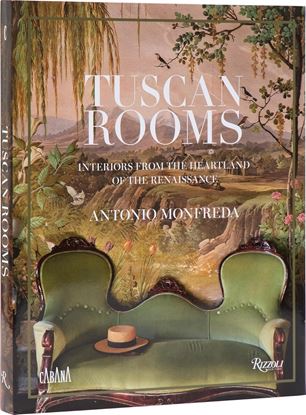
TUSCAN ROOMS
Tuscany’s historical residences tell stories that no mere guidebook can capture. The houses that dot the landscape—from the stately Medici villas to the more humble yet charming farmhouses—are not just structures but also symbols of a way of life, a lasting testament to the fusion of an agrarian lifestyle, picturesque towns, notable architecture, fine craft, and art.
In the book’s foreword, Cabana founder Mondadori writes, “Tuscany is not merely a region; it is a living canvas, a dreamscape that has cradled the imagination of artists, poets, and thinkers for centuries.” The interiors presented in this book are a celebration of the talents of the diverse contemporary homeowners, who are keeping the region’s creative spirit alive. Houses brim with the output of skilled craftsmen, exquisite tapestries, brocades and damasks, objects arranged as if painterly still lifes, fantastical murals, rare books, furniture from a range of periods, and fine porcelain.
4,995