
1,995
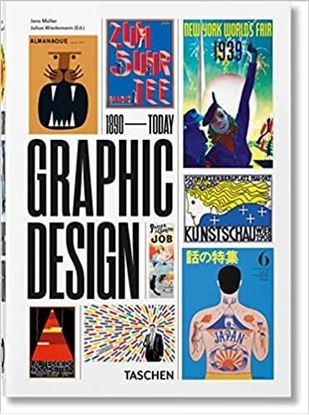
THE HISTORY OF GRAPHIC DESIGN (45TH)(IE)
Through the turbulent passage of time, graphic design―with its vivid, neat synthesis of image and idea―has distilled the spirit of each age. Surrounding us every minute of every day, from minimalist packaging to colorful adverts, smart environmental graphics to sleek interfaces: graphic design is as much about transmitting information as it is about reflecting society’s cultural aspirations and values.
With his sweeping knowledge of the field, author Jens Müller curates the standout designs for each year, a running sequence of design milestones. This collection of important graphic works represents a long-overdue reflection on the development of a creative field constantly changing and challenging itself. These key pieces act as coordinates through contemporary history, helping us trace the sheer influence of graphic design on our daily lives.
About the series
TASCHEN is 40! Since we started our work as cultural archaeologists in 1980, TASCHEN has become synonymous with accessible publishing, helping bookworms around the world curate their own library of art, anthropology, and aphrodisia at an unbeatable price. Today we celebrate 40 years of incredible books by staying true to our company credo. The 40 series presents new editions of some of the stars of our program―now more compact, friendly in price, and still realized with the same commitment to impeccable production.
1,995
1,600
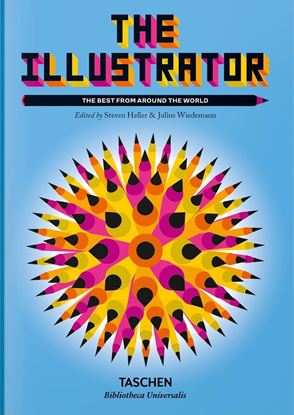
THE ILLUSTRATOR- ING.- BIB. UNIVERSALIS
For the last couple of years, Steven Heller and Julius Wiedemann have traced the latest developments in illustration around the globe—and for all those who thought digital heralded the end of an era, they’re here to set the record straight.
There were extraordinary eras before mass media changed our viewing habits, back in the day when illustration was the primary means of illuminating the word on paper—all the way to today, when we get our words and images on screens as small as a watch face. In this environment, today’s designers and artists are holding their own brilliantly. Illustration is more free and varied than ever, and it is ubiquitous in all kinds of media, from paper to screen to books, packages, clothing, cars, and restaurants.
1,600
2,995
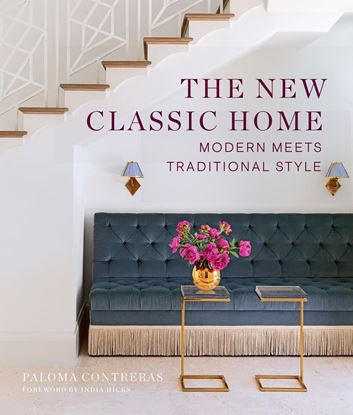
THE NEW CLASSIC HOME MODERN MEETS
In The New Classic Home, beloved designer Paloma Contreras focuses her sought-after expertise on one of the most desired yet difficult tasks in decorating: how to design a space that successfully mixes traditional and modern elements. How does one bridge the gap between such different concepts? By walking readers through her four main techniques—color, texture & pattern, scale & proportion, and tension—Contreras demonstrates how to successfully pair seemingly disparate pieces from different eras and styles to create harmonious, timeless, and balanced interiors.
With spectacular color photography and personalized design tips, The New Classic Home divulges how to blend vintage pieces into even the most contemporary settings, highlight favorite elements of any architectural style, freshen classic silhouettes, and create layered, interesting spaces that always include an element of modern surprise with a touch of elegant antiquity.
2,995
1,500
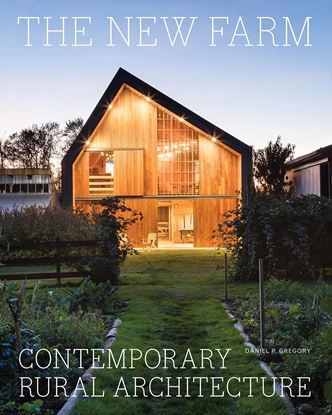
THE NEW FARM
Recent generations of farmers have reinvented the family farm and its traditions, embracing organic practices and sustainability and, along with them, a bold new use of modern architecture. The New Farm profiles sixteen contemporary farms around the globe, accompanied by plans and colorful images that highlight the connections among family, food, design, terrain, and heritage.
1,500

1,650
THE PACKAGE DESIGN BOOK, VOL. 2 (BU)
The field of package design never ceases to expand and innovate, making it one of the most vibrant, competitive, and fast-evolving areas in design today. It is influenced by various factors such as the consumer’s requirements, the ever-increasing marketing demands, evolving environmental policies, and the practice of adhering to the context of cultural aspects and diversity.
1,650
3,500
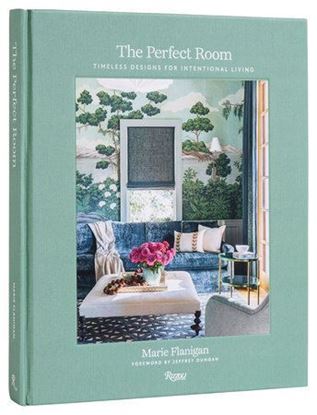
THE PERFECT ROOM
Flanigan looks at the home on a room-by-room basis, identifying common design challenges, offering solutions on how to create rooms that are aesthetically pleasing and efficient. With examples chosen from her work, she shares seasoned wisdom and creative approaches to every decision ranging from building materials and architectural details to furnishings, color, textiles, accessories, and organization.
3,500