
3,500
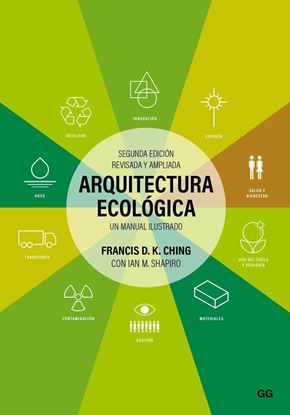
ARQUITECTURA ECOLOGICA. UN MANUAL
El libro propone un recorrido del exterior al interior: comienza por el emplazamiento y su entorno, sigue por las diversas envolventes del edificio y termina con el análisis de los aspectos ambientales de la iluminación, la calefacción y los sistemas de climatización. Un recorrido donde se exploran distintos temas transversales, como el ahorro de agua o materiales, la calidad ambiental interior o el uso de energías renovables. El conjunto ofrece una exploración completa y metódica de la arquitectura ecológica exponiendo los temas clave, un marco teórico básico y estrategias concretas para proyectar bajo el paradigma de la sostenibilidad.
Las ilustraciones que detallan estos principios y discusiones, realizadas por el maestro Francis D. K. Ching, conforman una magnífica guía visual para el proyecto y la construcción de edificios ecológicos, y hacen de este libro un manual único e ineludible en el ámbito de la arquitectura y la construcción sostenibles.
3,500
3,500
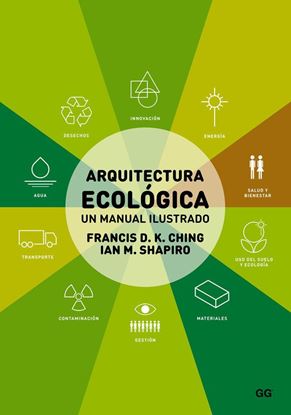
ARQUITECTURA ECOLOGICA. UN MANUAL ILUST.
Siguiendo la estela de algunos títulos ya clásicos de Francis D. K. Ching, como Manual de dibujo arquitectónico y Arquitectura. Forma, espacio y orden, este nuevo libro, escrito en colaboración con Ian M. Shapiro, expone en forma de manual básico ilustrado, práctico y accesible, las cuestiones fundamentales de la arquitectura ecológica y sostenible. El libro propone un recorrido del exterior al interior: comienza por el emplazamiento y su entorno, sigue por las diversas envolventes del edificio, y termina con el análisis de los aspectos ambientales de la iluminación, la calefacción o los sistemas de climatización. Un recorrido donde se exploran distintos temas transversales, como el ahorro de agua o materiales, la calidad ambiental interior o el uso de energías renovables. El conjunto ofrece una exploración completa y metódica de la arquitectura ecológica exponiendo los temas clave, un marco teórico básico y estrategias concretas para proyectar bajo el paradigma de la sostenibilidad. Las ilustraciones que detallan estos principios y discusiones, realizadas por el maestro Francis D. K. Ching, conforman una magnífica guía visual para el proyecto y la construcción de edificios ecológicos, y hacen de este libro un manual único que pronto será referencia ineludible en el ámbito de la arquitectura y la construcción sostenibles.
3,500
2,995
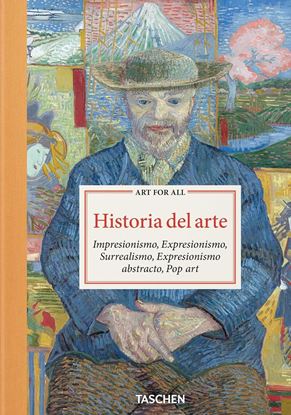
ART FOR ALL. HISTORIA DEL ARTE
A comprehensive volume covering five seminal genres that shaped art, from the late 19th century and well into the 20th: Impressionism, Expressionism, Surrealism, Abstract Expressionism and Pop Art. Each approach was distinct in aesthetic and philosophy, but all had immediate impact and enduring influence. Many great names were indelibly associated with one, some explored several during their careers.
Impressionism, led by Monet and Renoir, focused on light and color, capturing fleeting moments and challenging academic art's rigidity. Expressionism was driven by artists like Edvard Munch and Wassily Kandinsky to convey raw emotion, distorting reality to reflect the angst of human experience. Surrealists, like Salvador Dalí and René Magritte, explored the subconscious, dreams, and the irrational, blending reality with fantasy across art, literature, and film. With Jackson Pollock and Mark Rothko leading the charge, Abstract Expressionism emphasized spontaneity and emotion through bold, gestural brushstrokes, and established New York as the post-war art world’s new Mecca.
2,995
2,700
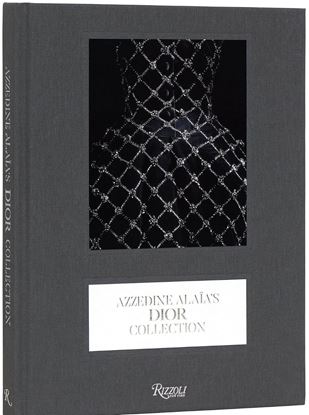
AZZEDINE ALAIA S DIOR COLLECTION
Alaïa was not only a renowned couturier but also a passionate fashion historian and an insatiable collector, an interest he cultivated starting in the 1960s. He gathered over 20,000 garments in his lifetime, from the birth of haute couture to pieces by contemporaries he admired.
This book showcases for the first time the priceless personal collection of Dior designs that Alaïa assembled over decades—pieces by Christian Dior as well as the artistic directors that followed him at the helm of the House. The collection is analyzed through chapters dedicated to the elements that awakened the curiosity of Alaïa’s collector genius: the construction of the dresses—their “architecture”; the enchanting multitude of the color tones and textures of the fabrics and materials; and the poetry of the names of Dior’s creations revealing the diversity of his sources of inspiration, such as Accacias, Astarté, Caracas, Chérie, Jardin anglais, Madrid, Marcel Pagnol, Rose des vents, or Tourbillon.. Illustrated by beautiful photographs of the dresses, historical archival images, drawings by Christian Dior, and collection charts detailing fabric samples and sketches, this book offers a fresh view of Alaïa’s influences and Dior’s history and will appeal to fashion lovers everywhere.
2,700
3,995
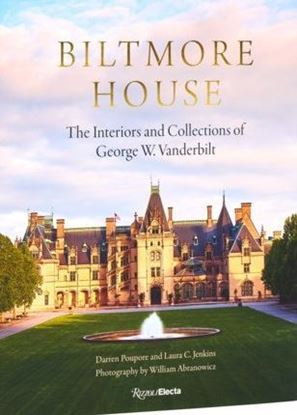
BILTMORE HOUSE. THE INTERIORS AND COLLEC
George W. Vanderbilt created one of the greatest self-sustaining American country estates of the late nineteenth century—at its center, Richard Morris Hunt’s splendid 250-room French Renaissance château. Beyond the acres of gardens designed by Frederick Law Olmsted and the imposing castle exterior lies one of the most notable private collections of fine and decorative art in the nation. Discover the wealth of treasures assembled in the historic rooms: paintings by Monet, Renoir, Sargent, and Whistler; Renaissance tapestries; rare books; and exquisite French and English furniture.
3,995
2,700
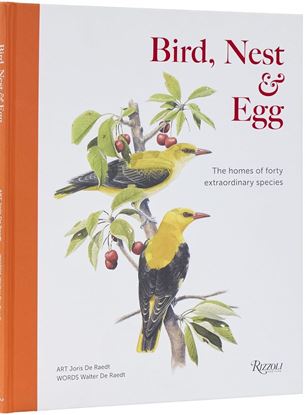
BIRD, NEST Y EGG. THE HOMES OF FORTY EXT
This book is meticulously designed as a large-format visual portfolio of the world’s most distinctive birds, whose nesting behavior and natural beauty are celebrated in beautifully detailed graphite and watercolor illustrations—all based on actual field studies. The exquisitely detailed bird, nest, and egg portraits are framed by details that include building techniques, materials, egg characteristics (shapes, colors, and number in a clutch), hatchlings and chicks, and parenting behaviors.
2,700