850
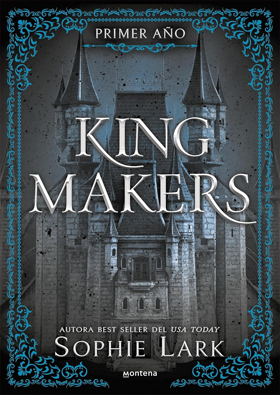
CHANEL
En una época en la que la moda estaba dominada por hombres, Gabrielle «Coco» Chanel reescribió las convenciones sobre la feminidad a través de creaciones basadas en la simplicidad, la practicidad y una elegancia relajada.
Su legado, de la petite robe noire al icónico Chanel n° 5, se mantiene como un patrimonio fuerte y distintivo, renovado y reinterpretado por el gran Karl Lagerfeld y, posteriormente, por Virginie Viard y Mathieu Blazy, quienes han logrado que la marca siga siendo sinónimo de elegancia y estilo atemporal.
850
3,300
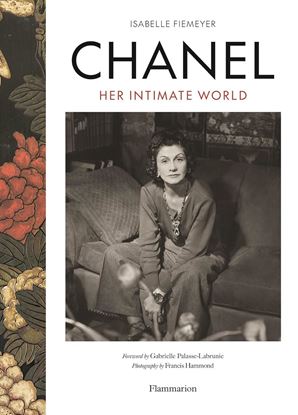
CHANEL: HER INTIMATE WORLD
Chanel expert Isabelle Fiemeyer offers a rare, deeply personal look into the life of the iconic designer Coco Chanel. This biography draws from exclusive interviews with Chanel’s closest family members and extensive archival research to reveal the designer’s most private world—her love for symbolism and poetry, her romantic relationships, and her enduring bond with her nephew, André Palasse, whom she raised as her own son. His daughter, Gabrielle Palasse-Labrunie—Chanel’s goddaughter and only direct descendant—shares intimate memories and access to her great-aunt’s cherished collection of fashion, jewelry, and art.
Divided into five chronological sections, the book immerses readers in Chanel’s life, unveiling rarely seen personal artifacts: gifts from her great love, Boy Capel, as well as her furniture, favorite jewelry, talismans, garments, family photos, and correspondence. This new text expands upon Fiemeyer’s research from her previous books on the designer and includes the compelling chapter “Alias Coco,” which explores newly uncovered documents from French Secret Service archives, shedding light on Chanel’s clandestine activities during World War II and her connections to the Resistance.
3,300
1,995
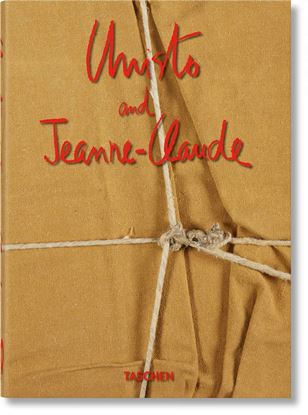
CHRISTO & JEANNE-CLAUDE (405TH) (INT)
The works of Christo and Jeanne-Claude are monuments of transience. Gigantic in scale, they are always temporary, created to exist only for a limited time and to leave unique, unrepeatable impressions. “From the smallest of the Packages made in Paris in the early 1960s, to the delicate pattern of hundreds of branches embraced by a translucent fabric veil... in Christo and Jeanne-Claude’s works there is nothing abstract, nothing imagined; it is all there―corporeal and tangible.” (Lorenza Giovanelli)
1,995
1,995
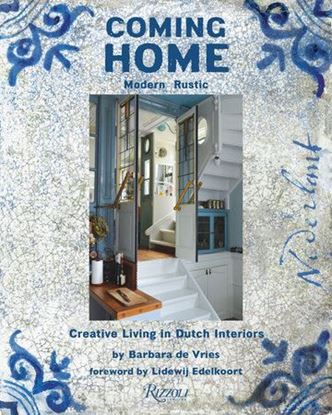
COMING HOME
A celebration of the innovative, artisanal, and sustainable living exemplified by contemporary Dutch interiors.
With a carefully curated collection of interiors, including historic canal houses, restored farms, and green homes, belonging to interior designers, product designers, architects, and artists, this book showcases creative and resourceful living. These properties have been created or renovated and brought into the twenty-first century with typical Dutch style and sensibility—environmentally friendly, imaginative uses of space filled with color and charm and never to be taken too seriously.
1,995
2,200
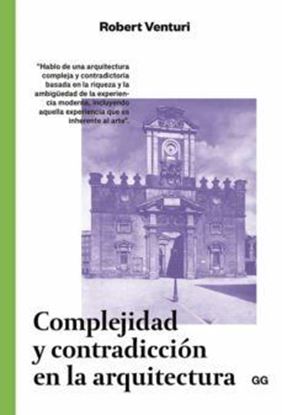
COMPLEJIDAD Y CONTRADICCION EN ARQUITECT
Aparecido por primera vez en 1966, Complejidad y contradicción en la arquitectura es uno de los textos de teoría de la arquitectura más importantes de la segunda mitad del siglo XX y uno de los primeros en cuestionar de una forma global y contundente las ideas y los preceptos del movimiento moderno. A partir del estudio y de la evidencia de cientos de obras de la historia de la arquitectura, en este implacable alegato Venturi desmitificó algunos de los presupuestos asumidos por la arquitectura moderna al poner en tela de juicio ciertas nociones del racionalismo ?como la simplificación, la coherencia o la tabla rasa respecto a la tradición? e introducir otros conceptos, hasta entonces insólitos, como la complejidad y la contradicción.
2,200
4,995
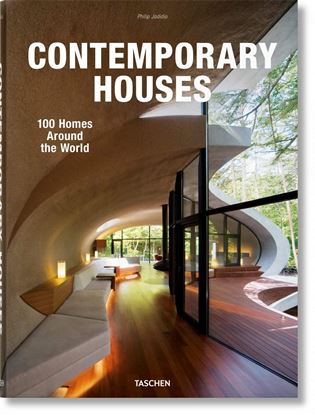
CONTEMPORARY HOUSES. 100 HOMES (FP)(INT)
Designing private residences has its own very special challenges and nuances for the architect. The scale may be more modest than public projects, the technical fittings less complex than an industrial site, but the preferences, requirements, and vision of particular personalities becomes priority. The delicate task is to translate all the emotive associations and practical requirements of “home” into a workable, constructed reality.
This publication rounds up 100 of the world’s most interesting and pioneering homes designed in the past two decades, featuring a host of talents both new and established, including John Pawson,Shigeru Ban, Tadao Ando, Zaha Hadid, Herzog & de Meuron, Daniel Libeskind, Alvaro Siza, and Peter Zumthor. Accommodating daily routines of eating, sleeping, and shelter, as well as offering the space for personal experience and relationships, this is architecture at its most elementary and its most intimate.
4,995