6,800
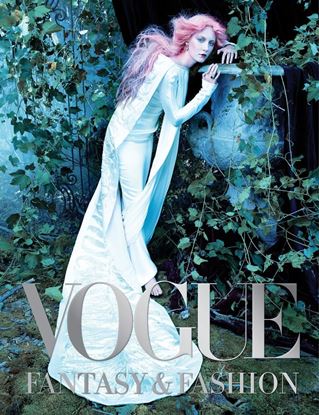
VOGUE: FANTASY & FASHION
Lavishly illustrated, this gift-ready coffee table book celebrates the magazine’s strong and deeply rooted tradition of storytelling through magical, narrative portfolios.
Fashion’s greatest power is its ability to make people dream; to create new worlds. Whether falling down a rabbit hole, conquering new digital frontiers, or exploring the limits of surrealism, the heroines who feature in photographs by great talents like Annie Leibovitz, Steven Meisel, Irving Penn, and Steven Klein are writing their own tales, defining their own destinies.
Featuring well-known images as well as unexpected gems from the archive, Vogue: Fantasy & Fashion documents fashion at its most magical and affirms its transformative power.
Immerse yourself in the enchanting world of Vogue: Fantasy & Fashion, where every page is a testament to the transformative power of fashion and its ability to inspire dreams.
6,800
2,700
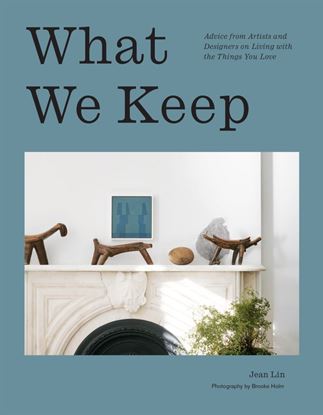
WHAT WE KEEP ADVICE FROM ARTISTS
Learn the refined art of display and get an insider’s education in collecting from gallerist Jean Lin. Follow in her footsteps and tour the unique and beautiful homes of more than a dozen dedicated collectors.
Whether you're starting a new collection or wish to display an existing one, each chapter offers inventive ideas for styling and displaying favorite objects, along with a primer on materials, studio visits with ceramicists, textile artists, and woodworkers, and wisdom from some of today’s most fascinating artists and makers.
2,700
2,995
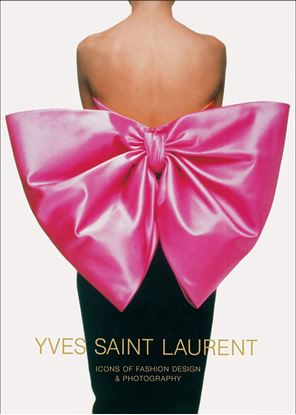
YVES SAINT LAURENT
This indispensable coffee table book traces the success of Saint Laurent's haute couture and ready-to-wear designs from 1962 to 1988 through the lens of the world’s leading fashion photographers, including Richard Avedon, Helmut Newton, William Klein, and more.
Their lush photographs document Saint Laurent’s groundbreaking designs, as worn by the most beautiful women of the ’60s, ’70s, and ’80s, including Audrey Hepburn, Twiggy, Jean Shrimpton, Mounia, and Veruschka.
With an introduction by writer and filmmaker Marguerite Duras, this classic volume documents Saint Laurent’s ever-evolving artistry and the combined efforts of the world’s most talented fashion photographers―and is as beautiful and rewarding as one of Saint Laurent’s creations.
2,995
3,500
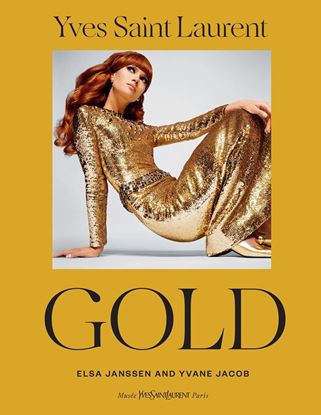
YVES SAINT LAURENT: GOLD
This stunning book presents the couture, jewelry, and accessories inspired by the golds of Yves Saint Laurent from the 1960s to the 2000s.
Gold has been featured heavily throughout the entirety of the designer’s work: from the very first buttons adorning his pea coats to dresses that appear entirely fashioned from gold, no collection escaped the couturier’s “golden” touch. “I love gold," Saint Laurent said. "It’s a magical color; when reflecting a woman, it’s the color of the sun.”
As the official catalogue of the Gold, les ors d’Yves Saint Laurent exhibition in Paris, this keepsake volume presents Saint Laurent’s exquisite designs as we follow the thread of gold throughout his collections, offering special insight into the work and intricate techniques used to make the brocades, laces, lamés, leathers, and embroideries of YSL shine.
3,500

6,500
1,995
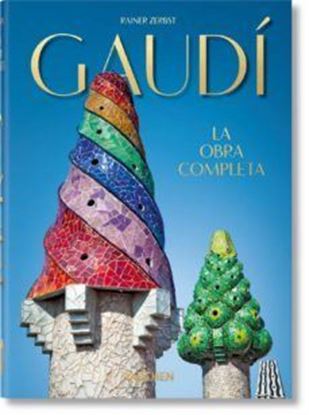
GAUDI. LA OBRA COMPLETA (45TH) (E)
Antoni Gaudí fusionó orientalismo, formas naturales y materiales nuevos en una estética modernista única que colocó a Barcelona en el mapa global de la arquitectura. A través de nuevas fotografías, planos y dibujos realizados por el propio Gaudí, así como un extenso apéndice de todas sus obras que incluye mobiliario y proyectos inacabados, este...
La vida de Antoni Gaudí (1852-1926) fue compleja y contradictoria. En su juventud se unió al movimiento nacionalista catalán y fue crítico con la Iglesia; hacia el final de su vida se dedicó por completo a la construcción de un espectacular templo: la Sagrada Familia. De joven, Gaudí llevaba una vida social glamurosa digna de un dandi. En el momento de su muerte, atropellado por un tranvía en las calles de Barcelona, iba tan mal vestido que los transeúntes creyeron que se trataba de un vagabundo.
La incomparable arquitectura de Gaudí es una muestra de la complejidad de sus múltiples facetas. De las brillantes superficies y las formas orgánicas de la Casa Batlló a la matriz hispanoárabe de la Casa Vicens, su estilo modernista único muestra influencias del orientalismo, las formas naturales, los nuevos materiales y la fe religiosa. Aún hoy, su estética es reconocida en todo el mundo.
1,995