
1,995
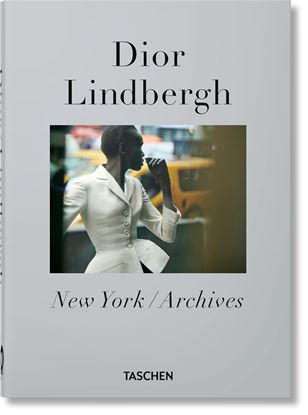
DIOR LINDBERGH (45TH) (INT)
Peter Lindbergh photographed Dior’s most exceptional muses, Marion Cotillard and Charlize Theron among them, and signed campaigns for Lady Dior and J'Adore with his inimitable style. Throughout his career, the photographer was one of the house’s closest collaborators. This final book was an original cocreation that was close to the artist’s heart―and to ours.
1,995
1,995
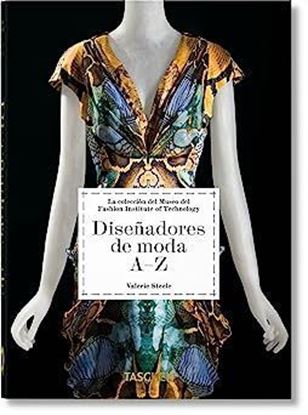
DISEÑADORES DE MODA A-Z (45TH) (E)
De Azzedine Alaa, Cristóbal Balenciaga o Coco Chanel a Alexander McQueen, Yves Saint Laurent o Vivienne Westwood, los grandes creadores de moda del último siglo, aquellos que conforman la colección permanente del Museo del Fashion Institute of Technology de Nueva York, reciben su particular homenaje en esta nueva edición de Fashion Designers A–Z.
En la introducción, Valerie Steele, la directora y conservadora principal, escribe sobre el auge del museo de la moda y la aparición de la exposición de prendas como un fenómeno popular y polemico. Suzy Menkes, toda una autoridad internacional de la moda, contribuye con un prefacio, los textos de los conservadores del museo repasan la historia de cada firma y prenda incluida, y retratos dibujados por el artista Robert Nippoldt rinden homenaje a sus creadores.
1,995
1,700
DISEÑO DE PROCESOS CREATIVOS
Trabajar en equipo es algo enormemente gratificante, pero también enormemente complejo. Tras muchos años de experiencia en la facilitación de procesos de creación en grupo, el autor ha sintetizado en este libro una eficaz metodología que sirve de guía para evitar los habituales puntos ciegos, errores, desequilibrios y amenazas que pueden obstruir el proceso y bloquear al equipo.
¿Qué debemos saber para co-crear con eficacia y disfrute? ¿Qué figuras o fases de ideación en equipo se dan en un proyecto? ¿Cómo evitar problemas habituales como las actitudes muy críticas, el recelo hacia las nuevas ideas, el conformismo o la falta de motivación del equipo?
1,700
1,250
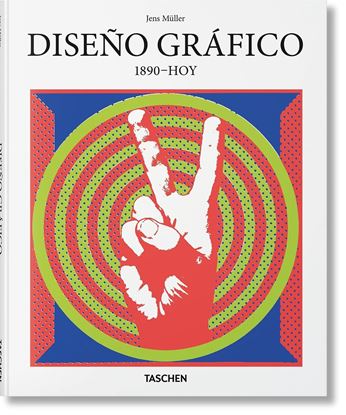
DISEÑO GRAFICO. 1890-HOY
A través de los turbulentos acontecimientos del último siglo y medio, el diseño gráfico ha destilado el espíritu de cada época con su síntesis vívida y ordenada de imagen e idea. Nos rodea en todo momento, ya sea en forma de embalajes minimalistas o de anuncios llenos de colorido, gráfica ambiental e interfaces elegantes: el diseño gráfico guarda relación tanto con el reflejo de las aspiraciones y los valores de la sociedad como con la transmisión de información.
Este vibrante compendio, que se publica ahora como parte de nuestra popular serie Basic Art, describe la evolución del diseño gráfico desde sus inicios en la década de 1890 hasta la actualidad. Con su amplio conocimiento de la disciplina, Jens Müller ha seleccionado cientos de ejemplos de todo el mundo, que se presentan organizados por décadas.
1,250

2,200
DISEÑO. LA HISTORIA VISUAL DEFINITIVA
Con más de 1200 imágenes, este libro es una mirada excepcional a los principales movimientos, mostrando cómo comenzaron y explicando su filosofía y estilo, desde 1850 hasta la actualidad.
Organizado cronológicamente, este libro rastrea la evolución del diseño, desde sus orígenes hasta la actualidad, desde las primeras sillas, cerámica y accesorios para el hogar hasta automóviles, diseño gráfico y artículos de diseño.
Descubre a todos los diseñadores, fabricantes y objetos clave, conoce cómo y por qué surgieron y se hicieron populares.
2,200
2,200
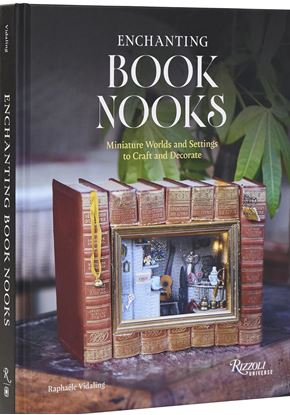
ENCHANTING BOOK NOOKS
Book nooks—miniature dioramas of charming spaces designed for display as a bookshelf insert or as a bookend for a book collection—have taken social media by storm. They have been widely embraced with great enthusiasm in the world of crafting and creative hobbies as they blend a love of coziness, a celebration of storytelling, and an interest in decor.
Fun to make and to collect, these miniature worlds are endearing and contemplative, drawing inspiration from scale modeling to create imagined universes, settings, and characters inspired by daily life, nature, favorite books, or movies. This volume blends how-to advice with inspirational imagery showcasing twenty approachable, easy-to-do, small-scale projects full of charm and enchantment.
2,200