


1,250
DISEÑO GRAFICO. 1890-HOY
A través de los turbulentos acontecimientos del último siglo y medio, el diseño gráfico ha destilado el espíritu de cada época con su síntesis vívida y ordenada de imagen e idea. Nos rodea en todo momento, ya sea en forma de embalajes minimalistas o de anuncios llenos de colorido, gráfica ambiental e interfaces elegantes: el diseño gráfico guarda relación tanto con el reflejo de las aspiraciones y los valores de la sociedad como con la transmisión de información.
Este vibrante compendio, que se publica ahora como parte de nuestra popular serie Basic Art, describe la evolución del diseño gráfico desde sus inicios en la década de 1890 hasta la actualidad. Con su amplio conocimiento de la disciplina, Jens Müller ha seleccionado cientos de ejemplos de todo el mundo, que se presentan organizados por décadas.
1,250

2,200
DISEÑO. LA HISTORIA VISUAL DEFINITIVA
Con más de 1200 imágenes, este libro es una mirada excepcional a los principales movimientos, mostrando cómo comenzaron y explicando su filosofía y estilo, desde 1850 hasta la actualidad.
Organizado cronológicamente, este libro rastrea la evolución del diseño, desde sus orígenes hasta la actualidad, desde las primeras sillas, cerámica y accesorios para el hogar hasta automóviles, diseño gráfico y artículos de diseño.
Descubre a todos los diseñadores, fabricantes y objetos clave, conoce cómo y por qué surgieron y se hicieron populares.
2,200

2,500
EL LIBRO DE LA ARQUITECTURA
Desde la arquitectura antigua y clásica hasta los edificios medievales, góticos y renacentistas, la explosión del barroco y el rococó y la "batalla de los estilos" del siglo XIX, hasta el surgimiento del modernismo, el posmodernismo y los brillantes rascacielos de los siglos XX y XXl libro traza la evolución de la construcción. Utilizando impresionantes infografías y mapas mentales, muestra cómo los arquitectos a lo largo de la historia han traspasado los límites y creado edificios innovadores. Se extraen ejemplos de movimientos y estilos arquitectónicos de todo el mundo. Los edificios célebres de Europa y América del Norte y del Sur se presentan junto con ejemplos clave de China, Japón e India, e impresionantes estructuras religiosas, desde mezquitas hasta iglesias, y desde estupas hasta pagodas y templos.
2,500

2,500
EL LIBRO DEL DISEÑO
Una visión fascinante de los movimientos del diseño, que muestra cómo comenzó cada uno y describe su filosofía y estilo visual. El diseño está presente en todo lo que hacemos y fabricamos. Ha dado forma a nuestro mundo desde tiempos inmemorialesy sigue haciéndolo. El diseño es algo complejo: se cruza con el arte,la arquitectura, la publicidad y la artesanía, pero conserva su propiaintegridad. Es, en esencia, lo que da forma y encanto a los objetos funcionalesy un tono a la forma en que nos expresamos como individuos o empresas.
2,500
2,200
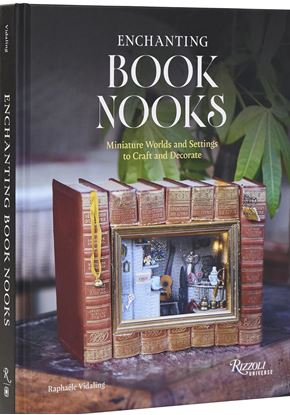
ENCHANTING BOOK NOOKS
Book nooks—miniature dioramas of charming spaces designed for display as a bookshelf insert or as a bookend for a book collection—have taken social media by storm. They have been widely embraced with great enthusiasm in the world of crafting and creative hobbies as they blend a love of coziness, a celebration of storytelling, and an interest in decor.
Fun to make and to collect, these miniature worlds are endearing and contemplative, drawing inspiration from scale modeling to create imagined universes, settings, and characters inspired by daily life, nature, favorite books, or movies. This volume blends how-to advice with inspirational imagery showcasing twenty approachable, easy-to-do, small-scale projects full of charm and enchantment.
2,200
3,300
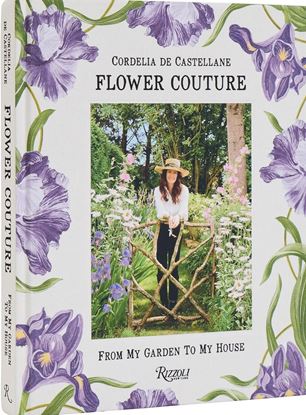
FLOWER COUTURE. FROM MY GARDEN TO MY
De Castellane turns her eyes to the gorgeous garden of her own private residence in the French countryside to offer insight into how she makes nature her muse. From delicate spring blossoms to vibrant summer bouquets starring on sun-kissed tables, autumnal herbariums, and enchanting winter fetes, each chapter is about a color of her favorite flowers and is complete with informative captions and texts uncovering her tips for living and entertaining à la française. De Castellane offers her recipes for bouquets and perfect tablescaping with examples from her own house: readers discover the journey of a flower from the garden to the tabletop. This book is a must-have guide on how to imbue every day with flair, beauty, and joie de vivre.
3,300