
6,800
5,780
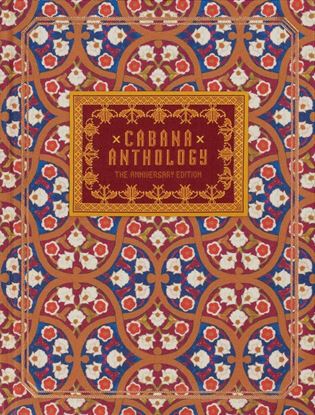
CABANA ANTHOLOGY: THE ANNIVERSARY
Celebrating 10 years of publishing the finest interior design and decorative arts, Cabana Anthology: The Anniversary Edition is a stunning showcase of the most impressive and influential styles featured in the cult interiors magazine in its first decade. This sublime book delves into the stories behind a multitude of stunning interiors, offering insights from the designers, collectors, and artists who have contributed to Cabana’s legacy of true artistry and craftsmanship. Founded by editor-in-chief Martina Mondadori along with designer Christoph Radl and publisher Gianluca Reina in 2014, Cabana aims to inspire a new generation of globetrotters, taking them on a journey through sophistication, obsessive collecting, colors, and fabrics.
This stunning volume features the very best photography, interviews, profiles, and features from the publication, with contributions from Carlos Mota, Marco Mansi, and Marian McEvoy, and photographers Miguel Flores-Vianna, Guido Taroni, Mark Luscombe Whyte, Tim Walker, and Joanna MacLennan, among many others.
6,800
5,780
1,350
1,148
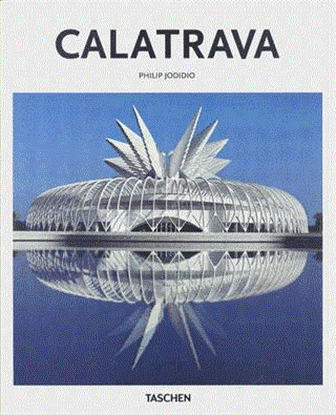
CALATRAVA (BA-ARCH)
Con su trabajo visionario, el valenciano Santiago Calatrava (Benimámet, 1951) ha conseguido el reconocimiento internacional como arquitecto, ingeniero estructural, escultor y artista. Famoso tanto por sus puentes como por sus edificios, en su obra destacan las estructuras de aires neofuturistas, que combinan hábiles soluciones de ingeniería con un impacto visual asombroso. Desde el Complejo Deportivo Olímpico de Atenas 2004 y el reciente Museo del Mañana de Río de Janeiro hasta los puentes de la Paz, en Calgary; del Alamillo, en Sevilla, y de la Mujer, en Buenos Aires, los proyectos de Calatrava inciden especialmente en la relación entre el movimiento y el equilibrio. Con fuentes de inspiración tan diferentes como los diseños espaciales de la NASA o los estudios de anatomía de Leonardo Da Vinci, las obras del arquitecto español fascinan por la sensación de ligereza, agilidad y aerodinamismo que transmiten mientras mantienen una elegante relación con su entorno. Esta monografía concisa explora la singular estética de Calatrava a partir de proyectos clave de su carrera, desde sus primeros éxitos hasta sus creaciones más recientes. A través de edificios dedicados a la cultura, la ciencia o la fe, descubrimos la manera en la que integra las formas orgánicas y los movimientos humanos con una fluidez futurista que mira al mañana.
1,350
1,148
2,200
1,870
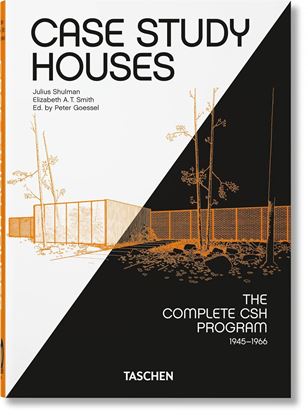
CASE STUDY HOUSES 1945-1966 (45TH) (INT)
The Case Study House program (1945–1966) was an exceptional, innovative event in the history of American architecture and remains to this day unique. The program, which concentrated on the Los Angeles area and oversaw the design of 36 prototype homes, sought to make available plans for modern residences that could be easily and cheaply constructed during the postwar building boom.
The program’s chief motivating force was Arts & Architecture editor John Entenza, a champion of modernism who had all the right connections to attract some of architecture’s greatest talents, such as Richard Neutra, Charles and Ray Eames, and Eero Saarinen. Highly experimental, the program generated houses that were designed to redefine the modern home, and had a pronounced influence on architecture―American and international―both during the program’s existence and even to this day.
TASCHEN brings you a retrospective of the entire program with comprehensive documentation, brilliant photographs from the period and, for the houses still in existence, contemporary photos, as well as extensive floor plans and sketches.
2,200
1,870
999
849
10,500
8,925
3,500
2,975
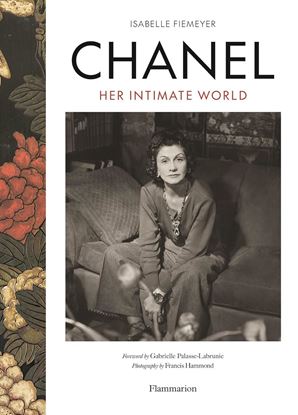
CHANEL: HER INTIMATE WORLD
Chanel expert Isabelle Fiemeyer offers a rare, deeply personal look into the life of the iconic designer Coco Chanel. This biography draws from exclusive interviews with Chanel’s closest family members and extensive archival research to reveal the designer’s most private world—her love for symbolism and poetry, her romantic relationships, and her enduring bond with her nephew, André Palasse, whom she raised as her own son. His daughter, Gabrielle Palasse-Labrunie—Chanel’s goddaughter and only direct descendant—shares intimate memories and access to her great-aunt’s cherished collection of fashion, jewelry, and art.
Divided into five chronological sections, the book immerses readers in Chanel’s life, unveiling rarely seen personal artifacts: gifts from her great love, Boy Capel, as well as her furniture, favorite jewelry, talismans, garments, family photos, and correspondence. This new text expands upon Fiemeyer’s research from her previous books on the designer and includes the compelling chapter “Alias Coco,” which explores newly uncovered documents from French Secret Service archives, shedding light on Chanel’s clandestine activities during World War II and her connections to the Resistance.
3,500
2,975