
850
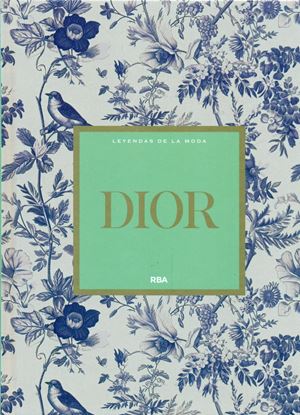
DIOR
Christian Dior fundó la maison que lleva su nombre en 1946, en la Francia de posguerra, E impulsado por la idea de devolver a la moda la elegancia y el poder de seducción que creía perdidos. Su primera colección, que introdujo el icónico New Look, fue revolucionaria y restauró el orgullo de la haute couture francesa. Con los años, y gracias a la labor de sus directores creativos: Yves Saint Laurent, Marc Bohan, Gianfranco Ferré, John Galliano, Raf Simons, Maria Grazia Chiuri y Jonathan W. Anderson, la maison Dior se ha mantenido en lo más alto del panteóndela y - moda y el estilo en todo el mundo.
850
6,500
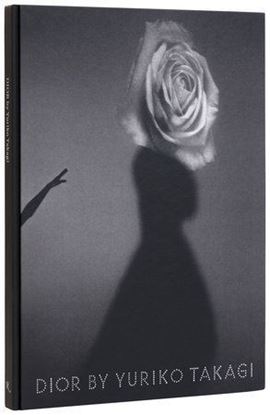
DIOR BY YURIKO TAKAGI
A unique collection of photographs by Yuriko Takagi, showcasing her poetic and surrealist look at Dior haute couture creations.
An important addition to the library of leading artistic photographers working to interpret the fashion house’s oeuvre. Takagi is an icon of Japanese photography, her enchanting and otherworldly images are built with a unique and careful consideration of shadows, the result of a career-long contemplation of natural light—a theme that plays a pivotal role in her work for Dior.
This book features exclusive shootings by Takagi of the most emblematic Dior haute couture designs. Takagi delivers her personal reinterpretation of the essence of Dior, opening a profound dialogue between her artistic conception and the codes of the House. Her photographs capture an ephemeral, intangible quality of the subjects, and her signature technique of layering images, in this case of flowers and architectural motifs over toiles of dresses and models, creates a dreamlike atmosphere. The result is a collection of great poetry, a surrealist promenade through Dior’s eras, and a unique observation of the inventiveness of the House over the decades.
6,500
1,995
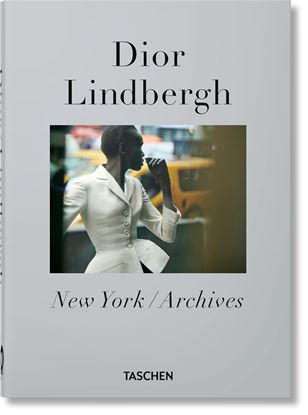
DIOR LINDBERGH (45TH) (INT)
Peter Lindbergh photographed Dior’s most exceptional muses, Marion Cotillard and Charlize Theron among them, and signed campaigns for Lady Dior and J'Adore with his inimitable style. Throughout his career, the photographer was one of the house’s closest collaborators. This final book was an original cocreation that was close to the artist’s heart―and to ours.
1,995
1,995
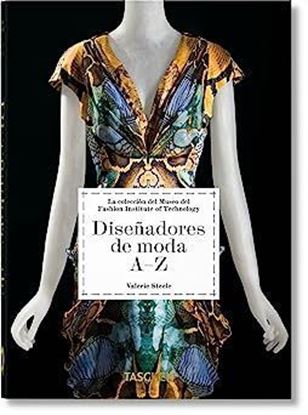
DISEÑADORES DE MODA A-Z (45TH) (E)
De Azzedine Alaa, Cristóbal Balenciaga o Coco Chanel a Alexander McQueen, Yves Saint Laurent o Vivienne Westwood, los grandes creadores de moda del último siglo, aquellos que conforman la colección permanente del Museo del Fashion Institute of Technology de Nueva York, reciben su particular homenaje en esta nueva edición de Fashion Designers A–Z.
En la introducción, Valerie Steele, la directora y conservadora principal, escribe sobre el auge del museo de la moda y la aparición de la exposición de prendas como un fenómeno popular y polemico. Suzy Menkes, toda una autoridad internacional de la moda, contribuye con un prefacio, los textos de los conservadores del museo repasan la historia de cada firma y prenda incluida, y retratos dibujados por el artista Robert Nippoldt rinden homenaje a sus creadores.
1,995
1,700
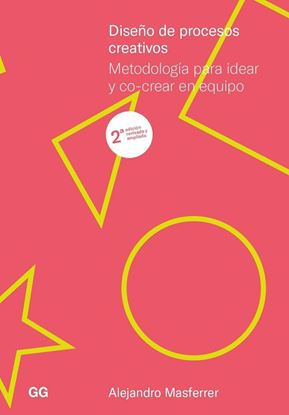
DISEÑO DE PROCESOS CREATIVOS
Trabajar en equipo es algo enormemente gratificante, pero también enormemente complejo. Tras muchos años de experiencia en la facilitación de procesos de creación en grupo, el autor ha sintetizado en este libro una eficaz metodología que sirve de guía para evitar los habituales puntos ciegos, errores, desequilibrios y amenazas que pueden obstruir el proceso y bloquear al equipo.
¿Qué debemos saber para co-crear con eficacia y disfrute? ¿Qué figuras o fases de ideación en equipo se dan en un proyecto? ¿Cómo evitar problemas habituales como las actitudes muy críticas, el recelo hacia las nuevas ideas, el conformismo o la falta de motivación del equipo?
1,700
2,200
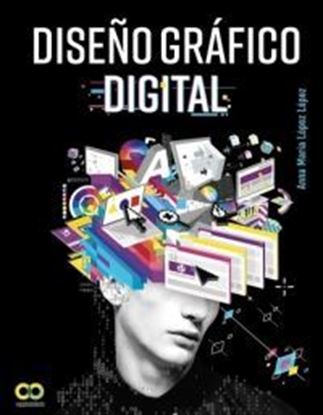
DISEÑO GRAFICO DIGITAL
En la era de la imagen, el perfil de diseñador gráfico se ha convertido en uno de los más demandados entre los profesionales generadores de contenidos digitales.En estos tiempos digitales, el diseñador gráfico debe explorar las posibilidades creativas de cada medio y optimizar la composición gráfica para lograr una mejor comunicación visual.
Aunque la mayoría de los proyectos de diseño gráfico se elaboran con herramientas digitales y programas de diseño, ello no implica necesariamente que estén bien preparados para su correcta difusión en pantallas digitales.A las competencias específicas del diseño gráfico tradicional es preciso añadir la creación de diseños optimizados para su difusión final en los nuevos medios y dispositivos digitales (sitios Web, redes sociales, smartphones, tablets, soportes publicitarios online, canales de marketing, etc.).Este libro aúna los conocimientos básicos de diseño gráfico tradicional con contenidos específicos para diseñar en la nueva era digital, como el uso de tipografía digital, el tratamiento informático del color, las técnicas de vectorización, la optimización de imágenes para la Web, el cálculo de la resolución más adecuada para cada medio, entre otros temas.Incluye, además, numerosos ejemplos a toda página de proyectos profesionales de diseño gráfico digital aplicados, con colaboraciones de renombrados diseñadores y de estudios de diseño gráfico de todo el mundo.
2,200