3,995
THROUGH THE LONG DESERT: G. O'KEEFE
Georgia O’Keeffe and Frank Lloyd Wright were neither competitors nor direct collaborators. Yet these romantic heroes of twentieth-century art and architecture largely operated in parallel. In this seminal book, Rovang weaves together their compelling life stories, examining newly discovered links between them and, in the process, offering a fresh perspective on their work, their intermittent yet poignant friendship, and their closeness to the desert.
Starting in 1933, O’Keeffe and Wright exchanged roughly two dozen letters in which they expressed admiration for one another but also their passion for the places that informed them—many of which they had in common. Both were born in rural Wisconsin and built their careers in Chicago and New York. However, both sought inspiration and fulfillment in places farther afield, including in Japan and the desert landscape of the American Southwest. Juxtaposing images highlighting shared aspects of their individual biographies and work, this unique take on American creative expression explores the nature of artistic friendship and the idea of “home.” Rovang’s text gives rich context to the allure and romance of her visual subject, offering readers new ways to appreciate O’Keeffe’s and Wright’s monumental contributions to American culture.
3,995
2,200
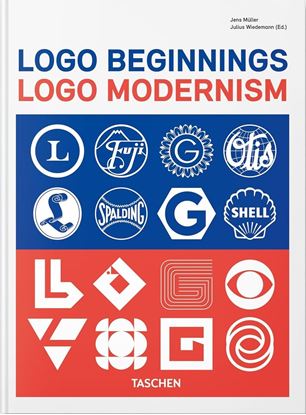
LOGO BEGINNINGS. LOGO MOD. (45TH) (INT)
By the late 19th century, trademarks began to replace traditional emblems, like coats of arms, as identifying symbols for companies. At first, logos tended to be figurative, but over time they morphed into the abstract marks that we see everywhere today. Yet many iconic brands—like Rolex, BMW, Louis Vuitton, and the New York Yankees—still use logos designed 100 years ago.
Bringing together two previous volumes—Logo Beginnings and Logo Modernism—into one compendium, design expert Jens Müller (dubbed “the logo detective” by Wired magazine) has trawled historical trademark archives and design publications to unearth 1000s of logos from as far back as 1870, including many forgotten designs and early versions of today’s brand identifiers.
2,200

4,400
MODERN TREE HOUSES (JU) (GB)
Above the forest floor, a world of wonder awaits. Tree houses have always captured our imaginations—symbols of escapism, endless youthful summers, and a deep-rooted connection to nature. But today, they’ve evolved beyond childhood hideaways into architectural marvels that blend sustainability and cutting-edge design. So, climb up and explore 62 elaborate tree houses from around the world, each with its own fascinating story. With no single blueprint, they take many forms—some are anchored within towering branches, others mimic the shapes of trees, some shelter in the foliage without touching a trunk. But all have the same goal: to bring us closer to nature.
4,400
1,995
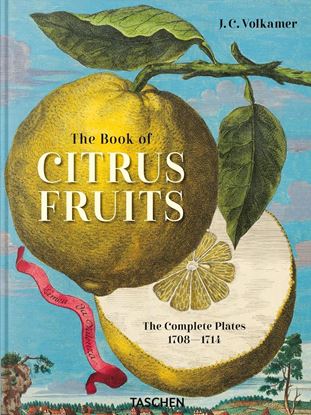
J.C. VOLKAMER. THE BOOK OF CITRUS FRUITS
Have you ever thought of citrus fruits as celestial bodies, angelically suspended in the sky? Perhaps not, but J. C. Volkamer (1644–1720) did―commissioning an extravagant and breathtaking series of large-sized copperplates representing citrons, lemons, and bitter oranges in surreal scenes of majesty and wonder.
Ordering plants by post mostly from Italy, Germany, North Africa, and even the Cape of Good Hope, the Nuremberg merchant Volkamer was a devotee of the fragrant and exotic citrus at a time when such fruits were still largely unknown north of the Alps. His garden came to contain a wide variety of specimens, and he became so obsessed with the fruits that he commissioned a team of copperplate engravers to create 256 plates of 170 varieties of citrus fruits, many depicted life size, published in a two-volume work. The first volume appeared in 1708, with the impressively lengthy title The Nuremberg Hesperides, or: A detailed description of the noble fruits of the citron, lemon and bitter orange; how these may be correctly planted, cared for and propagated in that and neighboring regions.
1,995
6,500
LEONARDO. OBRA PICTORICA COMPLETA (FP) E
Unmatched in his ingenuity, technical prowess, and curiosity, Leonardo da Vinci (1452–1519) epitomizes the humanistic ideal of the Renaissance man: a peerless master of painting, sculpture, cartography, anatomy, architecture – and more. Simultaneously captivating art historians, collectors, and the millions who flock yearly to admire his works, Leonardo’s appeal is as diffuse as were his preoccupations. His images permeate nearly every facet of Western culture – The Vitruvian Man is engraved into millions of Euro coins, The Last Supper is considered the single most reproduced religious painting in history, and the Mona Lisa has entranced countless artists and observers for centuries.
6,500

1,850
HOKUSAI. HIROSHIGE
Grandes viajeros y entusiastas de la naturaleza, Hokusai e Hiroshige revolucionaron el grabado japonés a partir de finales del siglo xviii, llevando el paisajismo a su apogeo. A través de las estaciones, estos artistas y sus sucesores rinden homenaje a una naturaleza deslumbrante y eterna que se encuentra en el corazón del pensamiento y la cultura japoneses, y nos invitan a redescubrir la belleza sencilla del cerezo en flor, a saborear la frescura de una tarde de otoño, a contemplar las primeras nieves inmaculadas, a dejarse sorprender por el ligero vuelo de un pájaro... en suma, a «vivir el momento presente». Inserto en un bonito cofre, este volumen en forma de acordeón, a modo de antiguo libro japonés, reúne una antología de los grabados más famosos de los grandes paisajistas, desde la época de Hokusai hasta la de Hasui, y acompañados por un opúsculo explicativo.
1,850

2,800
BANKSY. OBRAS IMPRESAS
* La guía esencial para coleccionistas, admiradores de Banksy y entusiastas del street art. * Indaga en el significado de las obras icónicas de Banksy con información concisa sobre cada impresión. * Documenta todas las combinaciones de colores conocidas, pruebas de artista y de imprenta, lo que la convierte en una referencia indispensable para los coleccionistas apasionados. Muestra detalles esenciales de un vistazo: ejemplares de cada tirada, dimensiones, tipos de papel, fechas de lanzamiento y ediciones especiales. Esta introducción experta proporciona un valioso contexto histórico-artístico para la obra de este singular artista.
2,800

1,400
FRIDA KAHLO. CARTAS DE AMOR
* Frida Kahlo fue una prolífica y emotiva escritora de cartas. Aunque pasó una buena parte de su vida casada con el también artista Diego Rivera, ambos tuvieron numerosas aventuras y Frida escribió a sus amantes con frecuencia.
* Este libro incluye una selección de cartas de Frida, muchas de ellas reproducidas en facsímil, junto con fotografías y obras de la artista.
* Además de las muestras de correspondencia con su primer amor, Alejandro Gómez Arias, y con su marido, Diego Rivera, se presentan asimismo cartas dirigidas a Nickolas Muray, Georgia O’Keeffe y Josep Bartolí, entre otros.
En conjunto, las misivas crean un retrato íntimo de la vida personal de Frida Kahlo y revelan otra vertiente de su creatividad.
''Desde que me enamoré de ti,
todo se transforma y se llena de belleza.
Quiero regalarte los colores más bonitos,
quiero besarte...''
[A JOSEP BARTOLÍ, 20 DE OCTUBRE DE 1946]
1,400
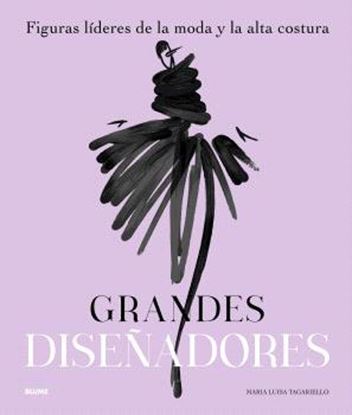
2,500
GRANDES DISEÑADORES
Libro ilustrado que presenta la trayectoria y aportaciones de los diseñadores más influyentes en moda y creatividad contemporánea.
2,500
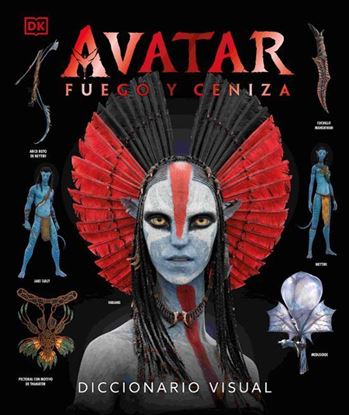
2,200
AVATAR FUEGO Y CENIZA: DICC. VISUAL (DK)
El mundo mágico de Pandora regresa a las pantallas de cine y esa magia se muestra ampliamente en este diccionario visual bellamente ilustrado.
Con gran cantidad de nuevos personajes, de flora y fauna, de información importante sobre la forma de vida, las pertenencias y el entorno, este es un libro totalmente imprescindible tanto para los incondicionales como para los nuevos fans.
2,200