
1,350
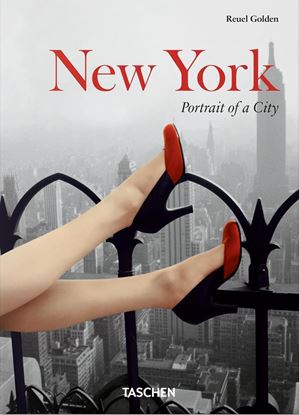
NEW YORK. PORTRAIT OF A CITY (IC) (GB)
From the building of the Brooklyn Bridge to immigrants arriving at Ellis Island, the slums of the Lower East Side to magnificent art deco skyscrapers, New York’s remarkable rise, reinvention, and growth is not just the tale of a city, but the story of a nation. This beautiful book lays out the streets, sidewalks, culture, and crowds of the greatest city in the world—in all the greatness of its extremes, contradictions, energy, and attitude. With vistas of Central Park alongside Coney Island and the sleaze of Times Square, this city portrait champions the complexity and chaos of New York—its architecture, culture, fashion, and ethnic diversity. More than just a tribute to the metropolis and its civic, social, and photographic heritage, New York. Portrait of a City also pays homage to the indomitable spirit of those who call themselves New Yorkers: full of hope and strength, resolute in their determination to succeed among its glass and granite towers.
1,350
1,350
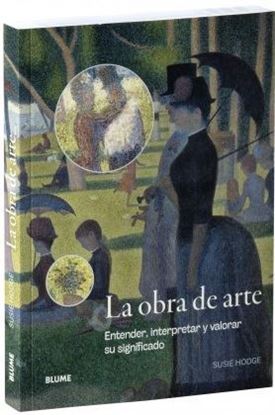
LA OBRA DE ARTE
El arte puede ser tan fascinante como frustrante. Una sola obra puede tener varios significados, y existen muchas formas de entenderla, interpretarla y apreciarla.
Este libro claro y accesible descompone grandes obras de arte en diez elementos sencillos para ayudarle a comprenderlas y apreciarlas mejor.
Además, le permitirá responder a algunas preguntas obvias, pero complicadas: «¿Cómo crea Yayoi Kusama la sensación de infinito en Luces resplandecientes de almas?» o «¿Por qué las capas de pintura de La noche estrellada de Van Gogh son tan gruesas?».
1,350
1,350
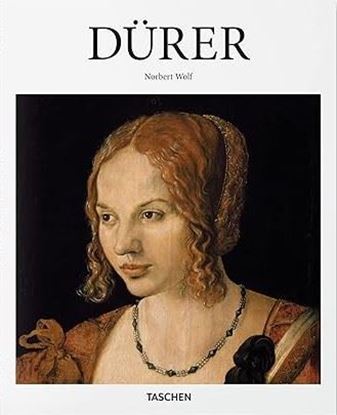
DURER (BA-ART) (GB)
A polymath of the German Renaissance, Albrecht Dürer (1471–1528) was a prolific artist, theorist, and writer whose works explored everything from religion to art theory to philosophy. His vast body of work includes altarpieces, portraits, self-portraits, watercolors, and books, but is most celebrated for its astonishing collection of woodcut prints, which transformed printmaking from an artisan practice into a whole new art form.
1,350
1,350
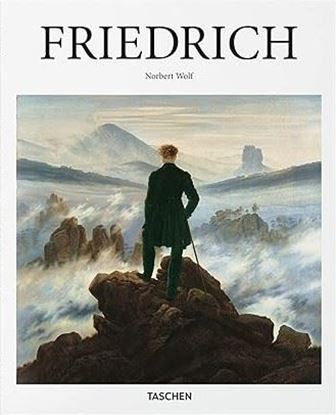
FRIEDRICH (BA-ART) (ES)
La belleza de la naturaleza y la soledad del hombre son temas dominantes en la obra de Caspar David Friedrich (1774-1840). El artista con frecuencia dispone una pequeña figura humana en un amplio paisaje, como en sus famosos lienzos Monje a la orilla del mar y El caminante sobre el mar de nubes. Durante mucho tiempo, la importancia y la influencia de este gran pintor romántico fueron subestimadas. Cuando murió, Friedrich había sido olvidado ya por sus coetáneos y no fue redescubierto hasta principios del siglo xx. Actualmente, se le considera el pintor alemán más importante de su generación y un precursor del expresionismo.
1,350
1,350
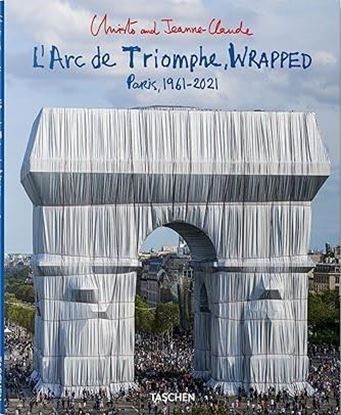
LARC DE TRIOMPHE, WRAPPED (VA) (INT)
1961, three years after meeting Jeanne-Claude in Paris, Christo made a study of a mammoth project that would wrap one of the city’s most emblematic monuments. 60 years, 25,000 square meters of recyclable fabric, and 3,000 meters of rope later, the artists' vision finally came true. Discover their posthumous installation with this book gathering photography, drawings, and a history of the project's making.
Like most of Christo and Jeanne-Claude's work, L'Arc de Triomphe, Wrapped is temporary and runs for 16 days from Saturday, September 18 to Sunday, October 3, 2021. Carried out in close collaboration with the Centre des Monuments Nationaux, the historic structure is wrapped in recyclable polypropylene fabric in silvery blue and recyclable red rope.
1,350
1,350
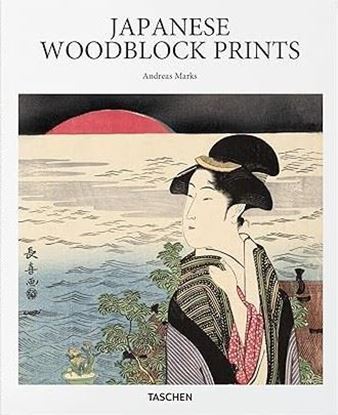
JAPANESE WOODBLOCK PRINTS (BA-ART) (GB)
From Edouard Manet’s portrait of naturalist writer Émile Zola sitting among his Japanese art finds to Van Gogh’s meticulous copies of the Hiroshige prints he devotedly collected, 19th-century pioneers of European modernism made no secret of their love of Japanese art. In all its sensuality, freedom, and effervescence, the woodblock print is single-handedly credited with the wave of japonaiserie that first enthralled France and, later, all of Europe—but often remains misunderstood as an “exotic” artifact that helped inspire Western creativity.
1,350