
1,995
1,496
FIAT PISCES
Cuando se tiene la oprtunidad de asumir un proyecto de larga duración, se puede hurgar en lo mas...
1,995
1,496
1,995
1,496
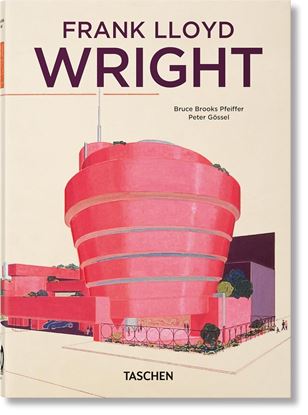
FRANK LLOYD WRIGHT (45TH) (GB)
A building by Frank Lloyd Wright (1867–1959) is at once unmistakably individual and evocative of an entire era. Notable for their exceptional harmony with their environment, as well as for their use of steel and glass to revolutionize the interface of indoor and outdoor, Wright’s designs helped announce the age of modernity, as much as they secured his place in the annals of architectural genius.
1,995
1,496

1,995
1,496
FREDERIC CHAUBIN. STONE AGE (45TH) (INT)
Follow photographer Frédéric Chaubin as he embarks on a unique, century-spanning journey through Europe. Featuring images of more than 200 buildings in 21 countries, Stone Age presents the history and architecture of the most dramatic medieval castles of the continent in an unprecedented collection.
Building on the success of his foray into Soviet design with CCCP, Chaubin once again documents the afterlife of highly rational structures that seem out of place in a modern-day world. Precursors of Brutalism, these castles value function over form and epitomize the raw materials and shapes that would go on to define so much of architectural history.
Shot on film with a Linhof view camera, the collection is the outcome of five years of travel and investigation. Complete with a practical map and explanatory essay, its castles tell the story of 400 years, unfolding through the feudal Middle Ages into the 15th century.
A photographic study of decay as much as endurance, Stone Age traces the history of some of these singular structures that continue to enchant their audiences today and that occupy a distinct, mystical place in our collective imagination.
1,995
1,496
1,250
938
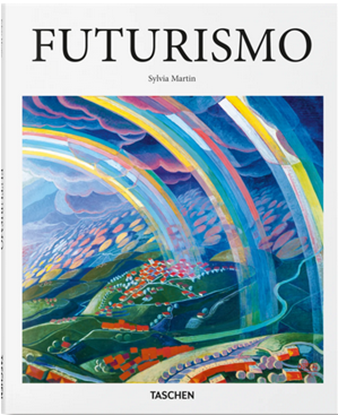
FUTURISMO (BA-ART) (E)
En lienzos rebosantes de luz, color y velocidad, los futuristas crearon uno de los testimonios más vívidos del giro tecnológico del siglo xx. Este libro presenta las figuras clave, influencias y controversias de un movimiento, que defendía el progreso y glorificaba la guerra y, al mismo tiempo, despreciaba la feminidad y socavaba la élite de la academia.
1,250
938
2,200
1,650
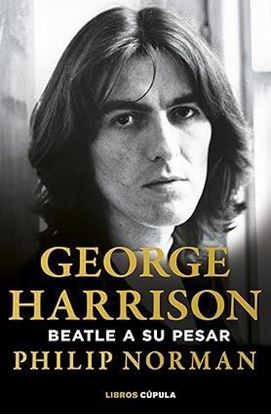
GEORGE HARRISON
Pese a ser aclamado como uno de los mejores guitarristas de su época y de la historia, George Harrison luchó contra sentimientos de inferioridad, especialmente en sus primeras décadas. A menudo era el blanco de las bromas de sus compañeros de banda debido a su origen de clase baja y, por lo general, no se le permitía contribuir más que con una o dos canciones por álbum de las decenas que escribía.
Ahora, el aclamado biógrafo de los Beatles, Philip Norman, examina a Harrison a través de la lente de sus numerosas contradicciones. Comparado con las enormes luminarias compositoras Lennon y McCartney, se le consideraba un talento menor; sin embargo, compuso obras maestras como «While My Guitar Gently Weeps» o «Here Comes the Sun», y su triple álbum de debut en solitario All Things Must Pass consiguió un inmenso éxito, apareciendo en muchas listas de los 100 mejores álbumes de rock de todos los tiempos. Los críticos de música moderna lo sitúan en el panteón de los dioses de la guitarra de los años sesenta, junto a Eric Clapton, Jimi Hendrix, Keith Richards y Jimmy Page.
2,200
1,650
1,995
1,496
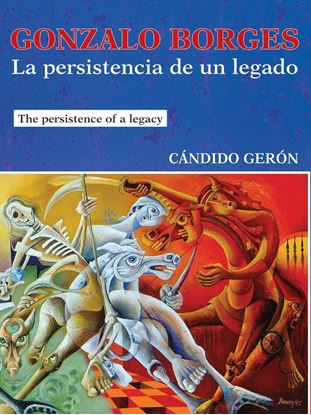
GONZALO BORGES. LA PERSISTENCIA DE UN L.
Libro biográfico de la vida y obra de Gonzalo Borges, realizado por el poeta y escritor Cándido Gerón.
1,995
1,496