
1,995
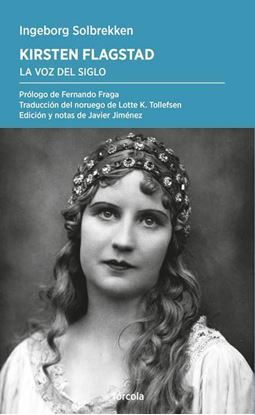
KIRSTEN FLAGSTAFF. LA VOZ DEL SIGLO
Los críticos musicales de la época describieron la voz de la soprano noruega Kirsten Flagstad como la luz del sol que incide sobre la cúspide de una montaña coronada por un glaciar. Jessye Norman la asemejó al oro líquido sobre terciopelo negro, mientras que Elisabeth Schwarzkopf percibió que tenía la dimensión de una madre cósmica que abraza el universo.
1,995
1,250
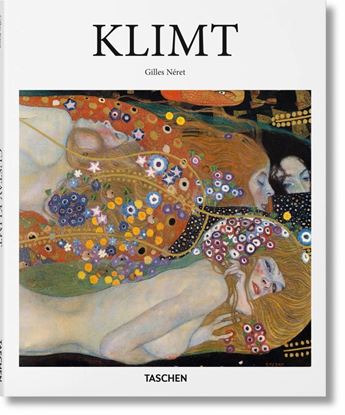
KLIMT (BA-ART)
The unfading popularity of Gustav Klimt (1862–1918) attests not only to the particular appeal of his luxuriant painting but also to the universal themes with which he worked: love, feminine beauty, aging, and death.The son of a goldsmith, Klimt created surfaces of ornate and jewel-like luminosity which show the influence of both Egyptian and Japanese art. Through paintings, murals, and friezes, his work is defined by radiant color, fluid lines, floral elements, and mosaic-like patterning.With subjects ranging from sensuality and desire to anxiety and despair, all this iridescence is also suffused with feeling. Klimt’s numerous images of women, characterized by curvaceous forms, tender flesh, red lips, and flushed cheeks, were particularly charged with passion, at a time when such frank eroticism was still taboo in Viennese upper-middle-class society.This book presents a selection of Klimt’s work, introducing his pictorial world of decoration and desire, as well as his influence on artists to come.
1,250
1,600
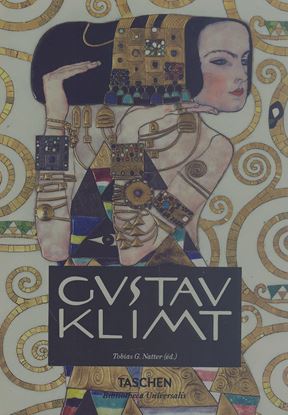
KLIMT (TD) (BU) (E)
Museística de envergadura de Estados Unidos, y marcó un antes y un después en el intento por Internacionalizar a Klimt. De manera paralela, a lo largo de la década de 1960 los estudios sobre la obra y la figura de Klimt adoptaron un nuevo enfoque.
1,600
2,400
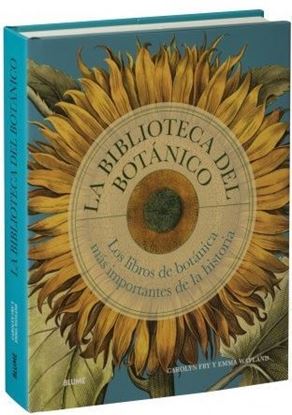
LA BIBLIOTECA DEL BOTANICO
Una obra en la que se dan cita los libros de mayor relevancia histórica sobre la ciencia botánica y su impacto en la civilización.
Con ayuda de hermosas ilustraciones, se narra la evolución de la botánica a través de libros y manuscritos fundamentales y se abordan los cambios de actitudes, enfoques, conocimientos y recursos a lo largo de los siglos.
Partiendo de los antiguos conocimientos botánicos de Egipto, India, Grecia y China, así como el impacto de la ciencia islámica y el Renacimiento europeo, se pasa a examinar los herbarios ilustrados y la repercusión de la imprenta, el sistema de clasificación de Linneo, la «edad de oro» de la botánica en los siglos xviii y xix y su posterior transición a la fitología de vanguardia que se emplea hoy en la educación botánica moderna.
2,400

999

500
LA GRAN VIDA DE LITTLE RICHARD (OF2)
Little Richard abrió el camino para generaciones de músicos: los Beatles, James Brown, los Everly Brothers, Jimi Hendrix, los Rolling Stones, Elton John, Prince…La lista es interminable. Él era «el Origen», «el Innovador» y el autoproclamado «Rey y Reina del rock and roll». Cuando falleció el 9 de mayo de 2020, La gran vida de Little Richard, que estaba casi terminado, se actualizó inmediatamente para cubrir la respuesta internacional a su muerte. Esta es pues la gran biografía de Richard Wayne Penniman de Macon (Georgia, Estados Unidos), quien fue, hasta su fallecimiento, el último dios vivo del rock, el gran Little Richard.
Mark Ribowsky, aclamado biógrafo de íconos musicales, explora la maestría musical de Little Richard, su vida familiar, su lucha contra el racismo, sus relaciones con otros personajes famosos de la época y con los medios de comunicación, y su eterno conflicto interior entre su religión y su sexualidad.
500