
500
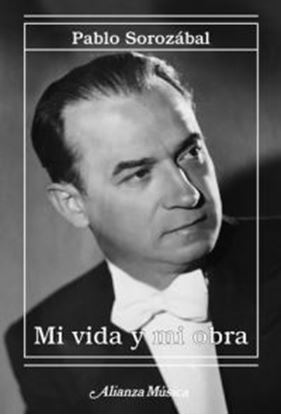
MI VIDA Y MI OBRA (OF2)
Fue Sorozábal el músico más popular en el Madrid de mitad del siglo XX.
Su música tenía gancho, era chispeante, castiza, muy madrileña.
Era además original y moderna en su momento, sin que supusiera una ruptura con esa entrañable y larguísima tradición española de la zarzuela: o sea, tenía eso que hoy se busca en las generaciones nuevas de compositores sin hallarlo nunca.
El arte lírico de Sorozábal no cayó jamás en las ramplonas orquestaciones de otros músicos de zarzuela de su momento, período de franca decadencia artística del género.
Y, por si fuera poco, tenía un agudo sentido teatral en la equilibrada mezcla de elementos cómicos y de carácter, con una fuerte vena lírica, en él tocada de humana cordialidad y nostálgica ternura.
Junto a lo madrileño hay otro polo en la obra de Sorozábal, este más auténtico en su raíz: lo vasco, presente muchas veces en composiciones no teatrales para voz solista o para coro.
500
1,450
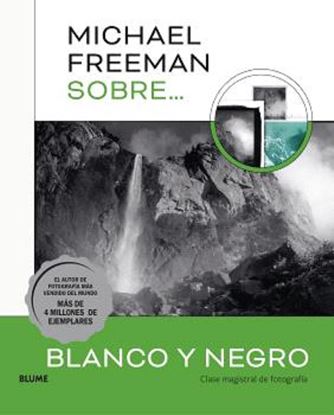
MICHAEL FREEMAN SOBRE BLANCO Y NEGRO
El autor superventas Michael Freeman aporta sus años de experiencia al estudio del estilo más perdurable y lleva la teoría y la práctica de este género clásico a la época moderna. En esta exhaustiva guía sobre la imagen en blanco y negro, Freeman estimula la creatividad personal y explica la práctica fotográfica de un modo comprensible y, por encima de todo, útil y práctico. La fotografía en blanco y negro al día, para informar e inspirar tanto a los puristas como a los nuevos practicantes de este género. La fotografía en blanco y negro no es solo la expresión más pura del proceso de creación de imágenes, sino también un camino esencial hacia una mejor comprensión de los principios fotográficos. Este libro explica cómo visualizar el mundo en blanco y negro mientras se captan imágenes y a desarrollar un instinto para poner en práctica la dinámica de la fotografía en blanco y negro.
1,450
1,600
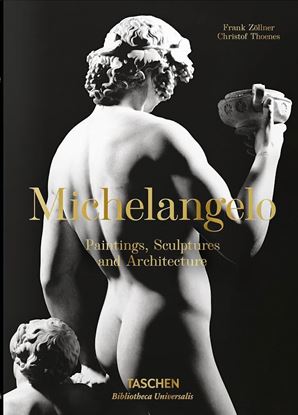
MICHELANGELO. PAINTINGS, SCULPTURES AND
Before reaching the tender age of 30, Michelangelo Buonarroti (1475–1564) had already sculpted Pietà and David, two of the most famous sculptures in the entire history of art. As a sculptor, painter, draftsman, and architect, the achievements of this Italian master are unique—no artist before or after him has ever produced such a vast, multifaceted, and wide-ranging œuvre.
This fresh TASCHEN edition traces Michelangelo’s ascent to the cultural elite of the Renaissance. Ten richly illustrated chapters cover the artist’s paintings, sculptures, and architecture, including a close analysis of the artist’s tour de force frescoes in the Sistine Chapel.Full-page reproductions and enlarged details allow readers to appreciate the finest details in the artist’s repertoire, while the book’s biographical essay considers Michelangelo’s more personal traits and circumstances, such as his solitary nature, his thirst for money and commissions, his immense wealth, and his skill as a property investor.
1,600
1,100
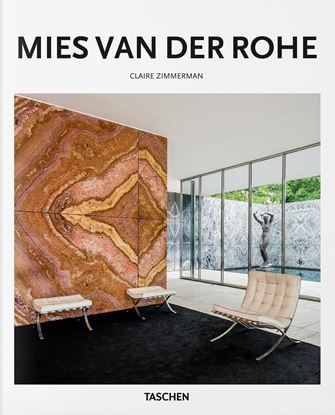
MIES VAN DER ROHE- BASIC ART
Famed for his motto “less is more,” Ludwig Mies van der Rohe (1886–1969) was one of the founding fathers of modern architecture and a hotly-debated tastemaker of twentieth-century aesthetics and urban experience.Mies van der Rohe’s philosophy was one of underlying truth in pure forms and proportions. With the help of contemporary technological and material developments, he sought a stripped-down purity to architecture, showcased by the likes of the Seagram Building and Farnsworth House. Some spoke out against this stark approach as the precursor to bland, generic cityscapes. Others cite Mies van der Rohe as the ultimate master of an abidingly elegant essence.This book presents more than 20 of Mies van der Rohe’s projects from the period 1906–1967 to introduce his groundbreaking practise and influence in both America and Europe.
1,100
950
MILAGRERIA Y ESCALAS DISONANTES
La expresividad y la sensibilidad únicas de Alfred Brendel al piano parecen trasladarse a las páginas del presente libro, en que el gran intérprete ofrece una visión crítica de la práctica pianística, especialmente de algunas composiciones de Beethoven y Schubert, así como un iluminador repaso de sus grabaciones. Siguiendo el hilo invisible que une música, palabras e imágenes, Brendel, lector voraz y de una curiosidad inagotable, pone además la mirada en el cine, y nos ofrece lúcidas observaciones sobre el séptimo arte que revelan su comprensión del mundo y su conocimiento de sí mismo.
950
3,995
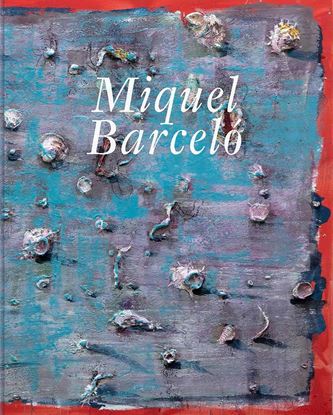
MIQUEL BARCELO
This book highlights the highly creative work of Barceló (b. 1957) with more than a dozen new paintings and a selection of recent ceramic objects. Born in Mallorca, Barceló’s mixed-media paintings, sculptures, and ceramics often feature relief-like textures and expressive forms. His fascination with the natural world has inspired his richly textured canvases that recall the earthly materiality of Catalan painters such as Antoni Tàpies and Joan Miró, as well as compositions that study the effects of light and the ever-changing colors of the sea.
The book includes a selection of new paintings from the corrida series, depicting the circular space of the bullfighting ring in vibrant colors. His ceramic practice includes his distinctive forms molded by hand then painted in vivid colors. Excerpts from Barceló’s recent autobiography, De la vida mía (Of My Life), bring together his notebooks, paintings, photos, stories, and objects from the artist’s various studios.
3,995