
2,995
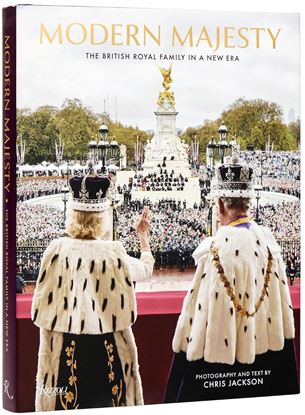
MODERN MAJESTY. THE BRISTISH ROYAL FAMIL
For nearly two decades, Jackson has held a singular position: Getty Images’ most trusted lens on the British monarchy. In Modern Majesty, he offers a compelling and beautifully curated portrait of a royal family reinventing itself in the twenty-first century. From King Charles III’s historic accession and the growing roles of the Prince and Princess of Wales, to poignant family moments and wide-ranging public duties, Jackson captures the intimate and iconic moments that define this new royal era.
Featuring exclusive photographs—many never before published—and compelling behind-the-scenes commentary, Modern Majesty illuminates the balance between tradition and transformation. Whether photographing historic state occasions, tender private gatherings, diplomatic visits, or charity initiatives, Jackson brings warmth, dignity, and insight to every image. His work is the product of more than twenty years embedded within royal life, marked by trust, access, and a rare eye for authenticity.
2,995
1,350
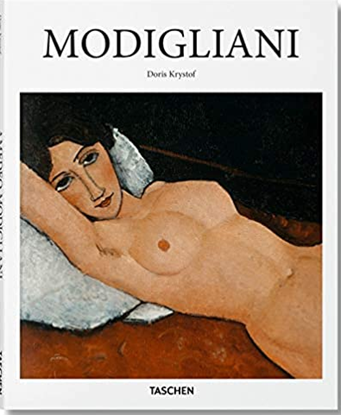
MODIGLIANI (BA-ART) (GB)
In endless odes to the female form, Amedeo Modigliani (1884–1920) traced elongated bodies, almond eyes, and his own name into art history. His languid female subjects are as instantly recognizable as they are startling, sensual, and swan-necked.
Modigliani's unique figuration corresponded to his own personal idea of beauty, but drew upon a rich variety of visual influences, including contemporary Cubism, African carvings, Cambodian sculptures, and 13th-century painting from his native Italy. Although most renowned for his nude females, he applied similar stylistic techniques to portraits of male artistic contemporaries such as Pablo Picasso, Jean Cocteau, and Chaïm Soutine.
With key works from his highly individualistic repertoire, this book introduces Modigliani's brief but revered career at the heart of Paris’s early modernist hotbed.
1,350
3,500
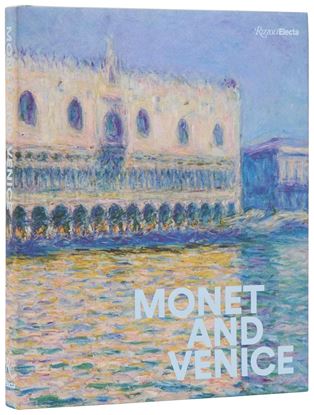
MONET AND VENICE
Monet’s Venice paintings are high points in his lifelong engagement with the interplay of water and light. Monet and Venice—anchored by two masterworks from the collections of Brooklyn and San Francisco, The Doge’s Palace and The Grand Canal, Venice—will be the first exhibition and English-language publication dedicated to this significant suite of paintings since their Parisian debut at the Bernheim-Jeune gallery in 1912.
Monet keenly felt the burden of influence in a city that had so often been depicted and had long been an icon of waning, fragile beauty. Venice was—and is—a place where culture and nature are profoundly and uniquely entangled. Monet’s images of Venice’s buildings and canals dissolved in colorful mist and hazy light may be seen as meditations on human aesthetic interaction with a natural environment built upon for centuries.
3,500
3,995
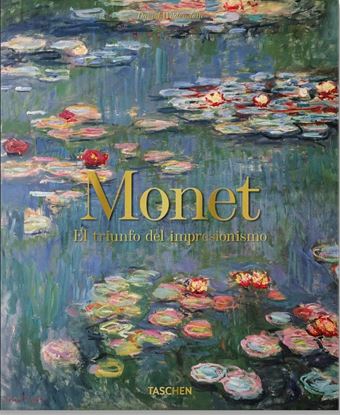
MONET. EL TRIUNFO DEL IMPRESIONISMO(KL)E
Junto con J.M.W. Turner, ningún artista se esforzó más que Claude Monet (1840-1926) en capturar en el lienzo la luz. De todos los impresionistas, fue el hombre del que Cézanne decía "solo un ojo, pero ¡Dios mío, qué ojo!", el hombre que se mantuvo completamente leal al principio de la fidelidad absoluta a la sensación visual, pintando directamente a partir del objeto.
Se podría decir que Monet reinventó las posibilidades del color y que, ya fuera por su temprano interés en los grabados japoneses, su período como recluta bajo la resplandeciente luz de Argelia o su relación personal con los pintores más importantes de fines del siglo XIX, lo que creó Monet durante su larga vida cambió para siempre el modo en que percibimos tanto el mundo como sus fenómenos asociados. El punto culminante de sus exploraciones fue la serie tardía de nenúfares pintada en su propio jardín de Giverny, la cual, en su giro hacia la ausencia casi total de forma, es realmente el origen del arte abstracto.
3,995
995
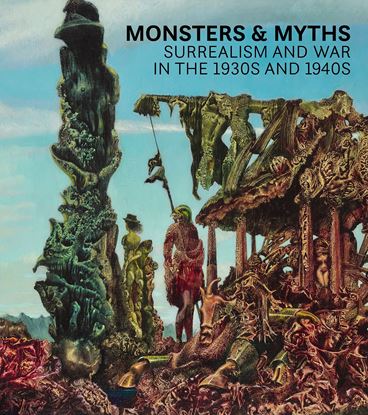
MONSTERS AND MYTHS (OF3)
During the pivotal years between the world wars, Surrealist artists on both sides of the Atlantic responded through their works to the rise of Hitler and the spread of Fascism in Europe, resulting in a period of surprising brilliance and fertility. Monstrosities in the real world bred monsters in paintings and sculpture, on film, and in the pages of journals and artists' books. Despite the political and personal turmoil brought on by the Spanish Civil War and World War II, avant-garde artists in Europe and those who sought refuge in the United States pushed themselves to create some of the most potent and striking images of the Surrealist movement. Trailblazing essays by four experts in the field trace the experimental and international extent of Surrealist art during these years--and, perhaps most unexpectedly of all, its irrepressible beauty.
995

1,700
MOTEROS TRANQUILOS, TOROS SALVAJES
Basado en cientos de entrevistas con los propios directores, pero también con productores, estrellas, agentes, guionistas, ejecutivos de los estudios, esposas y ex esposas, el libro de Peter Biskind narra día a día la epopeya de los jóvenes lobos de Hollywood, la génesis de sus películas y sus luchas contra el establishment.
Moteros tranquilos, toros salvajes es la espléndida crónica de ese viaje alucinante que fue Hollywood en los años setenta, la historia apasionante y verídica de la última gran edad de oro del cine americano, una exaltada celebración de la creatividad y la experimentación, pero también del sexo, las drogas y el rock and roll.
1,700