
1,500
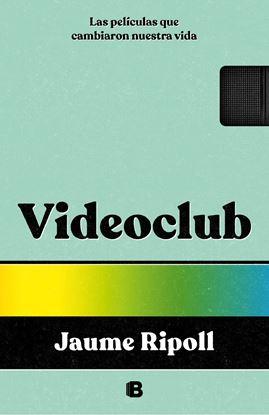
VIDEOCLUB. LAS PELICULAS QUE CAMBIARON
Esta es la historia de un niño con sobrepeso y acné que se despertaba de madrugada para ver películas.
Esta también es la historia del padre de ese niño, propietario de videoclubs, coleccionista de VHS y el hombre que pensaba que la mejor educación para su hijo era el cine.
Esta es la historia de cómo el cine puede cambiar nuestras vidas y hacerlas mejores.
Jaume Ripoll, cofundador de Filmin -una de las plataformas de cine más prestigiosas de los últimos tiempos- nos relata en este libro su historia de amor incondicional con el séptimo arte. De su mano, volveremos a los videoclubs de barrio en un recorrido nostálgico y fascinante lleno de anécdotas y recomendaciones que nos harán (re)descubrir y recuperar las obras imprescindibles que marcaron varias generaciones.
«He hecho un viaje de espectador a distribuidor, del placer al trabajo, y ahora escribo este libro con la esperanza de que restaure parte de la ilusión perdida y permita al lector descubrir y recuperar obras que posiblemente han significado tanto en su vida como lo han hecho en la mía. Al fin y al cabo, el cine es una experiencia solitaria que se disfruta en compañía».
1,500
3,700
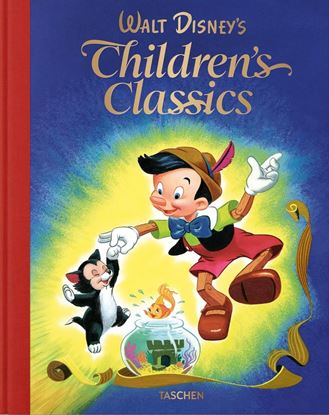
WALT DISNEYS CHILDRENS CLAS. 1937-1953
In Los Angeles during the 1940s and 1950s, Disney artists popularized illustration for children both on the big screen and in the pages of the Golden Books, a series of affordably priced children's books. These stories distilled the visual language of Disney films and brought historic and contemporary tales to life through compelling and inventive works of art. The selection of material in this book by 7 different artists reflects the variety of stylistic approaches that defined animation and illustration at the Disney studio.The book begins with an introduction to the artistic milieu that characterized the Disney studio, and each of the 10 stories is illustrated with complete original art and text. Biographies of the artists featured are included in the appendix. This hardcover anthology of vintage illustration will captivate adults and children alike.
3,700
3,700
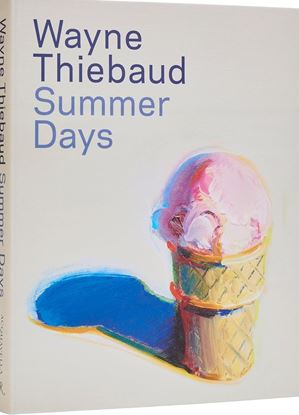
WAYNE THIEBAUD. SUMMER DAYS
This book tracks the career of the artist over six decades, revealing his retained interest in lighthearted subjects while casting them in traditional modes of painting. It celebrates the artist’s regard for the delights of the quintessentially American summer experience, from its sweet ice creams and chilled soda pops to beach games and barbecues, melting a gray winter into a fading memory. The catalogue features paintings from the 1960s through the 2000s of beach scenes, hot dogs, ice creams, beach balls, and bathing suits.
3,700
1,650
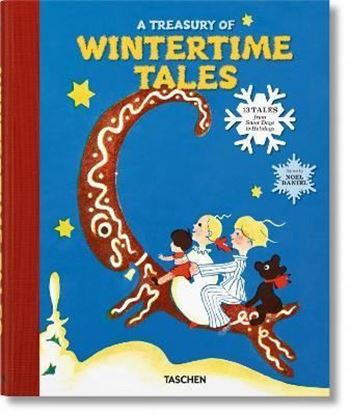
WINTERTIME TALES (VA) (GB)
Despite its chilly weather and barren landscapes, wintertime has inspired some of the most magical and heartwarming stories in history. This season of celebration, frost and snow, religion, tradition, and adventure has produced such holiday classics as Clement Moore’s ’Twas the Night Before Christmas, and such colorful tales as the account of a pre-Christmas Posada parade in Mexico City.
A Treasury of Wintertime Tales pays homage to this rich variety of winter storytelling with 13 tales dating from 1823 to 1972. Featuring authors and illustrators of American, German, Hungarian, Italian, Mexican, Norwegian, Russian, and Swedish descent, it includes stories about playful snowflakes that have come to life, losing one’s mittens, encounters with the Sami people in Northern Scandinavia, celebrating the Chinese New Year, and more.
Each tale has been chosen for its inspiring artwork and soulful plot, resulting in a carefully curated collection of adventure, community, and culture.
1,650

1,200
MUSICOS, COMPOSITORES Y CANCIONES DOM.
Músicos, compositores y canciones dominicanas en los siglos XIX y XX fue elaborado mediante una metodología heterogénea. Incluyó consultas bibliográficas, entrevistas a los propios músicos o a familiares y relacionados, consultas a historiadores y músicos de los distintos municipios y provincias, búsqueda en periódicos y revistas y, de manera especial, las consultas a musicólogos y expertos en esos temas, que afortunadamente apoyaron con entusiasmo este trabajo.
1,200
1,995
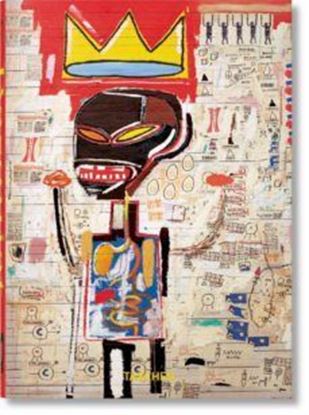
JEAN-MICHEL BASQUIAT (45TH)(E)
La exitosa monografía en formato XXL, ahora disponible en una edición compacta. Las exquisitas reproducciones de las pinturas, dibujos y esbozos más destacados, acompañadas de los textos del editor Hans Werner Holzwarth y de Eleanor Nairne, comisaria e historiadora del arte, nos acercan al artista que simboliza el Nueva York de la década de 1980.
La leyenda de Jean-Michel Basquiat (1960-1988) continúa intacta. Símbolo del Nueva York de la década de 1980, el artista inició su carrera a finales de la década de 1970 bajo el seudónimo SAMO llenando las paredes de la ciudad con pintadas que contenían mensajes mordaces y fragmentos de poemas. Formó parte de una escena underground en pleno auge formada por todo tipo de artistas, que se dedicaron a las artes plásticas, el gratifi, el hip-hop, el post-punk y el cine amateur. Basquiat, pintor con una potente voz personal, no tardó en triunfar en entornos más convencionales y expuso en galerías de todo el mundo.
El estilo expresivo de Basquiat se basaba en figuras rudimentarias a las que añadía palabras y frases. Su obra inspiró a todo un elenco de celebridades del jazz, el boxeo y el baloncesto, con referencias esotéricas y a la vida callejera.
1,995