
1,995
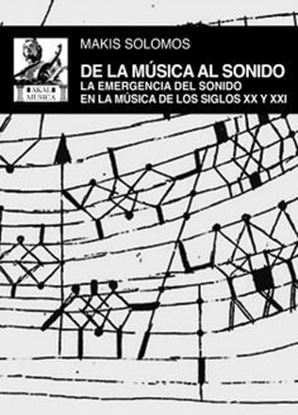
DE LA MUSICA AL SONIDO
Partiendo de seis historias paralelas, el presente libro constituye una historia plural y original de la nueva música, que muestra cómo se ha producido un cambio de paradigma mediante un desplazamiento del núcleo: estamos pasando de una cultura musical centrada en la tonalidad a una cultura del sonido.
Cada capítulo se centra en una de esas historias: el timbre, una categoría central en la composición musical; el potencial musical del ruido; la escucha, cuyo conocimiento da acceso al sonido en el sentido más amplio del término; la inmersión sonora; la sustitución de la composición «del» sonido por la composición «con» sonidos, y el espacio, que progresivamente se percibe como algo componible.
De Debussy a la música de los comienzos del siglo XXI, del rock a la electrónica, de los objetos sonoros de la primera música concreta a la música electroacústica actual, este libro ofrece una original y novedosa perspectiva de la emergencia del sonido como eje vertebrador de la creación musical.
1,995
3,800
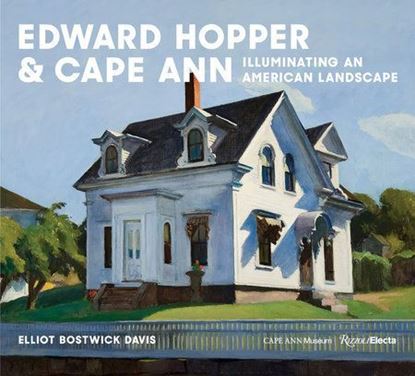
EDWARD HOPPER Y CAPE ANN
A fresh look at one of America’s best-known and beloved artists at a pivotal but little-known moment in his life that profoundly shaped both his art and career.
Edward Hopper & Cape Ann tells the largely ignored but significant origin story of Edward Hopper’s years in and around Gloucester, Massachusetts—a period and place that imbued Hopper’s paintings with a clarity and purpose that had eluded his earlier work. This volume focuses on summers Hopper spent there in the 1920s, starting in 1923, when he first embraced watercolor during outdoor painting excursions on Cape Ann and discovered one of his favorite subjects: houses and vernacular architecture. The success of Hopper’s Gloucester watercolors transformed his work in all media and set the stage for his monumental career.
Accompanying a major retrospective at the Cape Ann Museum, including an unprecedented loan of twenty-eight works from the Whitney Museum of American Art, this highly readable and beautifully illustrated volume reveals in great depth the lesser-known story about the influence of a young painter, Josephine Nivison, who became not only Hopper’s wife but also the most trusted force underlying his artistic confidence. Here she is recast as principal producer of Hopper’s distinctive style and his “brand” visionary from the time of their courtship until his death in 1967.
3,800
2,500
1,500
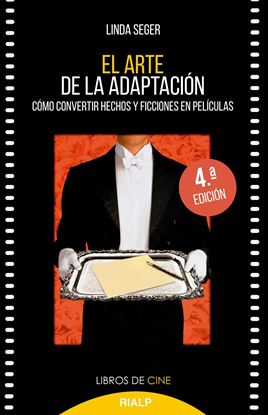
EL ARTE DE LA ADAPTACION
Linda Seger explica con claridad cómo adaptar al cine una novela, una obra de teatro o una historia real, y da solución a los problemas más comunes.
Las adaptaciones cinematográficas son, desde hace mucho tiempo, el principal soporte de la industria de Hollywood y de las cadenas de televisión norteamericanas. Además, la mayoría de las cintas que han ganado el Oscar a la mejor película han sido adaptaciones de novelas, obras de teatro o historias reales. Linda Seger, autora de varios libros ya clásicos sobre escritura de guiones, ofrece ahora un manual valioso y completo para guionistas, productores y realizadores que quieran adaptar obras y acontecimientos a la pantalla.
Junto a cómo analizar este material y evaluar su potencial como película, Seger proporciona un método práctico para trasladar al cine la historia, los personajes, los temas y el estilo. La última parte aborda también las cuestiones legales de toda adaptación, las posibilidades de opción sobre una obra y la protección de los derechos como guionista o productor.
1,500
4,200
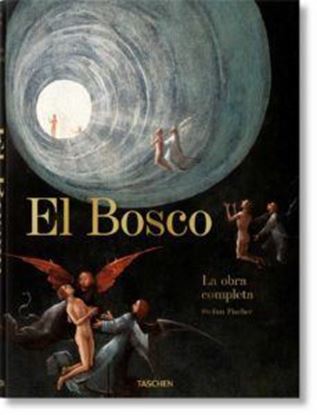
EL BOSCO. LA OBRA COMPLETA (FP) (E)
Un pájaro monstruoso que devora a los pecadores, cuerpos desnudos contorsionándose en posturas tántricas, un par de orejas blandiendo la hoja de un cuchillo: con tan solo 20 pinturas y 9 dibujos a su nombre, el visionario holandés Hieronymus Bosch (aprox. 1450-1516) se ha asegurado su lugar como pilar en la historia del arte. A día de hoy, el pintor por excelencia del infierno y sus demonios continúa sorprendiendo y cautivando a expertos en pintura, artistas, diseñadores y músicos por igual.
Esta monografía a gran escala, basada en la exitosa edición XXL para la que TASCHEN encargó nuevas y exclusivas fotografías de detalles y de las obras recientemente restauradas, presenta la obra completa del Bosco. Los textos de Stefan Fischer, historiador del arte y experto en su obra, analizan los numerosos elementos cautivadores que pueblan cada escena, desde los seres híbridos mitad hombre y mitad animal hasta el uso pictórico de refranes y modismos propio del artista. Este libro, que ofrece una exhaustiva panorámica de su inaprensible obra, revela por qué el Bosco y su pintura han sido inmensamente influyentes.Incluye:
Reproducciones impecables a toda página que ensalzan el asombroso potencial compositivo del artista
Detalles ampliados que desvelan las escenas más intrincadas e inquietantes, así como los pormenores técnicos más insospechados, desde las pinceladas sutiles al grano del lienzo
Un desplegable del legendario El juicio final
Un capítulo especial centrado en la obra más célebre del Bosco, el hipnotizante tríptico de El jardín de las delicias
4,200

995
EL CASO FURTWANGLER (OF2)
Wilhelm Furtwängler (1886-1954) fue el representante más eminente de la gran «tradición alemana». Considerado, junto con Karajan, Bernstein o Carlos Kleiber, uno de los más legendarios directores de orquesta del siglo XX, por sus interpretaciones -donde algunos creen traslucir cierta noción de verdad-, Furtwängler fue y será siempre, para muchos, una especie de oráculo. La valía de su legado es más que evidente y sus grabaciones continúan siendo una referencia. Pero la clave de su permanencia en el inconsciente colectivo trasciende lo estrictamente musical. Para la política cultural nazi, la música jugó un papel de suma relevancia, destinada a cimentar la superioridad del pueblo alemán, su grandeza y eternidad, lo que llevó a apropiarse de los grandes clásicos alemanes y austríacos bajo la denominación ideológica de «música alemana». Sin la participación de los músicos coetáneos, dicha política cultural del Reich no hubiese sido posible.
995