1,500
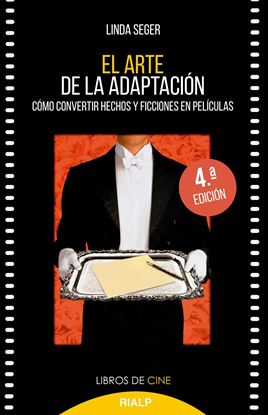
EL ARTE DE LA ADAPTACION
Linda Seger explica con claridad cómo adaptar al cine una novela, una obra de teatro o una historia real, y da solución a los problemas más comunes.
Las adaptaciones cinematográficas son, desde hace mucho tiempo, el principal soporte de la industria de Hollywood y de las cadenas de televisión norteamericanas. Además, la mayoría de las cintas que han ganado el Oscar a la mejor película han sido adaptaciones de novelas, obras de teatro o historias reales. Linda Seger, autora de varios libros ya clásicos sobre escritura de guiones, ofrece ahora un manual valioso y completo para guionistas, productores y realizadores que quieran adaptar obras y acontecimientos a la pantalla.
Junto a cómo analizar este material y evaluar su potencial como película, Seger proporciona un método práctico para trasladar al cine la historia, los personajes, los temas y el estilo. La última parte aborda también las cuestiones legales de toda adaptación, las posibilidades de opción sobre una obra y la protección de los derechos como guionista o productor.
1,500
2,200
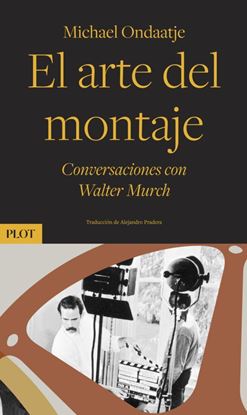
EL ARTE DEL MONTAJE
Una aproximación al arte del montaje tanto de sonido como de imagen, a la creación, la técnica y los secretos que rodean ambos oficios.
Michael Ondaatje y Walter Murch se conocieron en el rodaje de El paciente inglés. La película, basada en la novela homónima de Ondaatje ganadora del Premio Booker, consiguió nueve Oscar: el de mejor montaje y el de mejor sonido reconocían el talento de Murch.
La curiosidad del escritor le llevó a acercarse a Walter Murch, alguien que trabajaba con un lenguaje en principio muy distinto al suyo. Aquel encuentro derivó en una amistad a la que hoy debemos uno de los mejores libros sobre cine.
Se trata de una mirada única sobre el trabajo de directores como Francis Ford Coppola, George Lucas, Anthony Minghella, Philip Kaufman o Fred Zinneman pero, sobre todo, es una aproximación de la manos de un genio al arte del montaje tanto de sonido como de imagen. El interrogatorio de un gran amante del séptimo arte como Michael Ondaatje se convierte en una lección magistral de cine.
2,200
4,200
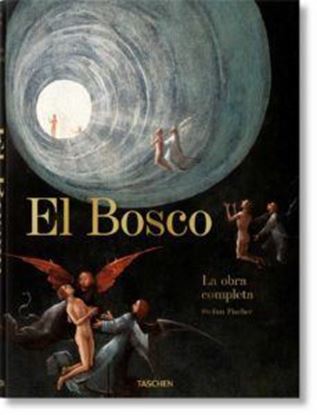
EL BOSCO. LA OBRA COMPLETA (FP) (E)
Un pájaro monstruoso que devora a los pecadores, cuerpos desnudos contorsionándose en posturas tántricas, un par de orejas blandiendo la hoja de un cuchillo: con tan solo 20 pinturas y 9 dibujos a su nombre, el visionario holandés Hieronymus Bosch (aprox. 1450-1516) se ha asegurado su lugar como pilar en la historia del arte. A día de hoy, el pintor por excelencia del infierno y sus demonios continúa sorprendiendo y cautivando a expertos en pintura, artistas, diseñadores y músicos por igual.
Esta monografía a gran escala, basada en la exitosa edición XXL para la que TASCHEN encargó nuevas y exclusivas fotografías de detalles y de las obras recientemente restauradas, presenta la obra completa del Bosco. Los textos de Stefan Fischer, historiador del arte y experto en su obra, analizan los numerosos elementos cautivadores que pueblan cada escena, desde los seres híbridos mitad hombre y mitad animal hasta el uso pictórico de refranes y modismos propio del artista. Este libro, que ofrece una exhaustiva panorámica de su inaprensible obra, revela por qué el Bosco y su pintura han sido inmensamente influyentes.Incluye:
Reproducciones impecables a toda página que ensalzan el asombroso potencial compositivo del artista
Detalles ampliados que desvelan las escenas más intrincadas e inquietantes, así como los pormenores técnicos más insospechados, desde las pinceladas sutiles al grano del lienzo
Un desplegable del legendario El juicio final
Un capítulo especial centrado en la obra más célebre del Bosco, el hipnotizante tríptico de El jardín de las delicias
4,200
1,350
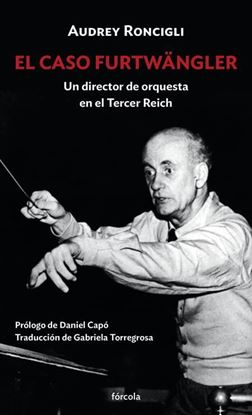
EL CASO FURTWANGLER
Wilhelm Furtwängler (1886-1954) fue el representante más eminente de la gran «tradición alemana». Considerado, junto con Karajan, Bernstein o Carlos Kleiber, uno de los más legendarios directores de orquesta del siglo XX, por sus interpretaciones -donde algunos creen traslucir cierta noción de verdad-, Furtwängler fue y será siempre, para muchos, una especie de oráculo. La valía de su legado es más que evidente y sus grabaciones continúan siendo una referencia. Pero la clave de su permanencia en el inconsciente colectivo trasciende lo estrictamente musical. Para la política cultural nazi, la música jugó un papel de suma relevancia, destinada a cimentar la superioridad del pueblo alemán, su grandeza y eternidad, lo que llevó a apropiarse de los grandes clásicos alemanes y austríacos bajo la denominación ideológica de «música alemana». Sin la participación de los músicos coetáneos, dicha política cultural del Reich no hubiese sido posible.
1,350
1,600
EL ESTANDAR DE HOLLYWOOD
Pensado para que el guionista lo tenga siempre a mano, El estándar de Hollywood proporciona mucho más que el mejor software de guiones: instrucciones claras y cientos de ejemplos para resolver todo interrogante sobre el formato: cuándo es apropiado un nuevo encabezamiento de plano y cuándo no; cómo dar formato a los encabezamientos de plano, diálogos, indicaciones de dirección y transiciones; cómo controlar el ritmo con el formato; cómo hacer que una página de guion resulte visualmente atractiva para el lector; qué poner en mayúsculas y por qué; cómo entrar y salir de una toma PDV; cómo manejar los mensajes de texto y las reuniones Zoom; cómo los guionistas más innovadores de Hollywood están ampliando los límites del formato; cómo el formato para animación difiere de los formatos de acción real... En pocas palabras, Riley sabe más que nadie en Hollywood sobre el formato de guiones y lo comparte todo en esta guía indispensable.
1,600
500
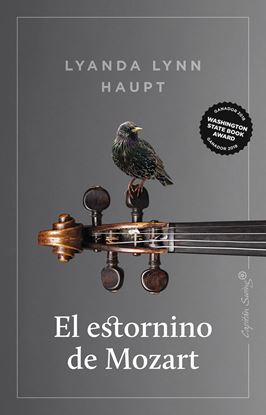
EL ESTORNINO DE MOZART (OF2)
El 27 de mayo de 1784, Wolfgang Amadeus Mozart se encontró en una tienda vienesa con un coqueto estornino que cantó una versión improvisada del tema de su Concierto para piano n.º 17 en sol mayor. Al percibir un espíritu afín en el joven pájaro, lo compró y se lo llevó a casa como mascota. Durante tres años, el estornino vivió con Mozart, influyendo en su obra y sirviéndole de compañero, distracción, consuelo y musa. Dos siglos después, los estorninos son vilipendiados incluso por los conservacionistas más compasivos. Como especie invasora no autóctona, invaden hábitats sensibles, compiten con las aves locales por los lugares de anidación y el alimento, y diezman los cultivos. La ornitóloga y naturalista Lyanda Lynn Haupt conoce bien las tensas relaciones de estas aves con otras especies y el medio ambiente. Pero, tras rescatar a una cría de estornino, quedó encantada con esa inteligencia y el espíritu juguetón que habían maravillado a su compositor favorito. Haupt explora el improbable y extraordinario vínculo entre uno de los compositores más apreciados de la historia y uno de los pájaros más comunes de la Tierra. Las historias entrelazadas de la mascota de Mozart y del estornino de Haupt ofrecen una insólita mirada a la amistad entre humanos y animales, al mundo secreto de los estorninos y a la naturaleza de la inspiración creativa.
500
1,995
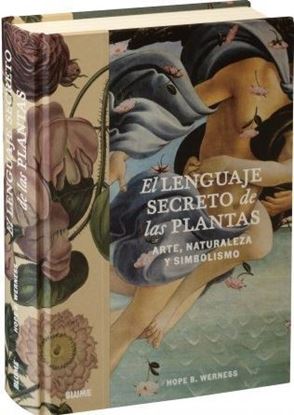
EL LENGUAJE SECRETO DE LAS PLANTAS
Desde la veneración de los antiguos egipcios por la acacia y el loto hasta el lenguaje victoriano de las flores y las obras de Vincent van Gogh y Georgia O'Keeffe, siempre hemos buscado sentido en la naturaleza.
A menudo se ha atribuido un significado específico a ciertas plantas, y se ha relacionado con sus usos alimenticios o medicinales, sus asociaciones con santos y héroes o cualidades más abstractas o estéticas, como la resistencia, la belleza y la fuerza.
Una guía, elegante y bellamente ilustrada que entreteje la botánica, la mitología, el folclore, los textos religiosos y siglos de arte y literatura para explorar el simbolismo cultural y los significados subyacentes de más de cincuenta plantas.
1,995
1,995
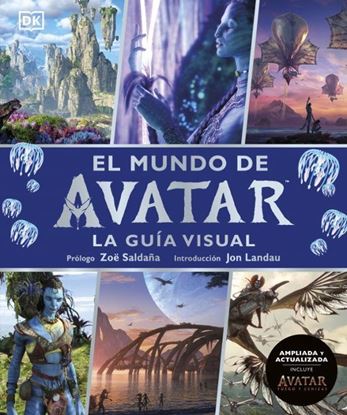
EL MUNDO DE AVATAR. EDICION ACTUALIZADA
El mundo de Avatar. Edición actualizada celebra, explora y explica el espectacular mundo de Pandora, desde su extraordinaria geología, flora y fauna, hasta las costumbres y creencias de su gente, los misteriosos na'vi. Conoce las batallas contra la RDA junto con la tecnología que los aspirantes a colonizadores pretenden usar contra ellos.
El libro revela contenido clave de las tres primeras películas de la franquicia: Avatar, Avatar: El camino del agua y el éxito de taquilla más esperado de 2025, Avatar: fuego y ceniza. Combina imágenes y obras de arte originales con impresionantes imágenes del espectáculo del Cirque du Soleil Toruk: El Primer Vuelo, inspirado en Avatar, y de Pandora-El Mundo de Avatar, del parque temático Disney's Animal Kingdom.
Adéntrate en la majestuosa luna de Pandora y descubre la increíble creatividad de esta historia, que llevó a la película original a convertirse en la más taquillera de todos los tiempos y a que la saga en su conjunto recibiera cuatro Óscar.
Con un prólogo de la estrella de Avatar, Zoe Saldana (Neytiri), y una introducción del productor Jon Landau, El mundo de Avatar. Edición actualizada es la guía visual perfecta para los fans que esperan un adelanto de Avatar: fuego y ceniza, y anticipa el éxito masivo de Avatar en el futuro.
1,995
1,995
EL PERSONAJE
¿Cómo crear un personaje? ¿Cómo conseguir que sea memorable, único, profundo y contradictorio? ¿Qué tienen en común Ulises, Carrie Bradshaw, Blanche DuBois y Walter White? El personaje es un recorrido por los fundamentos básicos para crear buenos personajes. Desde cómo Occidente se ha planteado a lo largo de su historia el arte de la poiesis, a las diferentes formas de abordar la construcción de un personaje, pasando por el análisis de personajes míticos de la literatura, del cine o de la televisión o cuáles son las claves para mejorar los procesos creativos.
1,995