6,995
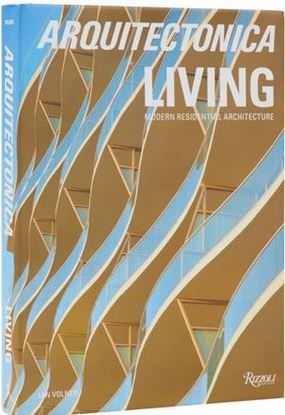
ARQUITECTONICA LIVING
Dazzling, award-winning, and immensely livable homes are presented here by the world-renowned firm, famous for having played such a large role in the creation of the Miami Vice look, but whose work is so much wider ranging, and which now extends across the globe—from Miami to Singapore, London to Toronto, Luxembourg to Ho Chi Minh City. Highlights include the Ellipse, a delightful oval tower on the Jersey City, New Jersey, waterfront with prime Hudson River and Manhattan views, as well as the Aquavista, in Toronto, which boasts an extraordinary array of jutting terrace-balconies and bright interior spaces flooded with light. By seamlessly merging cutting-edge technology, sustainable practices, and bold artistic vision, Arquitectonica has redefined the possibilities of residential architecture. Their work not only elevates urban living but also affirms a commitment to creating vibrant, livable spaces that inspire communities worldwide.
6,995
7,700
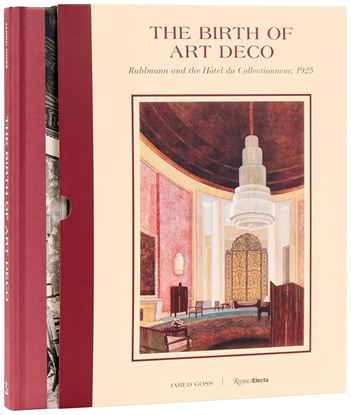
THE BIRTH OF ART DECO: RUHLMANN AND L H.
This book celebrates the 1925 Paris Exposition—at its centenary—a landmark event that shaped twentieth-century design and gave its name to Art Deco. The exposition dazzled over sixteen million visitors during its run, showcasing the pinnacle of French luxury goods and design innovation.
Renowned as the preeminent exponent of French Art Deco, Ruhlmann (1879–1933) was recognized for the aesthetic refinement, luxurious materials, and impeccable craftsmanship of his creations. Inspired by eighteenth-century pleasure pavilions, Ruhlmann’s pavilion, L’Hôtel du Collectionneur (The Town House of the Collector), was one of the most admired exhibits at the fair. Conceived as a modern-day Trianon, it was filled with his own sumptuous furnishings together with a meticulous selection of objets d’art by his contemporaries, including Edgar Brandt, Jean Dunand, and Jean Puiforcat.
7,700
8,500
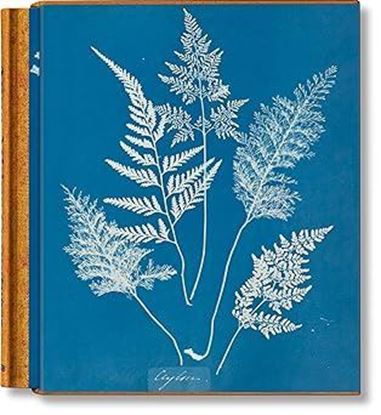
ANNA ATKINS. CYANOTYPES (CL) (INT)
At the dawn of the Victorian era in her open-air laboratory in Halstead, Kent, Anna Atkins embarked on a radical experiment to document botanical species using a completely new artistic medium. The inimitable cyanotype photograms of algae and ferns she created were made into the first books to feature photographic images. Striking yet ethereal, these albums are a perfect synthesis of art and science.Although the cyanotype technique was discovered by her friend John Herschel, Atkins was the first to realize both its practical purpose for own her interests in botany and taxonomy, and its intriguing artistic potential.
8,500