

1,500
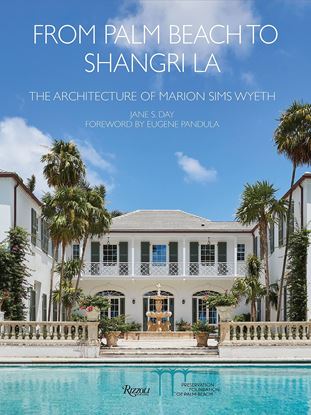
FROM PALM BEACH TO SHANGRI LA
Beauty and elegance mingle with extravagance in the Palm Beach style of architect Marion Sims Wyeth, a kind of home design that takes the standard fixtures of paradise palm trees, ebullient fountains, glistening pools and gardens, views of the sea and mixes them with a dash of the exotic a Moorish-style balcony or doorway, Venetian archways, fanciful courtyards in the Spanish style, and spiralling staircases in stone and iron. Featured here are the legendary abodes of Marjorie Merriweather Post and Doris Duke Mar-a-Lago and Shangri La, respectively as well as the less well known but equally spectacular Hogarcito and La Claridad, to name but a few. For those unfamiliar with these dream palaces, intimate homes of repose and reflection, for the enjoyment of life and the living of it, the book serves at once as a revelation and an inspiration.
1,500
1,500
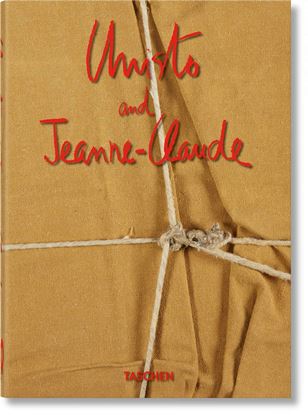
CHRISTO & JEANNE-CLAUDE (405TH) (INT)
The works of Christo and Jeanne-Claude are monuments of transience. Gigantic in scale, they are always temporary, created to exist only for a limited time and to leave unique, unrepeatable impressions. “From the smallest of the Packages made in Paris in the early 1960s, to the delicate pattern of hundreds of branches embraced by a translucent fabric veil... in Christo and Jeanne-Claude’s works there is nothing abstract, nothing imagined; it is all there―corporeal and tangible.” (Lorenza Giovanelli)
1,500
1,500
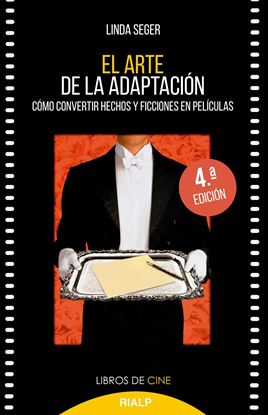
EL ARTE DE LA ADAPTACION
Linda Seger explica con claridad cómo adaptar al cine una novela, una obra de teatro o una historia real, y da solución a los problemas más comunes.
Las adaptaciones cinematográficas son, desde hace mucho tiempo, el principal soporte de la industria de Hollywood y de las cadenas de televisión norteamericanas. Además, la mayoría de las cintas que han ganado el Oscar a la mejor película han sido adaptaciones de novelas, obras de teatro o historias reales. Linda Seger, autora de varios libros ya clásicos sobre escritura de guiones, ofrece ahora un manual valioso y completo para guionistas, productores y realizadores que quieran adaptar obras y acontecimientos a la pantalla.
Junto a cómo analizar este material y evaluar su potencial como película, Seger proporciona un método práctico para trasladar al cine la historia, los personajes, los temas y el estilo. La última parte aborda también las cuestiones legales de toda adaptación, las posibilidades de opción sobre una obra y la protección de los derechos como guionista o productor.
1,500