

1,500
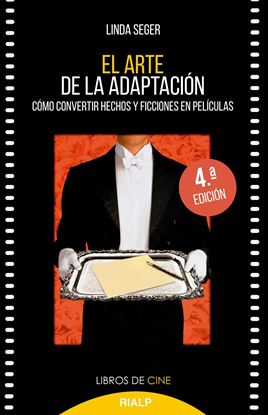
EL ARTE DE LA ADAPTACION
Linda Seger explica con claridad cómo adaptar al cine una novela, una obra de teatro o una historia real, y da solución a los problemas más comunes.
Las adaptaciones cinematográficas son, desde hace mucho tiempo, el principal soporte de la industria de Hollywood y de las cadenas de televisión norteamericanas. Además, la mayoría de las cintas que han ganado el Oscar a la mejor película han sido adaptaciones de novelas, obras de teatro o historias reales. Linda Seger, autora de varios libros ya clásicos sobre escritura de guiones, ofrece ahora un manual valioso y completo para guionistas, productores y realizadores que quieran adaptar obras y acontecimientos a la pantalla.
Junto a cómo analizar este material y evaluar su potencial como película, Seger proporciona un método práctico para trasladar al cine la historia, los personajes, los temas y el estilo. La última parte aborda también las cuestiones legales de toda adaptación, las posibilidades de opción sobre una obra y la protección de los derechos como guionista o productor.
1,500
1,500
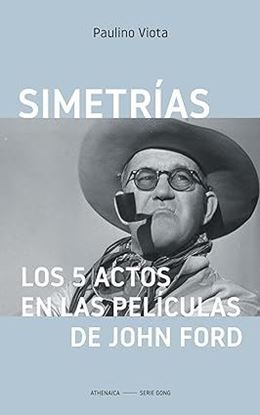
SIMETRIAS. LOS 5 ACTOS DE JOHN FORD
De una incomparable familiaridad con el legado clásico y moderno del cine, del estudio exhaustivo de sus películas y de los rasgos de estilo de sus cineastas, nace el Paulino Viota teórico, ese sabio que ha plantado en artículos, libros, conferencias y cursos la fructífera semilla de su apasionamiento, marcando a varias generaciones de cinéfilos mediante la finura del análisis, la argumentación audaz y la iluminación arrebatadora. Fue, como bien se ha dicho, la opción elegida para seguir siendo creativo, para hacer cine de otra manera, cuando su carrera de cineasta se vio desgraciadamente truncada. En "Simetrías. Los cinco actos en las películas de John Ford", catorce títulos del director de Fort Apache o The Searchers son desmenuzados para hacer comparecer a su cineasta-constructor, demiurgo tras las apariencias que apuntala la narración y gestiona su memoria esa guía afectiva del espectador atento a partir de cinco actos, unidades de sentido de raigambre mítica relacionadas entre sí por simetrías y correspondencias que explican la pregnancia del cine fordiano. Así, Paulino Viota, con una clarividencia que se impone a la hybris, nos faculta a comprender y sentir la parte sumergida que sustenta la punta visible de ese imponente iceberg llamado John Ford; y mientras, el lector, en justa proporción, celebra el trabajo minucioso y callado, la tramoya de diagramas y esquemas que el analista ha ido desarrollando durante años para poder arribar a sus emocionantes conclusiones, aquí donadas con la generosidad que todos conocemos y admiramos en él.
1,500
1,500
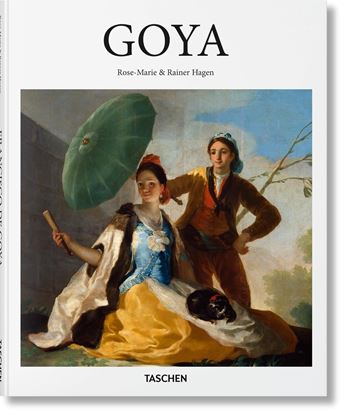
GOYA (BASIC ART SERIES 2.0)
From court portraits for the Spanish royals to horrific scenes of conflict and suffering, Francisco José de Goya y Lucientes (1746–1828) made a mark as one of Spain’s most revered and controversial artists. A master of form and light, his influence reverberates down the centuries, inspiring and fascinating artists from the Romantic Eugène Delacroix to Britart enfants terribles, the Chapman brothers.Born in Fuendetodos, Spain, in 1746, Goya was apprenticed to the Spanish royal family in 1774, where he produced etchings and tapestry cartoons for grand palaces and royal residences across the country. He was also patronized by the aristocracy, painting commissioned portraits of the rich and powerful with his increasingly fluid and expressive style. Later, after a bout of illness, the artist moved towards darker etchings and drawings, introducing a nightmarish realm of witches, ghosts, and fantastical creatures.It was, however, with his horrific depictions of conflict that Goya achieved enduring impact. Executed between 1810 and 1820, The Disasters of War was inspired by atrocities committed during the Spanish struggle for independence from the French and penetrated the very heart of human cruelty and sadism. The bleak tones, agitated brushstrokes, and aggressive use of Baroque-like light and dark contrasts recalled Velázquez and Rembrandt, but Goya’s subject matter was unprecedented in its brutality and honesty.In this introductory book from TASCHEN Basic Art 2.0 we set out to explore the full arc of Goya’s remarkable career, from elegant court painter to deathly seer of suffering and grotesquerie. Along the way, we encounter such famed portraits as Don Manuel Osorio Manrique de Zúñiga, the dazzling Naked Maja, and The 3rd of May 1808 in Madrid, one of the most heart-stopping images of war in the history of art.
1,500
1,500
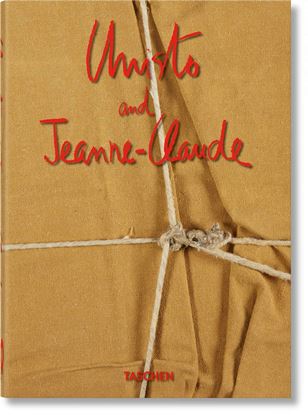
CHRISTO & JEANNE-CLAUDE (405TH) (INT)
The works of Christo and Jeanne-Claude are monuments of transience. Gigantic in scale, they are always temporary, created to exist only for a limited time and to leave unique, unrepeatable impressions. “From the smallest of the Packages made in Paris in the early 1960s, to the delicate pattern of hundreds of branches embraced by a translucent fabric veil... in Christo and Jeanne-Claude’s works there is nothing abstract, nothing imagined; it is all there―corporeal and tangible.” (Lorenza Giovanelli)
1,500

1,500
FROM PALM BEACH TO SHANGRI LA
Beauty and elegance mingle with extravagance in the Palm Beach style of architect Marion Sims Wyeth, a kind of home design that takes the standard fixtures of paradise palm trees, ebullient fountains, glistening pools and gardens, views of the sea and mixes them with a dash of the exotic a Moorish-style balcony or doorway, Venetian archways, fanciful courtyards in the Spanish style, and spiralling staircases in stone and iron. Featured here are the legendary abodes of Marjorie Merriweather Post and Doris Duke Mar-a-Lago and Shangri La, respectively as well as the less well known but equally spectacular Hogarcito and La Claridad, to name but a few. For those unfamiliar with these dream palaces, intimate homes of repose and reflection, for the enjoyment of life and the living of it, the book serves at once as a revelation and an inspiration.
1,500
1,500
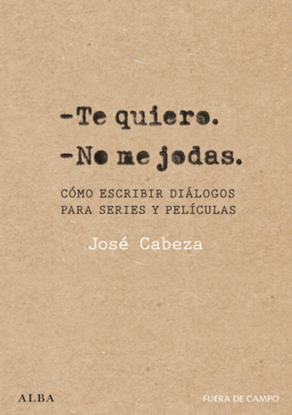
TE QUIERO.NO ME JODAS. COMO ESCRIBIR DI.
La mayoría de los manuales de guion son, en palabras del autor de este libro, «como los gritos constantes que el entrenador le pega aljugador infantil, y que más que situarlo mejor ante el desafío quetiene delante, lo llenan de inseguridad. No digo que sean maloslibros. Ni mucho menos. Algunos son textos formidables (?). Entonces,¿cuál es el problema? Que no hablan del proceso». Esos manualesacostumbran a dar mucha información y consejos para alcanzar un buenresultado, pero se olvidan de mostrar cómo se ha llegado hasta ahí:los errores que se convierten en aciertos y los aciertos que acabansiendo errores; los diálogos que cierran posibilidades, los que abrendemasiado el campo, los que definen bien a un personaje, pero plantean dudas sobre si podrían ser mejores?-Te quiero -No me jodas explica cómo se crean diálogos, pero no puedecrear guionistas.
1,500