

1,350
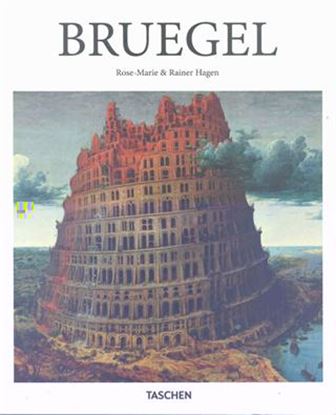
BRUEGEL (BA-ART) (ES)
El gran artista Pieter Bruegel el Viejo (h. 1526/31-1569) fue un pintor y dibujante dotado de una inventiva extraordinaria que hizo historia a través de sus hermosos paisajes, sus motivos religiosos, notables por su autenticidad, y su reflejo de la vida cotidiana. Bruegel destaca sobre todo por su representación del mundo campesino y la cultura popular, ganándose el apodo de Bruegel el Campesino. Ya fuera con su retrato de cazadores temblando en medio de la nieve o la escena de una feria bulliciosa, Bruegel elevó la agricultura, las fiestas, las reuniones y los juegos del mundo rural a la categoría de arte.
1,350
1,350
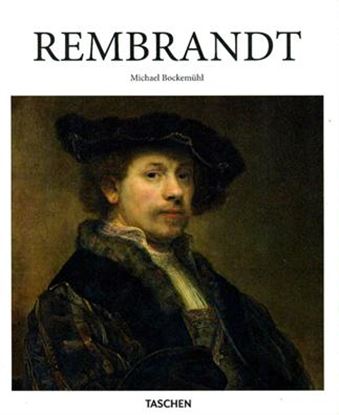
REMBRANDT (BA-ART)
Aunque nunca salió de su tierra natal en los Países Bajos, Rembrandt van Rijn(1606-1669) cambió el curso del arte occidental con su extenso repetorio de pinturas, dibujos y grabados. Su prolífica obra abarca escenas religiosas, históricas y seculares, así como una de las más extraordinarias series de retratos y autorretratos de la historia.
1,350
1,350
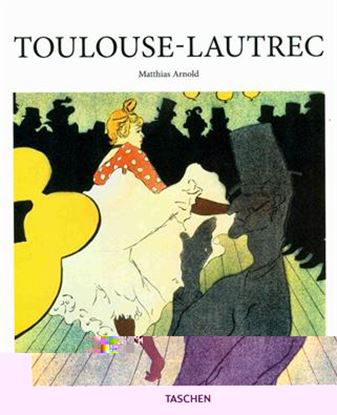
TOULOUSE-LAUTREC (BA-ART)
Este libro esencial sobre la figura de Toulouse-Lautrec recorre un universo de cantantes, bailarinas, músicos y prostitutas para descubrir a un artísta dotado de un gran empatía, una habilidad figurativa sorprendente y una sensibilidad única para captar la energía y las historias propias de una ciudad.
1,350
1,350
ANDO (BA-ARCH) (GB) (INT)
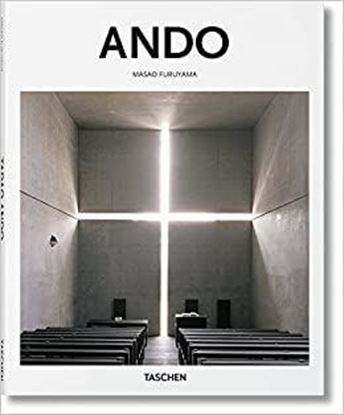
In this essential TASCHEN introduction to Tadao Ando we explore the hybrid of tradition, modernism, and function that allows his buildings to enchant architects, designers, fashion designers, and beyond. Through key projects including private homes, churches, museums, apartment complexes, and cultural spaces, we explore a uniquely monumental yet comforting aesthetic that draws as much on the calm restraint of Japanese tradition as the compelling modernist vocabularies of Bauhaus and Le Corbusier.
With featured projects in Japan, France, Italy, Spain, and the United States, we see not only Ando’s global reach but also his refined sensitivity for the environs: the play of light through windows, and, in particular, the interaction of buildings with water. From the mesmerizing Church of the Light in Osaka to the luminous Punta della Dogana Contemporary Art Center in Venice, this is a radiant tour through a distinctly contemporary form as much as a timeless appeal of light, elements, and equilibrium.
1,350
1,350
ARQUITECTURA PARA DUMMIES
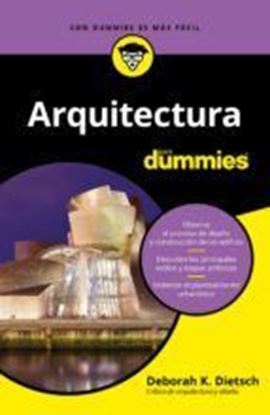
¿Cuándo un edificio es solo una construcción y cuándo es arte? ¿Qué hace que nos emocionemos con la magnificencia del Taj Mahal, las pirámides de Giza o un rascacielos de Nueva York? ¿Qué secretos ocultan la cuidada sobriedad de Le Corbusier, la trascendencia espiritual de Miguel Ángel o la racionalidad clásica de Calícrates? Con un lenguaje alejado de tecnicismos, en esta guía encontrarás lo esencial de la arquitectura de todo el mundo para que puedas disfrutar todavía más esa apasionante faceta de la actividad humana.
1,350
1,350
NEUTRA (BA-ARCH) (GB)
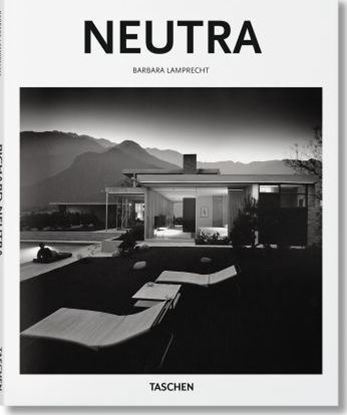
In the architecture of Richard Neutra (1892–1970), inside and outside find their perfect modernist harmony. As the Californian sun glints off sleek building surfaces, vast glass panel walls allow panoramic views over mountains, gardens, palm trees, and pools.
Neutra moved to the United States from his native Vienna in 1923 and settled in Los Angeles. He displayed his affinity with architectural settings early on with the Lovell House, set on a landscaped hill with views of the Pacific Ocean and Santa Monica Mountains. Later projects such as the Kaufmann House and Nesbitt House would continue this blend of art, landscape, and living comfort, with Neutra’s clients often receiving detailed questionnaires to define their precise needs.
This richly illustrated architect introduction presents the defining projects of Neutra’s career. As crisp structures nestle amid natural wonders, we celebrate a particularly holistic brand of modernism which incorporated the ragged lines and changing colors of nature as much as the pared down geometries of the International Style.
1,350