

1,350
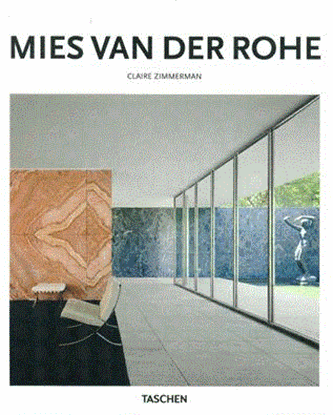
MIES VAN DER ROHE (BA-ARCH) (INT)
Célebre por su lema «menos es más», Ludwig Mies van der Rohe (1886-1969)fue uno de los padres fundadores de la arquitectura moderna y una figura influyente y polémica de la estética y la experiencia urbana del siglo XX. La filosofía de Mies van der Rohe consistía en fundamentar la verdad en las formas puras y las proporciones. Mediante avances tecnológicos y materiales contemporáneos, quiso vestir la arquitectura de una pureza elemental, ejemplificada por el Seagram Building y la Farnsworth House. Hubo quien denunció este planteamiento austero como el precursor de paisajes urbanos planos y genéricos. Otros citan a Mies van der Rohe como el maestro por excelencia de una esencia perdurablemente elegante. Con más de 20 de los proyectos que creó entre 1906 y 1967, este libro presenta el carácter vanguardista de la arquitectura de Mies van der Roge y su influencia en Estados Unidos y Europa.
1,350
1,350
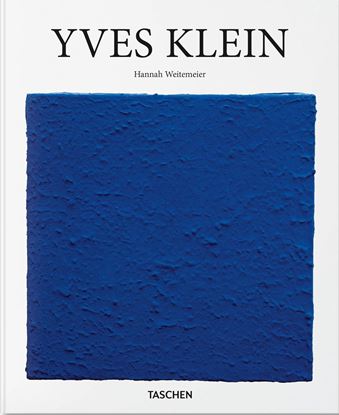
YVES KLEIN (BA-ART) (E)
Ese azul…
El artista a quien se le debe el azul de ultramar
A mediados de la década de 1950, Yves Klein (1928-1962) declaró que “un mundo nuevo exige un hombre nuevo”. Su peculiar estilo idiosincrático y su gran carisma llevaron a este audaz artista a desarrollar una breve pero fructífera carrera, pues pintó más de mil cuadros en un periodo de siete años, cuadros que hoy se consideran clásicos del arte moderno de posguerra.
Klein se labró un nombre sobre todo con sus lienzos monocromos de gran formato pintados con el tono de azul que él mismo patentó. El International Klein Blue (IKB), compuesto de pigmento puro y un aglutinante, es a un tiempo denso y luminoso, evocador y decorativo, y Klein lo concibió para evocar la cualidad inmaterial e infinita del mundo. Las obras de esta revolución azul parecen transportarnos a otra dimensión, como si cayéramos hipnotizados por un cielo de verano perfecto.
1,350
1,350
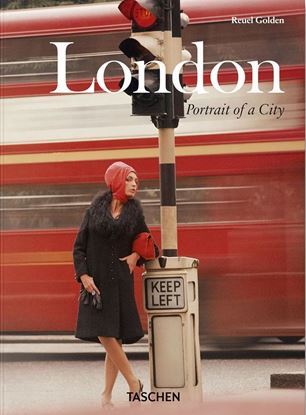
LONDON. PORTRAIT OF A CITY (IC) (GB)
Samuel Johnson famously said that: “When a man is tired of London, he is tired of life.” London’s remarkable history, architecture, landmarks, streets, style, cool, swagger, and stalwart residents are pictured in compelling photographs sourced from a wide array of archives around the world. London is a vast sprawling metropolis, constantly evolving and growing, yet throughout its complex past and shifting present, the humor, unique character, and bulldog spirit of the people have stayed constant. From Victorian London to the Swinging ’60s; from the foggy cobbled streets to the architectural masterpieces of the millennium; from royal weddings to raves, from the charm of the East End to the wonders of Westminster; from the power to glory: this book salutes all those Londoners, their city, and its history.
1,350
1,350
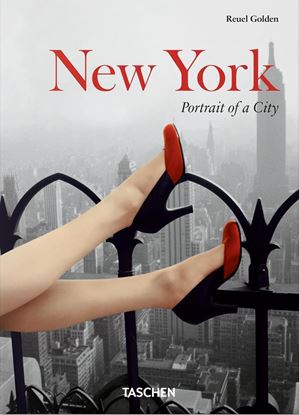
NEW YORK. PORTRAIT OF A CITY (IC) (GB)
From the building of the Brooklyn Bridge to immigrants arriving at Ellis Island, the slums of the Lower East Side to magnificent art deco skyscrapers, New York’s remarkable rise, reinvention, and growth is not just the tale of a city, but the story of a nation. This beautiful book lays out the streets, sidewalks, culture, and crowds of the greatest city in the world—in all the greatness of its extremes, contradictions, energy, and attitude. With vistas of Central Park alongside Coney Island and the sleaze of Times Square, this city portrait champions the complexity and chaos of New York—its architecture, culture, fashion, and ethnic diversity. More than just a tribute to the metropolis and its civic, social, and photographic heritage, New York. Portrait of a City also pays homage to the indomitable spirit of those who call themselves New Yorkers: full of hope and strength, resolute in their determination to succeed among its glass and granite towers.
1,350
1,350
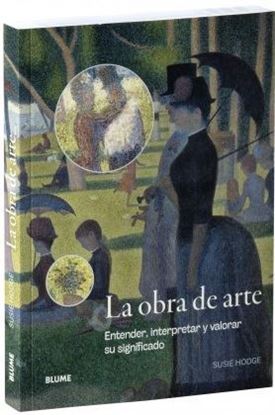
LA OBRA DE ARTE
El arte puede ser tan fascinante como frustrante. Una sola obra puede tener varios significados, y existen muchas formas de entenderla, interpretarla y apreciarla.
Este libro claro y accesible descompone grandes obras de arte en diez elementos sencillos para ayudarle a comprenderlas y apreciarlas mejor.
Además, le permitirá responder a algunas preguntas obvias, pero complicadas: «¿Cómo crea Yayoi Kusama la sensación de infinito en Luces resplandecientes de almas?» o «¿Por qué las capas de pintura de La noche estrellada de Van Gogh son tan gruesas?».
1,350
1,350
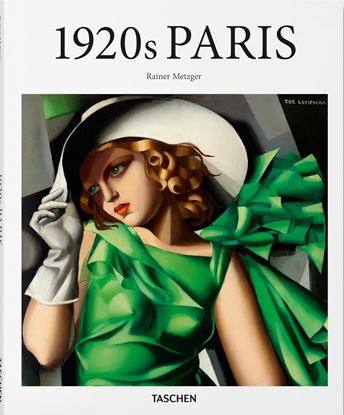
PARIS 1920S (BA) (GB)
Paris is the City of Light in all its facets. In the 1920s La Ville des lumières gleams especially bright and becomes a magnet for creative people from around the world. This is the decade of Coco Chanel and Josephine Baker, Art Deco and Surrealism, café culture and cabaret. The most famous artists of the epoch, later called Classic Modernism, are in close contact and have lively exchanges with one another – including Marcel Duchamp, Francis Picabia, Pablo Picasso, René Clair, Sonia Delaunay, André Breton, Paul Éluard, Max Ernst and Salvador Dalí. The creative life and all its excesses flourish bohème is the word for this way of living. Composers like Igor Stravinsky, writers like James Joyce or Ernest Hemingway and exiles from Eastern Europe like Constantin Brancusi or Marc Chagall enrich the illustrious scene on Montparnasse.
1,350