1,350
FRIEDRICH (BA-ART) (ES)
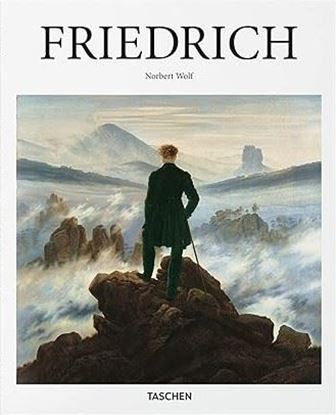
La belleza de la naturaleza y la soledad del hombre son temas dominantes en la obra de Caspar David Friedrich (1774-1840). El artista con frecuencia dispone una pequeña figura humana en un amplio paisaje, como en sus famosos lienzos Monje a la orilla del mar y El caminante sobre el mar de nubes. Durante mucho tiempo, la importancia y la influencia de este gran pintor romántico fueron subestimadas. Cuando murió, Friedrich había sido olvidado ya por sus coetáneos y no fue redescubierto hasta principios del siglo xx. Actualmente, se le considera el pintor alemán más importante de su generación y un precursor del expresionismo.
1,350
1,300
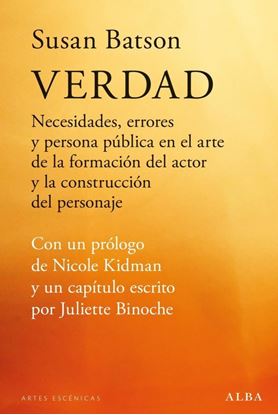
VERDAD. NECESIDADES, ERRORES Y PERSONA
Todos actores y personajes así como las personas en general tenemos una persona pública con la que nos presentamos ante los demás, una necesidad insatisfecha encubierta bajo esa máscara y cometemos un error trágico cuando reaccionamos ante un choque entre lo queremos que se piense de nosotros y lo que realmente somos. Sobre estos tres elementos clave Susan Batson ha desarrollado un proceso de técnica actoral que han seguido estrellas de la talla de Nicole Kidman, Tom Cruise, Bradley Cooper o Juliette Binoche. En Verdad, un clásico desde su publicación en 2007, expone didácticamente ante un círculo de alumnos imaginarios (pero en los que no cuesta reconocer actitudes y personalidades frecuentes en el mundo de la interpretación), los múltiples recursos que un actor o actriz debe explorar y aprovechar «para que un personaje esté vivo».
1,300

1,300
LA OTRA HISTORIA DEL CINE
Con su zafarrancho de trenes, lunas tuertas y tartas voladoras, el cine llegó como principal testigo de un escandaloso, emocionante y terrible cambio de mundo: el paso del siglo XIX al XX, tiempo de juventud y hartazgo, de entusiasmo y profunda desesperanza. Entre esos telones, este nuevo invento terminaría por convertirse en el más compartido lenguaje de narración, embeleso y manipulación; una herramienta imprescindible con la que documentar y fabricar esa época distinta a todas las demás, en la que la historia empezó a avanzar cada vez más rápido, sin casi un minuto ya para pensar en sí misma ni recoger sus cosas. Por supuesto, nada de eso sucedió en silencio. Este libro recoge, desde sus orígenes hasta nuestros días, la historia de la música del cine: una relación simbiótica y fascinante que transformó y enriqueció por igual a estas dos disciplinas artísticas en su camino compartido hacia la modernidad.
1,300
1,250
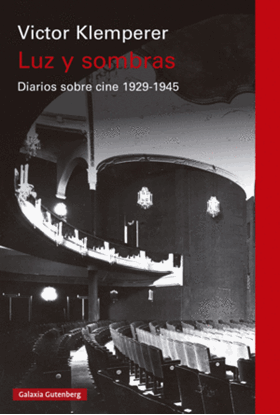
LUZ Y SOMBRAS
Presentamos íntegras por primera vez las anotaciones del diario del gran cronista Victor Klemperer sobre sus experiencias cinematográficas en los inicios de la era del cine sonoro. Desde el principio, el cinefilo es testigo de cómo la innovación tecnica se abre paso en la Alemania de 1929, y aunque inicialmente fue crítico con las películas sonoras, pronto cayó rendido ante las posibilidades de este nuevo formato. No era raro que viera varios filmes por semana. Sin embargo, los nacionalsocialistas se fueron apoderando del medio, y Klemperer acabará por quedar excluido de las salas de cine cuando en 1938 se prohíbe la entrada a los 'no arios'. Afortunadamente, ni siquiera eso pudo mantenerlo alejado de su gran pasión. Obligado a una existencia en la sombra, Klemperer experimentó momentos de luz ante la gran pantalla: 'Tanta música, humor, arte interpretativo y todo.
1,250
1,250
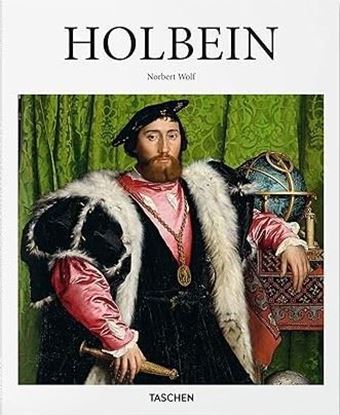
HOLBEIN (BA-ART) (GB)
This book brings together key Holbein paintings to explore his illustrious and international career as well as the courtly drama and radical religious change that informed his work. With rich illustration, we survey the masterful draftsmanship and almost supernatural ability to control details, from the textures of luxurious clothing to the ornament of a room, that secured Holbein’s place as one of the greatest portraitists in Western art history.
1,250
1,250