5,300
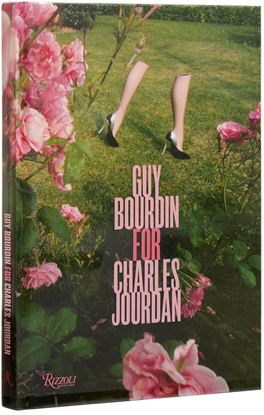
GUY BOURDIN FOR CHARLES JOURDAN
A giant of modern fashion photography, Bourdin lent his surrealist eye to the shoes and fashions of Charles Jourdan. Creating compositions full of movement, color, and sensuality, this pioneering collaboration between designer and photographer still exerts a profound influence on modern fashion photography.
The late 1960s saw some of the most dynamic periods in French fashion. And the union between Bourdin and Jourdan captured the spirit of the moment unlike any other creative partnership of the era. Jourdan, a polymath who occupied the office of both couturier and shoe designer, tapped Bourdin, a true surrealist among the fashion photographers of the age, and engaged in a creative dialogue through to Jourdan’s passing in 1976.
5,300

4,995
4,995
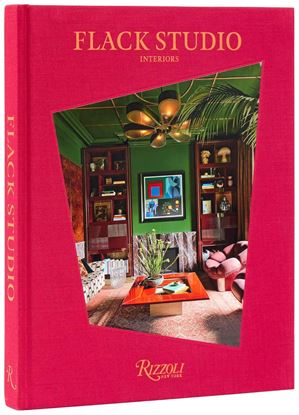
FLACK STUDIO, INTERIORS
The arrival, in 2021, of Australian global pop star Troye Sivan’s richly layered Melbourne home introduced the world to Flack Studio, a wildly creative, multidisciplinary practice of designers and architects well established in Australia. Launched in 2014, the studio is driven by an adventurous sensibility that embraces historical research and contemporary innovation.
Furniture, lighting, textiles, fittings, and vivid colour coalesce into a holistic yet idiosyncratic experience. A deep sense of materiality, a passion for contemporary art, and an embrace of local community and makers are hallmarks of Flack’s projects, which include homes and restaurants throughout Australia, Los Angeles, Seoul and the Ace Hotel in Sydney.
4,995
4,995
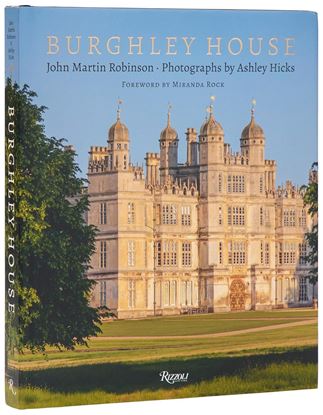
BURGHLEY HOUSE
Conceived by William Cecil, Lord High Treasurer to Queen Elizabeth I, and built between 1555 and 1587, Burghley House is a testament to the ambition and vision of the most powerful courtier of the first Elizabethan age.
Designed by Cecil himself, in consultation with the Dutch Renaissance architect and painter Hans Vredeman de Vries, the architecture and interiors at Burghley reflect a mix of contemporary fashionable influences. The house’s facades are each markedly different, with a striking and ornate Gothic gatehouse beneath a roofline of cupolas and obelisks, and with French and Italian styles visible in the windows and pilasters. And inside, where the State Rooms house remarkable collections of furniture, textiles, and Old Master paintings acquired over the centuries, Cecil’s Gothic-style Old Kitchen remains alongside the magnificent Renaissance staircase and Italianate fireplace in the Great Hall.
4,995
4,995
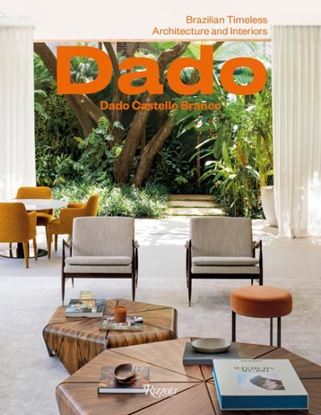
DADO CASTELLO BRANCO
Across Brazil and around the world, the elegant and meticulously crafted spaces designed by the firm Dado Castello Branco Arquitetura e Interiores are known for blending functionality with aesthetic allure. These places—residences, apartments, and villas, all in the signature style the firm has honed since its founding in São Paulo in the early 1990s—are brought to cinematic life by Brazilian artistic director and visual artist Ricardo van Steen. In these pages, van Steen stages a visual journey through four key elements of the company’s sophisticated design vision: He considers light as medium and muse, almost a character in the drama of each living, breathing space. He attends to matter, meaning the very materials of wood, copper, stone, fabric, and glass through which Dado’s designs achieve their richness and authenticity. He turns to the horizon, an essential feature that opens up perspectives and creates visual intrigue, serving as a metaphorical guide to the soul of the space. And he closes with art, paying tribute to Dado Castello Branco’s lifelong passion for the artists who inspire him and the art objects whose presence enhances these meticulous interiors. This richly illustrated publication brings us into these worlds of drama and elegance with exclusive photography and a profound consideration of the legacy of this legendary firm.
4,995
4,995
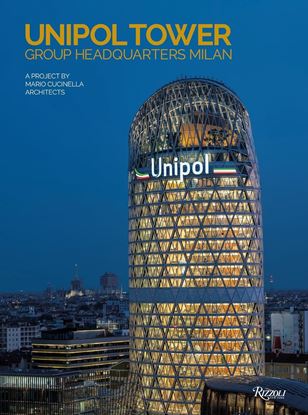
UNIPOL TOWER. GROUP HEADQUARTERS MILAN
A new tower stands out against the city skyline: the Unipol Tower designed by Mario Cucinella Architects, an internationally renowned architecture studio based in Milan and Bologna. The Unipol Tower is a 124-meter elliptical tower in the Porta Nuova area, in the heart of the city. Made from glass and steel, it has a glasshouse on the rooftop serving as a cultural venue. Commissioned by Unipol, the leading Italian insurance company, the tower looks beyond the corporate identity and headquarters of Unipol and has been acclaimed as one of the most advanced architecture projects ever created.
4,995