


4,600
4,500
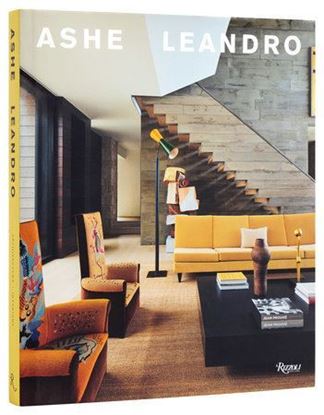
ASHE LEANDRO
For Ashe and Leandro, creativity is a way of life that is reflected in everything they design. They have built a star-studded portfolio (clients include Liev Schreiber, Seth Meyers, Naomi Watts, and Rashid Johnson) with their fresh approach to unfussy, high-design spaces. Their interiors favor a quiet beauty, based on simple shapes, asymmetrical details, and a fine patina.
4,500

4,500
FROM HAND TO HOME
Wright has captured the attention of design aficionados with his breathtaking architectural spaces informed by the spirit and lessons of historical, vernacular, and modern styles for today. Each of the presented residences—from a Queen Anne–style house and a seaside Shingle-style cottage to a modern beach house, a Frank Lloyd Wright–inspired retreat, and a McKim, Mead & White city apartment—is paired with Wright’s painted and penciled sketches, along with floor plans, all of which demonstrate his facility with the history of ornament and contemporary currents. Wright frequently collaborates with the country’s most esteemed interior designers, including Bunny Williams, Cullman & Kravis, Brian J. McCarthy, and the late Amy Lau. Sophisticated yet approachable, Wright’s architecture will tour the reader through the legacy of great buildings and outstanding craftmanship reinterpreted for the contemporary sensibility.
4,500

4,500
MY LIFE IN COLORS
For Brudnizki, color is an essential ingredient for storytelling and conjuring atmosphere. Color is a force that brings his spaces to life, defining them, and enhancing the experience within them; it is a character in itself and Brudnizki uses it to blur the lines between eras and styles, to marry heritage with modern luxury.
From the fantasy-full and decadent rococo interiors of London members club Annabel’s to the soft, muted palette of the Splendido’s Baronessa Suite and the Parisian spirit of the restaurant at New York’s outpost of Fouquet’s, Brudnizki’s signature paintbrush imbues his interiors with idiosyncrasy and flair.
In this enchanting volume, the designer draws inspiration from nature, art, fashion, and history to show us how color influences his life and work. The charming design of the book brings the magic of his world to life: classical busts are unmoored from their pedestals, silky peonies embellish texts, candelabras glow, and birds flutter free from their frescoes and travel with us for pages. Each chapter is devoted to a single color, illuminating how Brudnizki leverages the emotional power of color to enhance the overwhelmingly beautiful and luxurious spaces he creates.
4,500

4,500
BUILDING ON TRADITION
Over two decades, William Curtis and Russell Windham have worked to show that classical architecture can embody the same attention to context and custom approach to design often ascribed to more modern movements, underscoring how versatile classical ideals and details can be. In styles reminiscent of the great Tudor manor houses of England to quaint symmetrical clapboard farmhouses, quintessentially Mission-style haciendas, and of course neo-Georgian mansions, the firm builds houses with a faithful adherence to historical detail, proportion, and materials that makes them stand out as truly world-class designers.
With interiors as much a part of their core practice as exteriors, this firm is able to carry through an integrity of vision—graciously curved banisters, warm and inviting mantels, detailed brickwork, and coffered ceilings—that makes every project feel truly whole, complete. Yet a strong sense still pervades every featured home that they are organized to support modern lifestyles, taking the best of the past and adapting it to create homes that are truly comfortable and functional for today’s families.
4,500
4,500
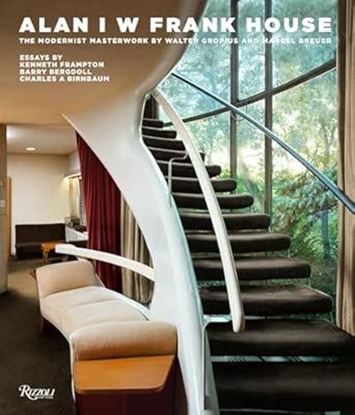
ALAN I W FRANK HOUSE: THE MODERNIST M.
The first book to feature this modernist masterpiece, one of Walter Gropius and Marcel Breuer's most important residential commissions.
Offering a rare opportunity to explore the largest and most luxurious house designed by Walter Gropius, founder of the Bauhaus, and Marcel Breuer, leading architect and furniture designer of the twentieth century, this beautifully designed volume celebrates the Alan I W Frank House in Pittsburgh, Pennsylvania.
Built in 1939-40, the house embodies the Bauhaus "total work of art" philosophy, with Gropius and Breuer having designed every aspect of the building and its site. Illustrations including new and archival images and the architects' plans and sketches highlight an exquisite balance of proportions and colors. Accompanying essays place this house firmly within the American modernist canon just as the Bauhaus celebrates its one-hundreth anniversary in 2019.
4,500