

2,300
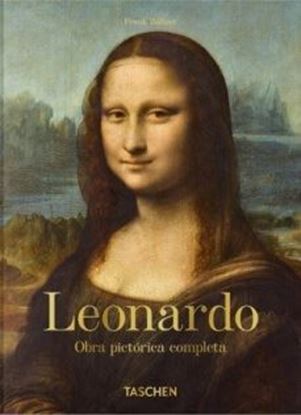
LEONARDO. OBRA PICTORICA (45TH) (E)
Uno de los seres humanos más brillantes jamás conocidos, Leonardo sigue siendo el genio del Renacimiento por excelencia. Compañero perfecto de la edición Leonardo da Vinci. Obra gráfica, este libro es un catálogo razonado de todas las obras maestras pictóricas del artista, tanto supervivientes como perdidas, desde la Mona Lisa a La última cena.
2,300
2,200
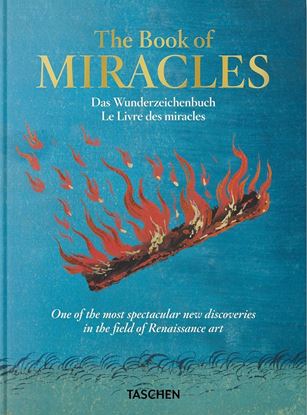
THE BOOK OF MIRACLES. 45TH ED. (INT)
The Book of Miracles first surfaced several ago and is one of the most spectacular discoveries in the field of Renaissance art. The near-complete illustrated manuscript, created in Augsburg around 1550, is composed of 169 pages of large-format illustrations in gouache and watercolor, depicting wondrous and often eerie phenomena.
The mesmerizing images deal with both biblical and folkloric tales, depicting stories from the Old Testament and Book of Revelation as well as events that took place in the immediate present of the manuscript’s author. From shooting stars to swarms of locusts, terrifying monsters to fatal floods, page after page hypnotizes with visions alternately dreadful, spectacular, and even apocalyptic.
2,200

1,650
YOKO
La nueva biografía de Sheff sobre Yoko Ono, la artista de 92 años y viuda de John Lennon, argumenta convincentemente su relevancia como feminista, activista, innovadora vanguardista y una descarada de clase mundial. Sheff—prolífico periodista y autor que realizó una de las últimas entrevistas significativas con John y Yoko para Playboy, y posteriormente se hizo amigo de ella—ha escrito lo más cercano a una biografía autorizada que el mundo puede encontrar. El libro es sustancioso y, como era previsible, compasivo pero no adulador, escrito principalmente con una prosa directa que sugiere que la compasión está plenamente justificada por una figura que no solo fue desestimada sino demonizada.
1,650
1,995
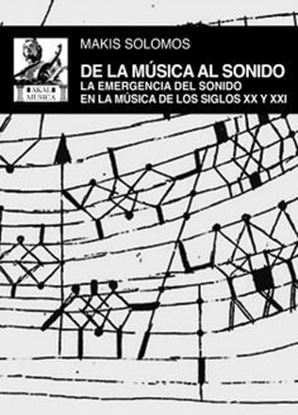
DE LA MUSICA AL SONIDO
Partiendo de seis historias paralelas, el presente libro constituye una historia plural y original de la nueva música, que muestra cómo se ha producido un cambio de paradigma mediante un desplazamiento del núcleo: estamos pasando de una cultura musical centrada en la tonalidad a una cultura del sonido.
Cada capítulo se centra en una de esas historias: el timbre, una categoría central en la composición musical; el potencial musical del ruido; la escucha, cuyo conocimiento da acceso al sonido en el sentido más amplio del término; la inmersión sonora; la sustitución de la composición «del» sonido por la composición «con» sonidos, y el espacio, que progresivamente se percibe como algo componible.
De Debussy a la música de los comienzos del siglo XXI, del rock a la electrónica, de los objetos sonoros de la primera música concreta a la música electroacústica actual, este libro ofrece una original y novedosa perspectiva de la emergencia del sonido como eje vertebrador de la creación musical.
1,995
1,700
1,350
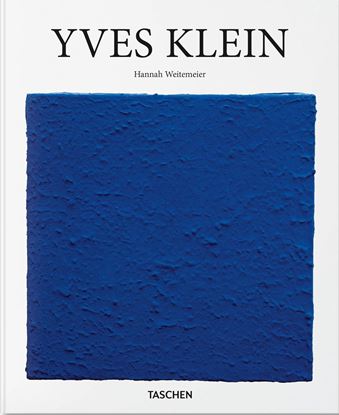
YVES KLEIN (BA-ART) (E)
Ese azul…
El artista a quien se le debe el azul de ultramar
A mediados de la década de 1950, Yves Klein (1928-1962) declaró que “un mundo nuevo exige un hombre nuevo”. Su peculiar estilo idiosincrático y su gran carisma llevaron a este audaz artista a desarrollar una breve pero fructífera carrera, pues pintó más de mil cuadros en un periodo de siete años, cuadros que hoy se consideran clásicos del arte moderno de posguerra.
Klein se labró un nombre sobre todo con sus lienzos monocromos de gran formato pintados con el tono de azul que él mismo patentó. El International Klein Blue (IKB), compuesto de pigmento puro y un aglutinante, es a un tiempo denso y luminoso, evocador y decorativo, y Klein lo concibió para evocar la cualidad inmaterial e infinita del mundo. Las obras de esta revolución azul parecen transportarnos a otra dimensión, como si cayéramos hipnotizados por un cielo de verano perfecto.
1,350