



1,550
LOS 90 EN 90 CANCIONES (O MAS)
Los 90 fueron una época caótica, descarnada y tremendamente mágica para la música. Grandes estrellas, nuevas maneras de crear, estilos diversos: del grunge al hiphop, del suntuoso rythm and blues al disonante ska, de Britney Spears a Radiohead, de las Spice Girls a Sinéad O'Connor o de Blur a Nirvana.
Mezclando los ritmos como si nos lanzase a una enorme pista de baile, en Los 90 en 90 canciones (o más) el periodista musical Rob Harvilla revisita los empalagosos, pegadizos e icónicos hits de la generación X, en un relato que combina la solidez narrativa y el análisis agudo a un ritmo vertiginoso.
1,550
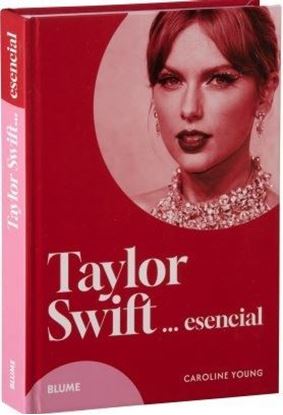
850
TAYLOR SWIFT... ESENCIAL
El ascenso meteórico de Taylor Swift al estrellato es la historia de este siglo.
Taylor ha dominado la industria musical desde sus inicios como sensación adolescente de la música country hasta convertirse en un fenómeno global del pop.
Es la primera mujer con cuatro álbumes en el Top Ten de la lista Billboard de forma simultánea, y ha recibido catorce Grammy Awards y cuarenta American Music Awards.
850

1,450
MONSTRUOS Y DEMONIOS EN EL ARTE
Miedo, pero fascinación; espanto, pero atracción. Nuestra relación con los monstruos es dual y contradictoria desde el inicio de los tiempos y precisamente por eso tantos artistas decidieron plasmar sus peores pesadillas y las causas de tanto horror en innumerables obras. Algunas de las más emblemáticas y oscuras están dentro de este libro. Pasar las páginas de este libro es un acto de valor, aunque todos sabemos lo seductor que puede ser el peligro.
1,450

1,100
PEQUEÑO LIBRO DE GIVENCHY
* Desde que Audrey Hepburn desayunó frente al escaparate de Tiffany con un vestido negro, Givenchy ha sido el faro que guía la alta costura. * Mujeres tan diferentes como Jackie Kennedy, la duquesa de Sussex, Elizabeth Taylor o Kendall Jenner se han rendido a sus líneas limpias y cómodas, a sus siluetas clásicas y femeninas, al romanticismo y la sofisticación de vestir el estilo Givenchy. * Este libro explora la historia de la firma, desde su colección debut de 1952 hasta las propuestas tan modernas como atemporales de los últimos años. Exquisitamente ilustrado, con fotografías que muestran la cuidada selección de diseños, detalles e hitos, el mundo de Givenchy desfila a lo largo de estas páginas en todo su esplendor. «Dar vida a un tejido es algo fabuloso: lograr que algo se mueva bien, la armonía del color». Hubert de Givenchy
1,100

1,995
ATLAS DE LUGARES IMAGINADOS
Una impresionante recopilación de geografía y topografía ficticias, extraídas de los libros, películas y producciones televisivas favoritos del público. Un caleidoscopio de edificios inventados, pueblos, países, bosques, montañas, ríos y océanos, naufragios y ciudades sumergidas que cobra vida en estos hermosos mapas ilustrados. Descubra los paisajes legendarios de la Atlántida o El Dorado, atraviese las tundras heladas de Arendelle o dese un (rápido) chapuzón en las cálidas aguas de Amity Island. Pasee por las calles de Metropolis, Erinsborough, Walford o Springfield, y deténgase a admirar los imponentes chapiteles de Downton Abbey y Hogwarts por el camino.
1,995
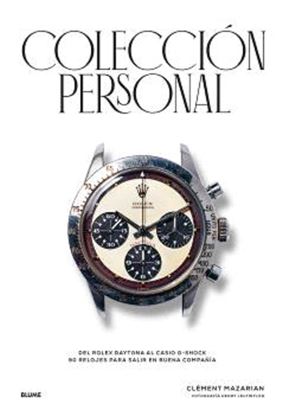
2,900
COLECCION PERSONAL
Relojes mecánicos, cronógrafos, de buceo y de cuarzo: un recorrido por la historia de la relojería a través de 90 modelos emblemáticos. * Desde los primeros relojes de pulsera hasta los relojes de cuarzo, todos tienen un interés histórico, mecánico o meramente estético. * Un viaje a través de las épocas y las diferentes complicaciones de la relojería. Siglos, incluso milenios, de innovación técnica han llevado a la creación de los relojes tal y como los conocemos hoy. Complejos y estéticos, son obra de artesanos muy cualificados y con un saber hacer excepcional. Pero ¿qué sentido tienen los relojes mecánicos en la era de los smartwatches? ¿Por qué nos fascinan? Tal vez sea porque, junto con la ropa, son los objetos más íntimos de nuestras vidas. Quizá también sea porque algunos han protagonizado extraordinarias aventuras humanas. Acaso porque otros nunca habrían visto la luz sin la perseverancia y la imaginación de grandes personalidades. ¿Somos realmente los dueños de un reloj o nos limitamos a transmitírselo a las generaciones venideras? Pese a las cicatrices que el tiempo les haya dejado, la mayoría de los modelos que figuran en este libro nos sobrevivirán. De hecho, la mayoría de ellos son relojes antiguos, con pátina, oxidados, imperfectos, simplemente vividos.
2,900