8,500
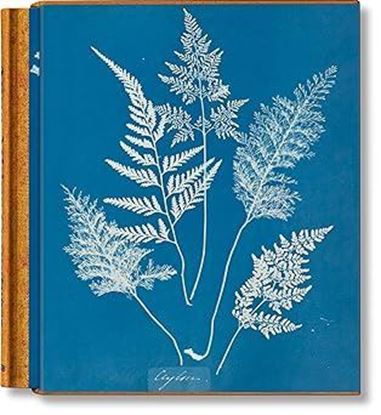
ANNA ATKINS. CYANOTYPES (CL) (INT)
At the dawn of the Victorian era in her open-air laboratory in Halstead, Kent, Anna Atkins embarked on a radical experiment to document botanical species using a completely new artistic medium. The inimitable cyanotype photograms of algae and ferns she created were made into the first books to feature photographic images. Striking yet ethereal, these albums are a perfect synthesis of art and science.Although the cyanotype technique was discovered by her friend John Herschel, Atkins was the first to realize both its practical purpose for own her interests in botany and taxonomy, and its intriguing artistic potential.
8,500

1,350
MAX ERNST (BA-ART) (E)
Max Ernst (1891-1976) transformó todo lo que tocó con una originalidad artística sin igual. Se convirtió en una de las figuras más importantes del dadaísmo y del surrealismo que ensanchó las fronteras del arte y rompió con la visión limitada de la cultura de su tiempo. Impulsado por la reacción a los horrores de la Primera Guerra Mundial, se convirtió en un pionero del movimiento dadaísta. La cancelación de la famosa exposición dadá en Colonia por “obscenidad” llevó a Ernst a pasar el resto de su vida en París, donde entró en contacto con los surrealistas.Por encima de todo, Ernst destaca por la variedad de estilos y técnicas que empleó. Su obra abarca desde la pintura, el dibujo y la escultura, pasando por textos y escenografías, hasta novelas de collage y el desarrollo de su propia técnica de frottage. Durante la Segunda Guerra Mundial, Ernst, como muchos de sus colegas, se convirtió en un “extranjero indeseable” y se vio obligado a emigrar, aunque regresó a Francia después de la guerra. Siguió desarrollando una carrera que abarcó décadas, y en 1954 recibió el Gran Premio de Pintura en la Bienal de Venecia.Este libro es un viaje por la magia, la intensidad y la fantasía. Es una puerta de entrada a la mente y el mundo complejo de Max Ernst.
1,350
2,300
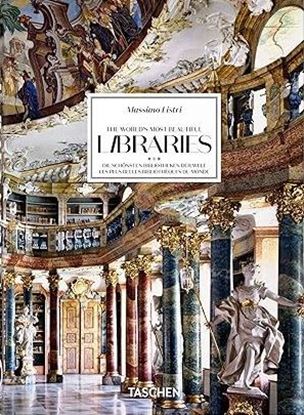
M.L. THE WORLDS MOST B. LIBRARIES (45)(I
From the mighty halls of ancient Alexandria to the coffered ceilings of the Morgan Library in New York, human beings have had a long, enraptured relationship with libraries. Like no other concept and like no other space, the collection of knowledge, learning, and imagination offers a sense of infinite possibility. It’s the unrivaled realm of discovery, where every faded manuscript or mighty clothbound tome might reveal a provocative new idea, a far-flung fantasy, an ancient belief, a religious conviction, or a whole new way of being in the world.In this new photographic journey, Massimo Listri travels to some of the oldest and finest libraries to reveal their architectural, historical, and imaginative wonder. Through great wooden doors, up spiraling staircases, and along exquisite, shelf-lined corridors, he leads us through outstanding private, public, educational, and monastic libraries, dating as far back as 766. Between them, these medieval, classical, baroque, rococo, and 19th-century institutions hold some of the most precious records of human thought and deed, inscribed and printed in manuscripts, volumes, papyrus scrolls, and incunabula. In each, Listri’s poised images capture the library’s unique atmosphere, as much as their most prized holdings and design details.Featured libraries include the papal collections of the Vatican Apostolic Library and the Trinity College Library, home to the Book of Kells and Book of Durrow. With meticulous descriptions accompanying each featured library, we learn not only of the libraries’ astonishing holdings—from which highlights are illustrated—but also of their often lively, turbulent, or controversial pasts. Like the Franciscan monastery in Lima, Peru, with its horde of archival Inquisition documents.At once a bibliophile beauty pageant, an ode to knowledge, and an evocation of the particular magic of print, Massimo Listri. The World’s Most Beautiful Libraries is above all a cultural-historical pilgrimage to the heart of our halls of learning, to the stories they tell, as much as those they gather in printed matter along polished shelves.
2,300
200
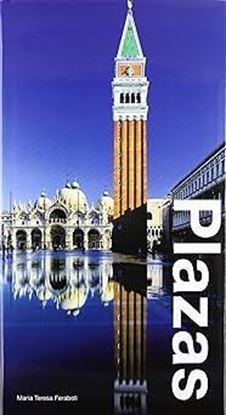
PLAZAS
La Plaza, feliz combinación de arquitectura y urbanismo.Un extraordinario viaje por el `Gran archivo de piedra de una comunidad`. La Plaza ha sido una de la más genuina expresión de la libertad de la comunidad, del poder religioso de la iglesia y de la fuerza de los comerciantes y mercaderes...etc. Este libro recoge las mejores fotografías de diferentes Plazas de Europa, América, Asia y Oceania.
200
1,500
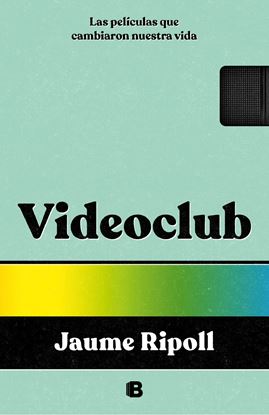
VIDEOCLUB. LAS PELICULAS QUE CAMBIARON
Esta es la historia de un niño con sobrepeso y acné que se despertaba de madrugada para ver películas.
Esta también es la historia del padre de ese niño, propietario de videoclubs, coleccionista de VHS y el hombre que pensaba que la mejor educación para su hijo era el cine.
Esta es la historia de cómo el cine puede cambiar nuestras vidas y hacerlas mejores.
Jaume Ripoll, cofundador de Filmin -una de las plataformas de cine más prestigiosas de los últimos tiempos- nos relata en este libro su historia de amor incondicional con el séptimo arte. De su mano, volveremos a los videoclubs de barrio en un recorrido nostálgico y fascinante lleno de anécdotas y recomendaciones que nos harán (re)descubrir y recuperar las obras imprescindibles que marcaron varias generaciones.
«He hecho un viaje de espectador a distribuidor, del placer al trabajo, y ahora escribo este libro con la esperanza de que restaure parte de la ilusión perdida y permita al lector descubrir y recuperar obras que posiblemente han significado tanto en su vida como lo han hecho en la mía. Al fin y al cabo, el cine es una experiencia solitaria que se disfruta en compañía».
1,500
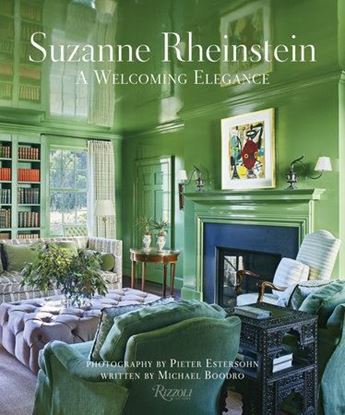
2,995
SUZANNE RHEINSTEIN
Over the past decade, celebrated style maker Suzanne Rheinstein has achieved an unprecedented level of refinement and clarity. Her love of objects from the past remains a touchstone, but in her newest rooms, stylish modernity and an elegant simplicity hold sway.
Presented are beautifully photographed homes of clients Suzanne Rheinstein has worked with before that reflect a vision of richness tempered by restraint. Her longtime fans will find new inspiration in these pages. Throughout, she shares her ideas of how to live in a relaxed way surrounded by artworks and personal collections. A traditional Georgian library is done in a totally untraditional lacquered green, while a San Francisco town house revamp includes a “California” room filled with Moroccan rugs and rattan chairs, and a serene retreat has a guesthouse evocative of the bohemian 1970s.
2,995