

1,995
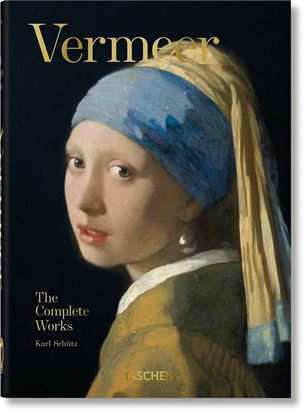
VERMEER. THE COMPLETE WORKS (40) (GB)
Despite numbering at just 35, his works have prompted a New York Times best seller; a film starring Scarlett Johansson and Colin Firth; record visitor numbers at art institutions from Amsterdam to Washington, DC; and special crowd-control measures at the Mauritshuis, The Hague, where thousands flock to catch a glimpse of the enigmatic and enchanting Girl with a Pearl Earring, also known as the “Dutch Mona Lisa”.
In his lifetime, however, the fame of Johannes Vermeer (1632–1675) barely extended beyond his native Delft and a small circle of patrons. After his death, his name was largely forgotten, except by a few Dutch art collectors and dealers. Outside of Holland, his works were even misattributed to other artists. It was not until the mid-19th century that Vermeer came to the attention of the international art world, which suddenly looked upon his narrative minutiae, meticulous textural detail, and majestic planes of light, spotted a genius, and never looked back.
This 40th anniversary edition showcases the complete catalog of Vermeer’s work, presenting the calm yet compelling scenes so treasured in galleries across Europe and the United States into one monograph of utmost reproduction quality. Crisp details and essays tracing Vermeer’s career illuminate his remarkable ability not only to bear witness to the trends and trimmings of the Dutch Golden Age but also to encapsulate an entire story in just one transient gesture, expression, or look.
1,995

2,200
CASE STUDY HOUSES 1945-1966 (45TH) (INT)
The Case Study House program (1945–1966) was an exceptional, innovative event in the history of American architecture and remains to this day unique. The program, which concentrated on the Los Angeles area and oversaw the design of 36 prototype homes, sought to make available plans for modern residences that could be easily and cheaply constructed during the postwar building boom.
The program’s chief motivating force was Arts & Architecture editor John Entenza, a champion of modernism who had all the right connections to attract some of architecture’s greatest talents, such as Richard Neutra, Charles and Ray Eames, and Eero Saarinen. Highly experimental, the program generated houses that were designed to redefine the modern home, and had a pronounced influence on architecture―American and international―both during the program’s existence and even to this day.
TASCHEN brings you a retrospective of the entire program with comprehensive documentation, brilliant photographs from the period and, for the houses still in existence, contemporary photos, as well as extensive floor plans and sketches.
2,200

500
COMO SHOSTAKOVICH ME SALVO LA VIDA(OF2)
Stephen Johnson, compositor, dirige en la BBC un programa de música clásica y explora en este texto cómo la música de Shostakovich se fue gestando bajo la época del Terror de Stalin, y cómo logró dar forma a los miedos y esperanzas de un pueblo castigado por la guerra y la historia. Johnson escribe sobre el poder terapéutico de la música para quienes padecen desórdenes mentales y cuenta cómo la música de Shostakovich le insufló a él mismo una fuerza insospechada en su lucha contra el trastorno bipolar. El texto enlaza episodios autobiográficos con entrevistas realizadas a músicos rusos coetáneos de Shostakovich y con reflexiones sobre la particular lectura que hace Johnson de filósofos, psicoanalistas y neurólogos, hasta dibujar ante nosotros una imagen profunda y convincente de cómo la música concebida por una persona encierra el hechizo que permite salvar la vida de otra persona.
500
995
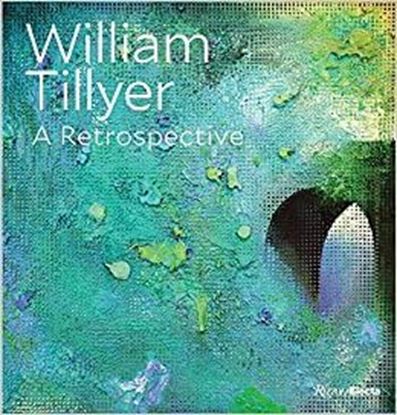
WILLIAM TILLYER. A RETROSPECTIVE (OF3)
The extraordinary paintings and watercolors of this contemporary British abstract artist, deeply influenced by the romantic English landscape tradition of Constable and Turner.
This is the first major look at the work of the renowned yet intensely private and reclusive artist William Tillyer (b. 1938), best known for his abstract oil paintings, watercolors, and prints. Tillyer’s skill and hugely varied body of work make him one of Britain’s most respected artists, in the same generation as Lucian Freud and David Hockney. Tillyer is finally getting the recognition he deserves.
While Tillyer’s paintings are largely abstract, they are based on the landscape of North Yorkshire, where he has lived and worked for most of his life. The book covers Tillyer’s experiments with nontraditional materials and techniques—his 3D panels, cut canvases, constructed works with found objects, printmaking with a wide range of processes, and paintings on wire mesh.
995
4,200
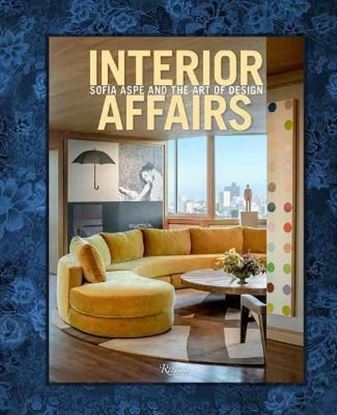
INTERIOR AFFAIRS
This is the second monograph, and first with Rizzoli, in English dedicated to this prominent Mexican interior designer. Richly illustrated, it captures Aspe s unique and eclectic style, where modern and contemporary unite in a harmonious mixed equilibrium of approaches and eras, generating spaces filled with timeless character. The book s visual narrative provides a comprehensive and intimate view of the designer and her work. Superbly photographed, Aspe s projects are showcased one after another in a bold and innovative design, alternated with brief booklets providing an intimate perspective about the designer and her sources of inspiration. These booklets are further enriched with quotes from the designer about her work, her creative process, and the backstage thinking that leads to the final design outcome. This exquisite book offers a glimpse into the process of Aspe s world of interiors, from the international artists and local artisans she works with, to her country s radiant colours and picturesque charm and her global reach. Reflective of Aspe s exceptional creativity, this beautifully packaged book will feature a cloth cover with a printed textile. This collection of private interiors is a must-have for the curious, admirers of contemporary design, and art collectors.
4,200
1,500
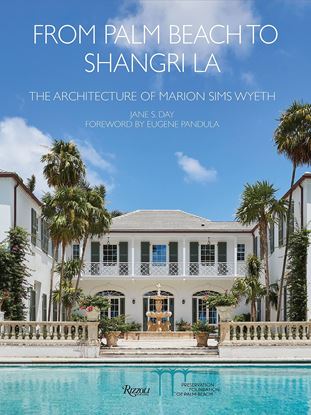
FROM PALM BEACH TO SHANGRI LA
Beauty and elegance mingle with extravagance in the Palm Beach style of architect Marion Sims Wyeth, a kind of home design that takes the standard fixtures of paradise palm trees, ebullient fountains, glistening pools and gardens, views of the sea and mixes them with a dash of the exotic a Moorish-style balcony or doorway, Venetian archways, fanciful courtyards in the Spanish style, and spiralling staircases in stone and iron. Featured here are the legendary abodes of Marjorie Merriweather Post and Doris Duke Mar-a-Lago and Shangri La, respectively as well as the less well known but equally spectacular Hogarcito and La Claridad, to name but a few. For those unfamiliar with these dream palaces, intimate homes of repose and reflection, for the enjoyment of life and the living of it, the book serves at once as a revelation and an inspiration.
1,500