
5,700
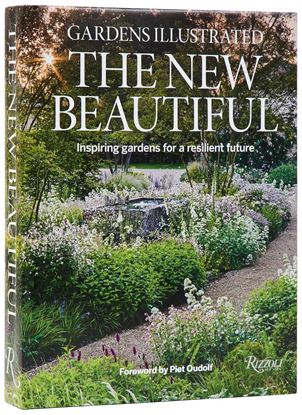
GARDES ILLUSTRATED: THE NEW BEATIFUL
Gardens Illustrated is today’s most popular gardening periodical, thanks to its lavishly photographed features on contemporary, forward-thinking gardens that focus on irresistible plants and clever designs. Through these gardens, each selected by the magazine’s editors for a truly exceptional trait, readers will visit the best new gardens from the United States, United Kingdom, and around the world. The scales range from small city spaces aiming to bring biodiversity deep into the built environment to country estates photographed with a new lens on ecology and sustainability, and were created by today’s top garden designers, including Andrea Cochran, Arabella Lennox-Boyd, Peter Korn, Dan Pearson, Andy Salter, Tom Stuart-Smith, Andy Sturgeon, Urquhart & Hunt, and Keith Wiley.
5,700
4,995
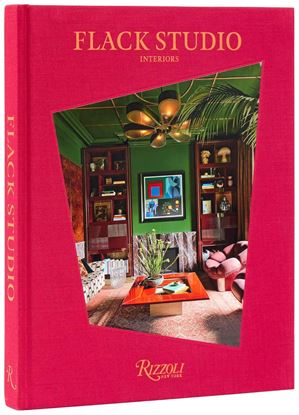
FLACK STUDIO, INTERIORS
The arrival, in 2021, of Australian global pop star Troye Sivan’s richly layered Melbourne home introduced the world to Flack Studio, a wildly creative, multidisciplinary practice of designers and architects well established in Australia. Launched in 2014, the studio is driven by an adventurous sensibility that embraces historical research and contemporary innovation.
Furniture, lighting, textiles, fittings, and vivid colour coalesce into a holistic yet idiosyncratic experience. A deep sense of materiality, a passion for contemporary art, and an embrace of local community and makers are hallmarks of Flack’s projects, which include homes and restaurants throughout Australia, Los Angeles, Seoul and the Ace Hotel in Sydney.
4,995

6,500
DIOR BY YURIKO TAKAGI
A unique collection of photographs by Yuriko Takagi, showcasing her poetic and surrealist look at Dior haute couture creations.
An important addition to the library of leading artistic photographers working to interpret the fashion house’s oeuvre. Takagi is an icon of Japanese photography, her enchanting and otherworldly images are built with a unique and careful consideration of shadows, the result of a career-long contemplation of natural light—a theme that plays a pivotal role in her work for Dior.
This book features exclusive shootings by Takagi of the most emblematic Dior haute couture designs. Takagi delivers her personal reinterpretation of the essence of Dior, opening a profound dialogue between her artistic conception and the codes of the House. Her photographs capture an ephemeral, intangible quality of the subjects, and her signature technique of layering images, in this case of flowers and architectural motifs over toiles of dresses and models, creates a dreamlike atmosphere. The result is a collection of great poetry, a surrealist promenade through Dior’s eras, and a unique observation of the inventiveness of the House over the decades.
6,500
3,995
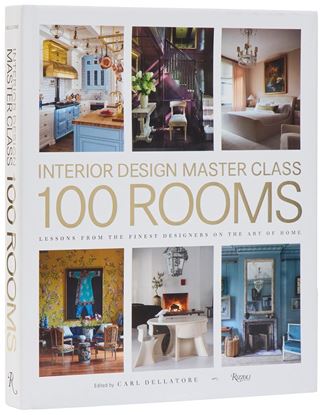
INTERIOR DESIGN MASTER CLASS: 100 ROOMS
Everyone wants a stylish home, but with so much information available, how does one begin to put it all together? EnterInterior Design Master Class: 100 Rooms. The designers who’ve created the remarkable spaces in this volume individually explain in their own words the framework for the success of each room. The spaces featured in the book are broken down by type of room, including Gathering (media and family rooms), Transitional (porches and entryways), Respite (bedrooms and sitting rooms), Entertaining (dining rooms and bars), and Utility (kitchens, baths, and mudrooms). In each category, the multiple examples by designers well known from their appearances in Architectural Digest, Elle Decor, and Southern Living explore a variety of topics. Katie Ridder uses her vibrant living room to write about establishing a successful palette. Suzanne Kasler writes about the importance of light in bedrooms. Frances Merrill of Reath Design shares her thoughts about kitchens. Mark Sikes contributes an essay on tables. Steven Gambrel writes about the color blue. Josh Greene expounds on the bath. Also featuring Bunny Williams, Robert Couturier, Heidi Caillier, Miles Redd and David Kaihoi, Nicole Hollis, and Corey Damen Jenkins, the book is an elegant guide to twenty-first-century living, room by room.
3,995

4,350
DESERT IMAGES
When first published, Desert Images was a watershed project in the nascent environmental movement—bringing together two titans of American literature and art in their heyday. Still resonating all these decades later, Muench’s evocative photography and Abbey’s fiery, poetic text remain an unsurpassed tribute to this extraordinary American landscape. Those who imagine that the desert is merely a monotonous vista of sand and rock will be surprised by the variety of landforms, plants, and other natural phenomena shown on these pages.
As Abbey wrote, “For some of those who have learned not only to live in but also to love the desert, it offers rewards greater than its visual appeal to the sense of beauty—the promise implicit in all that rugged wildness, that open, unfenced, untrammeled space—the sense of adventure, the reality of freedom, the hope of a refuge.” This photographic and literary passport to a great American wilderness will be treasured by all those who cherish the natural world.
4,350
1,995
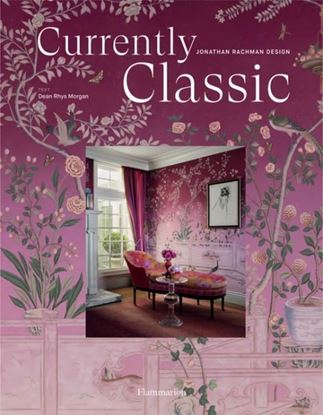
CURRENTLY CLASSIC
Jonathan Rachman's instantly classic designs come to life in vibrant and sumptuous color in this first monograph on the Sumatran-born, San Francisco-based interior decorator.
Interior decorator Jonathan Rachman opens the doors to his universe in this volume illustrating his eclectic, vividly colorful, and markedly refined style, through various projects undertaken for prestigious clients.
Born on the island of Sumatra in Indonesia, trained in Switzerland, and today based out of San Francisco, Rachman injects his projects with his own wide-reaching, worldly experience, his explorations into provincial flea markets, and his taste for textiles, leather goods, handicrafts, and art objects. In each of his designs, he combines the best materials from the East and the West, devising personalized plans for his clients and creating a timeless approach to interior design.
With a lively color palette, luxurious materials, and an incredible attention to detail, Rachman has received multiple awards and acclaim for his work from renowned publications such as Vogue, Elle, and Harper's Bazaar.
1,995