2,700
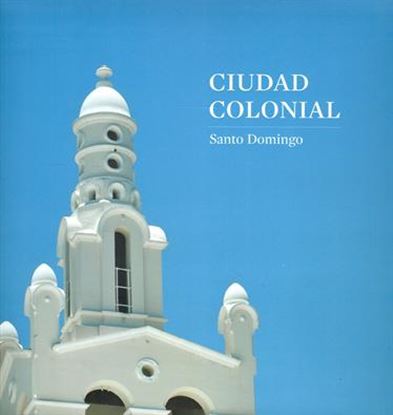
CIUDAD COLONIAL. SANTO DOMINGO (TD)
Aunque Santo Domingo es la ciudad más grande del Caribe, su esencia vital aún late en su centro histórico: la Zona Colonial. Llegando desde el este, vislumbras sus murallas en la orilla opuesta del río Ozama, levantadas entre la ribera y el mar agitado. Desde hace más de 500 años, a través de esta antigua colonia europea en América, la historia no ha dejado de soplar - suavemente como los vientos alisios, o con la furia de un huracán. A diferencia de las zonas de patrimonio histórico de otros países, que suelen verse como zonas-mu-seos, la Zona Colonial está en permanente cambio. Seas dominicano o viajero, siempre la descubres por vez primera. Pero paradójicamente, tan pronto paseas por sus calles estrechas, sientes que has vivido toda la vida en este lugar. Que desde hace décadas pasas por delante de estas fachadas derruidas con su azul vuelto gris y su ocre desteñido en blanco. Que las fachadas han sido agrietadas y manchadas por siglos de soles llameantes y lluvias torrenciales; que heléchos tenaces brotan de las grietas en los muros medio en ruinas. Aquí y allá, un balcón de hierro forjado cuelga tan torcido como los borrachos que deambulan abajo en la calle. Colmados que caben en un bolsillo se esparcen entre sinuosos callejones: sus mostradores de madera como bares improvisados, donde los vecinos hacen cuentos bajo la estridencia de las melodías caribeñas. Prosiguiendo el paseo, llegas a tranquilas plazas arboladas, para luego atravesar iglesias góticas y renacentistas, o nobles casas hechas de piedra coralina. Una Roma tropical te rodea, cargada de buganvillas y enredaderas de flores de trompeta. Te maravillarás ante los arcos, las columnas, las naves abovedadas, los palacios; pero también disfrutarás de los hogares mas modestos, con sus alegres colores y sus chucherías de plástico, claramente visibles desde la acera. Si te detienes ante una ventana abierta, alguien te invitará a entrar. ¡Hola! ¿Qué hay? ¡Cuánto tiempo! ¿Está visitando de nuevo? ¿O es que nunca se fue? Hoyt Rogers, Traducido por Frank Báez
2,700

2,900
COLECCION PERSONAL
Relojes mecánicos, cronógrafos, de buceo y de cuarzo: un recorrido por la historia de la relojería a través de 90 modelos emblemáticos. * Desde los primeros relojes de pulsera hasta los relojes de cuarzo, todos tienen un interés histórico, mecánico o meramente estético. * Un viaje a través de las épocas y las diferentes complicaciones de la relojería. Siglos, incluso milenios, de innovación técnica han llevado a la creación de los relojes tal y como los conocemos hoy. Complejos y estéticos, son obra de artesanos muy cualificados y con un saber hacer excepcional. Pero ¿qué sentido tienen los relojes mecánicos en la era de los smartwatches? ¿Por qué nos fascinan? Tal vez sea porque, junto con la ropa, son los objetos más íntimos de nuestras vidas. Quizá también sea porque algunos han protagonizado extraordinarias aventuras humanas. Acaso porque otros nunca habrían visto la luz sin la perseverancia y la imaginación de grandes personalidades. ¿Somos realmente los dueños de un reloj o nos limitamos a transmitírselo a las generaciones venideras? Pese a las cicatrices que el tiempo les haya dejado, la mayoría de los modelos que figuran en este libro nos sobrevivirán. De hecho, la mayoría de ellos son relojes antiguos, con pátina, oxidados, imperfectos, simplemente vividos.
2,900
900
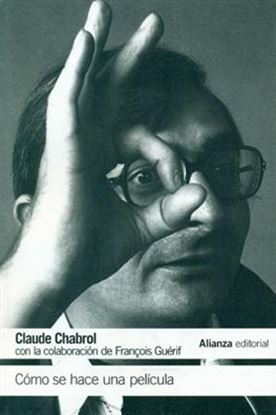
COMO SE HACE UNA PELICULA
Fruto de una serie de entrevistas entre Claude Chabrol y Francois Guérif, este breve compendio realiza un repaso integral al proceso de Cómo se hace una película. Matizado en todo instante por la ácida y personal visión del director de El bello Sergio, El carnicero, El grito de la lechuza, La ceremonia o La flor del mal, el contenido de estas páginas toca desde los primeros pasos de la aventura que supone toda realización cinematográfica -la elección del tema, la escritura del guión, la búsqueda de un productor- hasta los últimos -la explotación y recepción del film-, pasando, naturalmente, por todos los problemas y detalles que lleva aparejados el rodaje, incluyendo la dirección de actores, las cuestiones técnicas y la función de cada uno de los que en aquél participan.
900
500
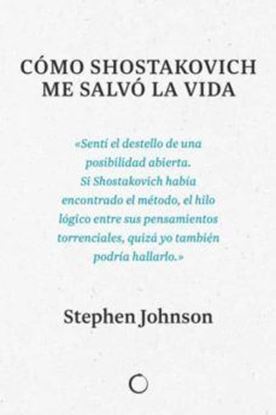
COMO SHOSTAKOVICH ME SALVO LA VIDA(OF2)
Stephen Johnson, compositor, dirige en la BBC un programa de música clásica y explora en este texto cómo la música de Shostakovich se fue gestando bajo la época del Terror de Stalin, y cómo logró dar forma a los miedos y esperanzas de un pueblo castigado por la guerra y la historia. Johnson escribe sobre el poder terapéutico de la música para quienes padecen desórdenes mentales y cuenta cómo la música de Shostakovich le insufló a él mismo una fuerza insospechada en su lucha contra el trastorno bipolar. El texto enlaza episodios autobiográficos con entrevistas realizadas a músicos rusos coetáneos de Shostakovich y con reflexiones sobre la particular lectura que hace Johnson de filósofos, psicoanalistas y neurólogos, hasta dibujar ante nosotros una imagen profunda y convincente de cómo la música concebida por una persona encierra el hechizo que permite salvar la vida de otra persona.
500
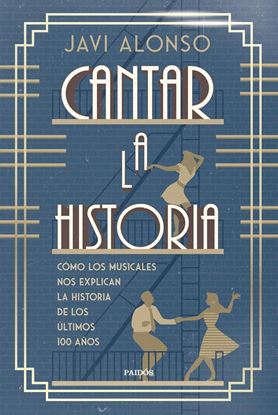
1,900
CONTAR LA HISTORIA
Un recorrido apasionado y entretenido por los grandes musicales de nuestra era en el que descubriremos lo que realmente nos cuentan sobre raza, género, poder y deseo.
¿Qué tienen en común Wicked, Cats o West Side Story? Que no solo nos han hecho cantar, sino también repensar el mundo (aunque no nos hayamos dado cuenta).
Cantar la historia es una historia cultural muy poco convencional: una que se canta, se baila y se analiza con tanta pasión como ironía ácida. A través de nueve musicales que han marcado la historia reciente, Javi Alonso, brillante divulgador y amante del teatro musical, nos invita a un viaje en el que nos mostrará cómo estas obras reflejan temas como las masculinidades, el racismo, lo queer o la memoria histórica. Desde la violencia mal dirigida de West Side Story hasta la catástrofe digital de la película de Cats, pasando por la moral de las protagonistas de Wicked, el autor mezcla análisis cultural, anécdotas personales y un afilado humor para desmontar la idea de que los musicales son solo evasión y fantasía.
El resultado es un ensayo pop que reivindica el teatro musical como uno de los grandes narradores de nuestro tiempo. Porque sí, a veces la historia se canta, hasta ocho veces por semana en cada teatro.
1,900

1,750
CONVERSACIONES CON GRANDES FIGURAS DE LA
De música, por supuesto sus inicios, referencias y maestros, sus trabajos, pero también de otros asuntos más personales sus miedos y sueños y universales amor, drogas, política, religión, muerte es de lo que el autor de este libro, reconocido periodista cultural con varias biografías de estrellas de la canción española en su haber, ha conversado a lo largo de tres décadas con los 40 grandes músicos e intérpretes que lo protagonizan.
1,750