
900
GIGANTES DEL CINE
De Paul Newman a Clark Gable, de Elizabeth Taylor a Marlon Brando... este libro reúne a las grandes estrellas del celuloide que en un momento u otro de su carrera han logrado el reconocimiento oficial de la Academia de Hollywood y el aplauso entusiasta de los aficionados al cine. Cada intérprete está presentado con su correspondiente ficha técnica, una selección de lo mejor de su filmografía, un resumen de su trayectoria y un análisis del personaje o personajes gracias a los cuales han podido ocupar un lugar privilegiado en la historia del cine.
900
1,995
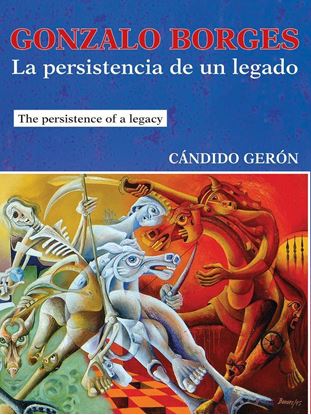
GONZALO BORGES. LA PERSISTENCIA DE UN L.
Libro biográfico de la vida y obra de Gonzalo Borges, realizado por el poeta y escritor Cándido Gerón.
1,995
1,500
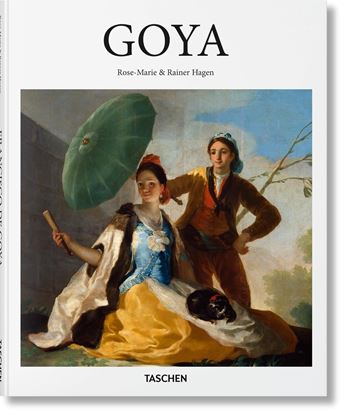
GOYA (BASIC ART SERIES 2.0)
From court portraits for the Spanish royals to horrific scenes of conflict and suffering, Francisco José de Goya y Lucientes (1746–1828) made a mark as one of Spain’s most revered and controversial artists. A master of form and light, his influence reverberates down the centuries, inspiring and fascinating artists from the Romantic Eugène Delacroix to Britart enfants terribles, the Chapman brothers.Born in Fuendetodos, Spain, in 1746, Goya was apprenticed to the Spanish royal family in 1774, where he produced etchings and tapestry cartoons for grand palaces and royal residences across the country. He was also patronized by the aristocracy, painting commissioned portraits of the rich and powerful with his increasingly fluid and expressive style. Later, after a bout of illness, the artist moved towards darker etchings and drawings, introducing a nightmarish realm of witches, ghosts, and fantastical creatures.It was, however, with his horrific depictions of conflict that Goya achieved enduring impact. Executed between 1810 and 1820, The Disasters of War was inspired by atrocities committed during the Spanish struggle for independence from the French and penetrated the very heart of human cruelty and sadism. The bleak tones, agitated brushstrokes, and aggressive use of Baroque-like light and dark contrasts recalled Velázquez and Rembrandt, but Goya’s subject matter was unprecedented in its brutality and honesty.In this introductory book from TASCHEN Basic Art 2.0 we set out to explore the full arc of Goya’s remarkable career, from elegant court painter to deathly seer of suffering and grotesquerie. Along the way, we encounter such famed portraits as Don Manuel Osorio Manrique de Zúñiga, the dazzling Naked Maja, and The 3rd of May 1808 in Madrid, one of the most heart-stopping images of war in the history of art.
1,500

2,500
GRANDES DISEÑADORES
Libro ilustrado que presenta la trayectoria y aportaciones de los diseñadores más influyentes en moda y creatividad contemporánea.
2,500

3,200

500
GREAT OUTDOORS (of3)
Introducing the first collection of art books with detachable prints to decorate your walls. Everything you need to create your own private gallery at home! A collection of landscapes and representations of nature from the tropical paradise of Le Douanier Rousseau's jungle to Monet's water lilies.
Each book contains a curated selection of twenty-one high-quality reproductions that can be easily removed from the book, framed in a standard-size frame, and displayed in the home. Step-by-step tips for grouping the works to create a harmonious gallery add an interior designer's touch to the ensemble. Graphic, colorful, or abstract; paintings, engravings, or drawings--each work of art is explained on the back of the print. Interesting details about the style of painting, the particular work of art, and biographical information about the artist are accompanied by a "frameable fact" that helps you understand the context of that particular work in the history of art. In addition, suggestions for where you can go to see additional examples of the artists' works allow the reader to expand his or her experience and learning.
Artists include Hokusai, Georgia O'Keeffe, Gustav Klimt, Rembrandt, Vincent van Gogh, Paul Cézanne, Claude Monet, Paul Gauguin, and Edward Hopper.
500