

1,500
CONTEMPORARY INTERIORS
An excellent addition to contemporary interiors category: a package of exceptional value combined with renowned author Philip Jodidio's exceptional eye, this book includes the most cutting-edge, effective, and appealing breakthroughs in home architecture within the past five years.
A stunning collection of outstanding works of contemporary residential architecture from around the world. Contemporary Interiors is the perfect source of inspiration for homeowners and architects alike.
1,500

1,995
CONTEMPORARY JAPANESE ARC. (45TH) (INT)
Japan's contemporary architecture has long been among the most inventive in the world, recognized for sustainability and infinite creativity. No fewer than eight Japanese architects have won the Pritzker Prize.
Since Osaka World Expo ’70 highlighted contemporary forms, Japan has been a key player in global architecture. Tadao Ando's geometry put Japanese building on the map, bridging East and West. After his concrete buildings, figures like Kengo Kuma, Shigeru Ban, and Kazuyo Sejima pioneered a more sustainable approach. Younger generations have taken new directions, in harmony with nature, traditional building, and an endless search for forms.
Presenting the latest in Japanese building, this book links this unique creativity to Japan's high population density, modern economy, long history, and continual disasters in the form of earthquakes. Accepting ambiguity, constant change, and catastrophe is a key to understanding how Japanese architecture differs from that of Europe or America.
1,995

1,750
CONVERSACIONES CON GRANDES FIGURAS DE LA
De música, por supuesto sus inicios, referencias y maestros, sus trabajos, pero también de otros asuntos más personales sus miedos y sueños y universales amor, drogas, política, religión, muerte es de lo que el autor de este libro, reconocido periodista cultural con varias biografías de estrellas de la canción española en su haber, ha conversado a lo largo de tres décadas con los 40 grandes músicos e intérpretes que lo protagonizan.
1,750

4,200
CULLMAN & KRAVIS: INTERIORS
Ceaseless in its pursuit to create “an alchemy of old and new,” the highly esteemed firm of Cullman & Kravis is renowned for its ability to fashion modern, cohesive, richly layered homes rooted in tradition and the respect for function and decoration. Utilizing their decades of experience, they build out rooms from the finest classical foundations, then infuse bold, stylish, and modish elements, mixing exquisite antiques with contemporary art to create truly dynamic spaces conceived to stand the test of time.
4,200
1,995
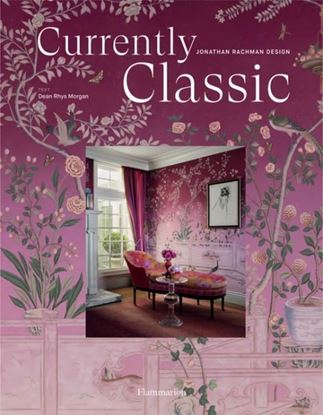
CURRENTLY CLASSIC
Jonathan Rachman's instantly classic designs come to life in vibrant and sumptuous color in this first monograph on the Sumatran-born, San Francisco-based interior decorator.
Interior decorator Jonathan Rachman opens the doors to his universe in this volume illustrating his eclectic, vividly colorful, and markedly refined style, through various projects undertaken for prestigious clients.
Born on the island of Sumatra in Indonesia, trained in Switzerland, and today based out of San Francisco, Rachman injects his projects with his own wide-reaching, worldly experience, his explorations into provincial flea markets, and his taste for textiles, leather goods, handicrafts, and art objects. In each of his designs, he combines the best materials from the East and the West, devising personalized plans for his clients and creating a timeless approach to interior design.
With a lively color palette, luxurious materials, and an incredible attention to detail, Rachman has received multiple awards and acclaim for his work from renowned publications such as Vogue, Elle, and Harper's Bazaar.
1,995
1,350
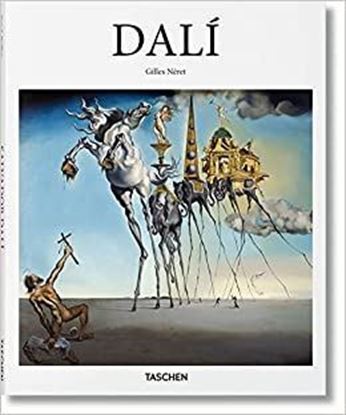
DALI (BA-ART) (GB)
Painter, sculptor, writer, filmmaker, and all-round showman Salvador Dalí (1904–1989) was one of the 20th century’s greatest exhibitionists and eccentrics. One of the first artists to apply the insights of Freudian psychoanalysis to art, he is celebrated in particular for his surrealist practice, with such conceits as the soft watches or the lobster telephone, now hallmarks of the surrealist enterprise, and of modernism in general.
Dalí frequently described his paintings as “hand-painted dream photographs.” Their tantalizing tension and interest resides in the precise rendering of bizarre elements and incongruous arrangements. As Dalí himself explained, he painted with “the most imperialist fury of precision,” but only “to systematize confusion and thus to help discredit completely the world of reality.”
Revolutionizing the role of the artist, the mustache-twirling Dalí also had the intuition to parade a controversial persona in the public arena and, through printmaking, fashion, advertising, writing, and film, to create work that could be consumed and not just contemplated on a gallery wall.
1,350