
6,500
DIOR BY YURIKO TAKAGI
A unique collection of photographs by Yuriko Takagi, showcasing her poetic and surrealist look at Dior haute couture creations.
An important addition to the library of leading artistic photographers working to interpret the fashion house’s oeuvre. Takagi is an icon of Japanese photography, her enchanting and otherworldly images are built with a unique and careful consideration of shadows, the result of a career-long contemplation of natural light—a theme that plays a pivotal role in her work for Dior.
This book features exclusive shootings by Takagi of the most emblematic Dior haute couture designs. Takagi delivers her personal reinterpretation of the essence of Dior, opening a profound dialogue between her artistic conception and the codes of the House. Her photographs capture an ephemeral, intangible quality of the subjects, and her signature technique of layering images, in this case of flowers and architectural motifs over toiles of dresses and models, creates a dreamlike atmosphere. The result is a collection of great poetry, a surrealist promenade through Dior’s eras, and a unique observation of the inventiveness of the House over the decades.
6,500
1,995
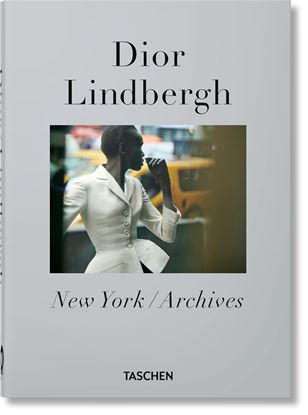
DIOR LINDBERGH (45TH) (INT)
Peter Lindbergh photographed Dior’s most exceptional muses, Marion Cotillard and Charlize Theron among them, and signed campaigns for Lady Dior and J'Adore with his inimitable style. Throughout his career, the photographer was one of the house’s closest collaborators. This final book was an original cocreation that was close to the artist’s heart―and to ours.
1,995

1,700
DISEÑO DE PROCESOS CREATIVOS
Trabajar en equipo es algo enormemente gratificante, pero también enormemente complejo. Tras muchos años de experiencia en la facilitación de procesos de creación en grupo, el autor ha sintetizado en este libro una eficaz metodología que sirve de guía para evitar los habituales puntos ciegos, errores, desequilibrios y amenazas que pueden obstruir el proceso y bloquear al equipo.
¿Qué debemos saber para co-crear con eficacia y disfrute? ¿Qué figuras o fases de ideación en equipo se dan en un proyecto? ¿Cómo evitar problemas habituales como las actitudes muy críticas, el recelo hacia las nuevas ideas, el conformismo o la falta de motivación del equipo?
1,700
1,250
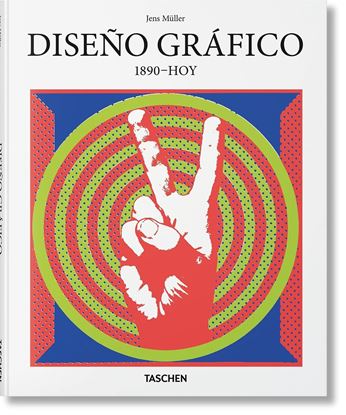
DISEÑO GRAFICO. 1890-HOY
A través de los turbulentos acontecimientos del último siglo y medio, el diseño gráfico ha destilado el espíritu de cada época con su síntesis vívida y ordenada de imagen e idea. Nos rodea en todo momento, ya sea en forma de embalajes minimalistas o de anuncios llenos de colorido, gráfica ambiental e interfaces elegantes: el diseño gráfico guarda relación tanto con el reflejo de las aspiraciones y los valores de la sociedad como con la transmisión de información.
Este vibrante compendio, que se publica ahora como parte de nuestra popular serie Basic Art, describe la evolución del diseño gráfico desde sus inicios en la década de 1890 hasta la actualidad. Con su amplio conocimiento de la disciplina, Jens Müller ha seleccionado cientos de ejemplos de todo el mundo, que se presentan organizados por décadas.
1,250
3,800
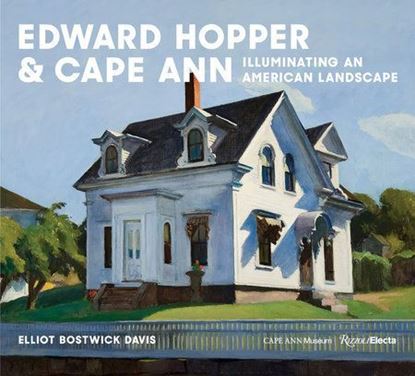
EDWARD HOPPER Y CAPE ANN
A fresh look at one of America’s best-known and beloved artists at a pivotal but little-known moment in his life that profoundly shaped both his art and career.
Edward Hopper & Cape Ann tells the largely ignored but significant origin story of Edward Hopper’s years in and around Gloucester, Massachusetts—a period and place that imbued Hopper’s paintings with a clarity and purpose that had eluded his earlier work. This volume focuses on summers Hopper spent there in the 1920s, starting in 1923, when he first embraced watercolor during outdoor painting excursions on Cape Ann and discovered one of his favorite subjects: houses and vernacular architecture. The success of Hopper’s Gloucester watercolors transformed his work in all media and set the stage for his monumental career.
Accompanying a major retrospective at the Cape Ann Museum, including an unprecedented loan of twenty-eight works from the Whitney Museum of American Art, this highly readable and beautifully illustrated volume reveals in great depth the lesser-known story about the influence of a young painter, Josephine Nivison, who became not only Hopper’s wife but also the most trusted force underlying his artistic confidence. Here she is recast as principal producer of Hopper’s distinctive style and his “brand” visionary from the time of their courtship until his death in 1967.
3,800
1,250
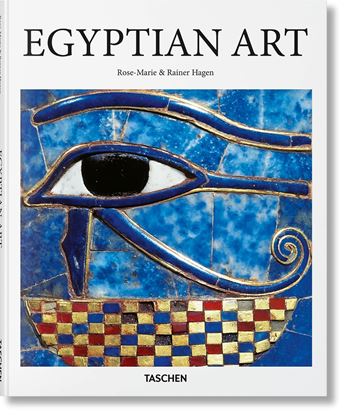
EGYPTIAN ART
The art of ancient Egypt that has been handed down to us bears no names of its creators, and yet we value the creations of these unknown masters no less than the works of later centuries, such as statues by Michelangelo or the paintings by Leonardo da Vinci. This book introduces some of the most important masterpieces, ranging from the Old Kingdom during the Third millennium BC to the Roman Period.
The works encompass sculptures, reliefs, sarcophagi, murals, masks, and decorative items, most of them now in the Egyptian Museum in Cairo, but some occupying places of honor as part of the World Cultural Heritage in museums such as the Louvre in Paris, the British Museum in London, the Egyptian Museum in Berlin, and the Metropolitan Museum in New York.
1,250