

1,995
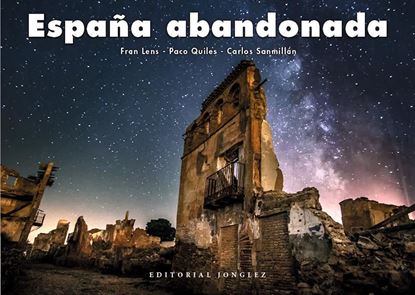
ESPAÑA ABANDONADA
Barren red deserts dotted with post-colonial ghost towns, dilapidated inner city factories, discarded country homesteads and a succession of dormant, soot-filled power stations are just a handful of the desolate, yet visually rich narratives that form part of the abandoned Australia landscape.
Digging beneath the sun-baked soil, Shane Thoms uncovers the modern ruins scattered over this arid continent and reveals a series of beautifully broken abodes hiding in the crevices of the Great Southern Land.
Whispering of both long-gone happy family moments and human darkness, of working lives and the everyday pursuits of living, these atmospheric scenes allow us to reconstruct the stories of the past. Prompting conversations about a growing, diverse country with a complicated history, these abandoned places both connect as well as contrast the past and the present and chronicle the hidden remnants of the evolving Australian story.
1,995
1,400
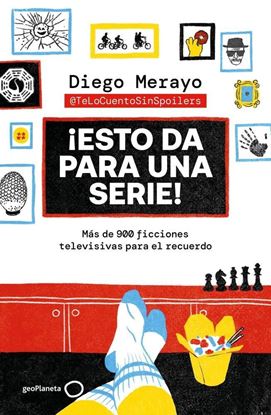
ESTO DA PARA UNA SERIE
¿Cuántas veces has dicho «esto da para una serie»? ¿Y si la mejor serie fuera la vida misma? ¡Ahora tienes el libro que lo demuestra! Más de 900 títulos, cientos de emociones compartidas y una certeza: esto da para una serie.
Desde aventuras adolescentes sobre bicis llenas de barro hasta culebrones sentimentales dignos de telenovela, pasando por momentos laborales tan surrealistas como los de The Office o reuniones de vecinos más tensas que un capítulo de Aquí no hay quien viva. La vida —la tuya y la de todos— está hecha de escenas que parecen sacadas de una ficción. Porque a veces lo cotidiano se convierte en comedia, en drama, en thriller o en romance... y todo cabe en el mismo capítulo.
1,400
1,650
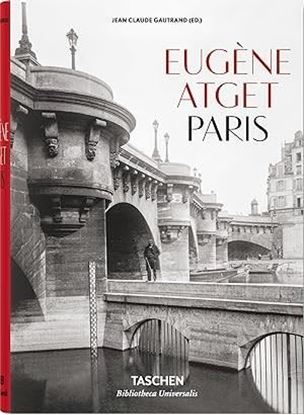
EUGENE ATGET, PARIS (BU) (INT)
A flâneur and photographer at once, Eugène Atget (1857–1927) was obsessed with walking the streets. After trying his hand at painting and acting, the native of Libourne turned to photography and moved to Paris. He supplied studies for painters, architects, and stage designers, but became enraptured by what he called “documents” of the city and its environs. His scenes rarely included people, but rather the architecture, landscape, and artifacts that made up the societal and cultural stage.
1,650
1,250
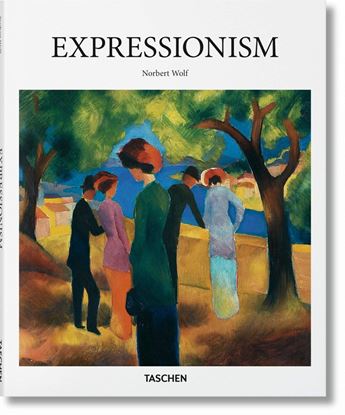
EXPRESSIONISM (BASIC ART EDITION) GB
Sharp angles, strange forms, lurid colors, and distorted perspectives are classic hallmarks of Expressionism, the twentieth century movement that prioritized emotion over objective reality. Though particularly present in Germany and Austria, the movement’s approach flourished internationally and is today hailed as one of the most influential shifts in art history.
With leading groups Die Brücke (The Bridge) and Der Blaue Reiter (The Blue Rider), and key players such as Wassily Kandinsky, Egon Schiele, and Emil Nolde, the Expressionists disowned Impressionism, which they regarded as “man lowered to the position of a gramophone record of the outer world”, to depict instead a raw and visceral experience of life as it was felt, rather than seen on the surface. Their paintings brim with emotive force, conveyed in particular through intense and non-naturalistic color palettes, loose brushwork, and thick textures.
1,250
2,995
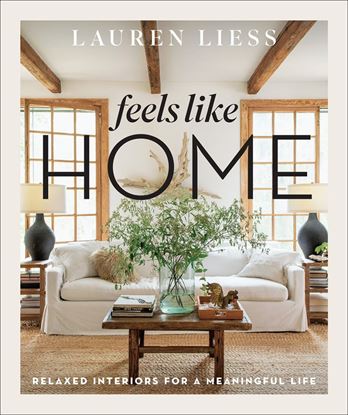
FEELS LIKE HOME RELAXED INTERIORS
Explore the emotional connection that a home can have to a person’s life with Feels Like Home from Lauren Liess, the TV and social media star and author of Habitat and Down to Earth
A house is a feeling. That is the conceit behind designer Lauren Liess’s third book, which explores the emotional connection between the way we decorate our homes and our daily lives.
She advises readers to think beyond just the objects in their homes and explore how design informs an intentional, happy, and authentic life.
The book includes practical design information, with never-before-seen case studies on a variety of homes including a farmhouse, a home in the woods, a Spanish colonial, and other more traditional homes. Each case study explores a hardworking design aspect (such as proportion, scale, and color), while also focusing on the emotional aspect of the home.
With chapters inspired by the themes of comfort, calm, excitement, belonging, carefree, love, and contentment, Feels Like Home provides inspiration while also serving as a beautiful object itself.
2,995
1,995
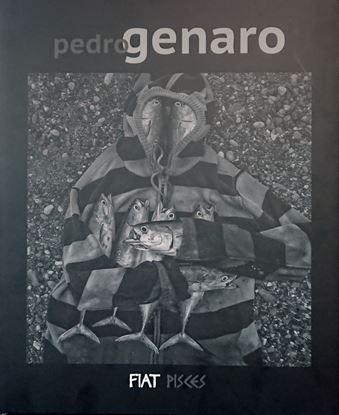
FIAT PISCES
Cuando se tiene la oprtunidad de asumir un proyecto de larga duración, se puede hurgar en lo mas...
1,995