1,995
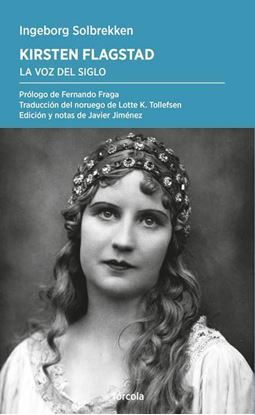
KIRSTEN FLAGSTAFF. LA VOZ DEL SIGLO
Los críticos musicales de la época describieron la voz de la soprano noruega Kirsten Flagstad como la luz del sol que incide sobre la cúspide de una montaña coronada por un glaciar. Jessye Norman la asemejó al oro líquido sobre terciopelo negro, mientras que Elisabeth Schwarzkopf percibió que tenía la dimensión de una madre cósmica que abraza el universo.
1,995
1,250
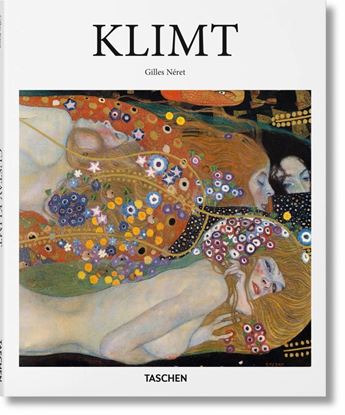
KLIMT (BA-ART)
The unfading popularity of Gustav Klimt (1862–1918) attests not only to the particular appeal of his luxuriant painting but also to the universal themes with which he worked: love, feminine beauty, aging, and death.The son of a goldsmith, Klimt created surfaces of ornate and jewel-like luminosity which show the influence of both Egyptian and Japanese art. Through paintings, murals, and friezes, his work is defined by radiant color, fluid lines, floral elements, and mosaic-like patterning.With subjects ranging from sensuality and desire to anxiety and despair, all this iridescence is also suffused with feeling. Klimt’s numerous images of women, characterized by curvaceous forms, tender flesh, red lips, and flushed cheeks, were particularly charged with passion, at a time when such frank eroticism was still taboo in Viennese upper-middle-class society.This book presents a selection of Klimt’s work, introducing his pictorial world of decoration and desire, as well as his influence on artists to come.
1,250

1,600
KLIMT (TD) (BU) (E)
Museística de envergadura de Estados Unidos, y marcó un antes y un después en el intento por Internacionalizar a Klimt. De manera paralela, a lo largo de la década de 1960 los estudios sobre la obra y la figura de Klimt adoptaron un nuevo enfoque.
1,600
2,400
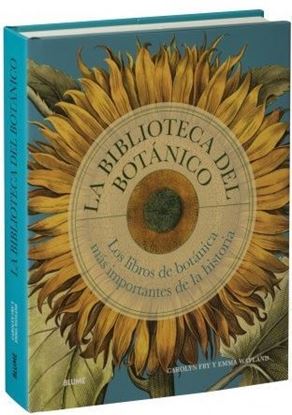
LA BIBLIOTECA DEL BOTANICO
Una obra en la que se dan cita los libros de mayor relevancia histórica sobre la ciencia botánica y su impacto en la civilización.
Con ayuda de hermosas ilustraciones, se narra la evolución de la botánica a través de libros y manuscritos fundamentales y se abordan los cambios de actitudes, enfoques, conocimientos y recursos a lo largo de los siglos.
Partiendo de los antiguos conocimientos botánicos de Egipto, India, Grecia y China, así como el impacto de la ciencia islámica y el Renacimiento europeo, se pasa a examinar los herbarios ilustrados y la repercusión de la imprenta, el sistema de clasificación de Linneo, la «edad de oro» de la botánica en los siglos xviii y xix y su posterior transición a la fitología de vanguardia que se emplea hoy en la educación botánica moderna.
2,400
1,995
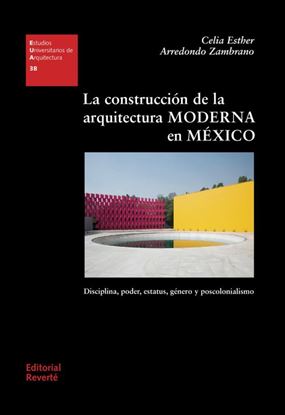
LA CONSTRUCCION DE LA ARQUITECTURA M.
Este libro presenta la construcción de la arquitectura moderna me- xicana mediante un enfoque basado en cinco estructuras de poder: la académica, la económica y política, la de estatus social, la de género y la poscolonial. Se incluyen también fragmentos de entre- vistas y análisis de obras de trece destacados arquitectos: Luis Ba- rragán, José Villagrán García, Juan O'Gorman, Pedro Ramírez Váz- quez, Agustín Hernández, Abraham Zabludovsky, Carlos Mijares, Ricardo Legorreta, Juan José Díaz Infante, Enrique Norten, Alberto Kalach, Javier Sordo Madaleno y Clara de Buen. Todo ello pro- porciona un testimonio vivo de todo ese proceso.
Si bien las cinco estructuras de poder enmarcaron y definieron esa arquitectura, las entrevistas de unos arquitectos que fueron sus protagonistas ayudan a descubrir e identificar sutilezas y matices en lo acontecido en ese periodo. De este modo, sus voces arrojan luz sobre lo que contribuyó a hacer de la arquitectura moderna mexicana algo tan singular a escala mundial. Aunque esos arqui- tectos no siempre fueron conscientes de la presencia de esas estruc- turas de poder, sus proyectos participaron en la marginación, la discriminación y el sometimiento que tales estructuras provocaban. En este sentido, el presente estudio también revela hasta qué punto dichas estructuras de poder están todavía presentes en la arquitec- tura mexicana actual.
1,995

999