

1,850
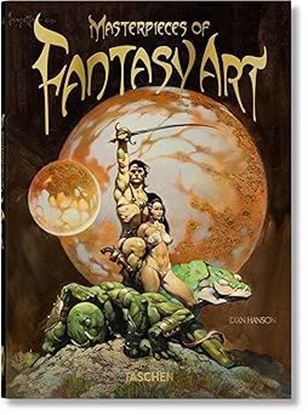
MASTERPIECES OF FANTASY ART. (40TH ED.)
Fantasy art, that colorful blend of myth, muscle and sexy maidens, took off in 1923 with the launch of Weird Tales magazine, was reinvigorated in the 1960s with The Lord of the Rings, Conan the Barbarian paperbacks with Frank Frazetta covers, and the late ’60s emergence of fantasy psychedelia. It went big in the ’70s with the role-playing game Dungeons & Dragons, the brilliant French magazine Métal Hurlant, and the first Star Wars film. The number of active artists peaked in that decade, but a new generation of fans discovered the genre through fantasy trading card games in the ’90s, leading to a massive interest in the art form today.
1,850
1,250
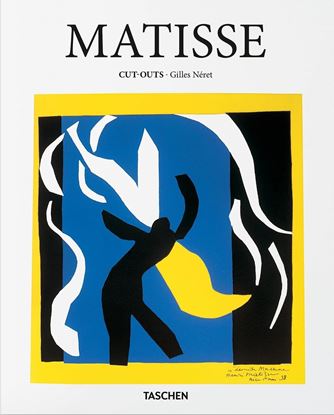
MATISSE. CUT-OUTS
Henri Matisse (1869–1954) was a fighting spirit. Despite a cancer diagnosis in 1941, increasing frailty, and the confines of a wheelchair, the indomitable Frenchman never stopped in his quest to make art. With what he called une seconde vie, a second life, he embarked on a remarkable collage period, cutting and pasting pieces of colored paper into gouaches découpées of birds, plants, flowers, and the female form.Emphasizing color and contrast, the cut-out technique generated both striking lines and vivid juxtapositions. In works such as Icarus (1943), The Blue Nude (1952), The Snail (1953), and The Sheaf (1953), clean forms and elemental structures power a compositional force that belies the work’s decorative appeal, at once tightly organized and infectious with joie de vivre. As his work progressed, Matisse’s excitement with his results fueled ever-larger pieces, advancing from small works to vast wall-sized murals.As his final years approached, Matisse reveled in the simplicity and brilliance of these pieces, avowing, “Only what I created after the illness constitutes my real self: free, liberated…” In this essential introductory book, we revisit this joyful final chapter of Matisse’s long and prodigious career, examining how the cut-outs encapsulated the artist’s many years exploring the possibilities of composition, form, and color.
1,250

1,250
MAX ERNST (BA-ART) (E)
Max Ernst (1891-1976) transformó todo lo que tocó con una originalidad artística sin igual. Se convirtió en una de las figuras más importantes del dadaísmo y del surrealismo que ensanchó las fronteras del arte y rompió con la visión limitada de la cultura de su tiempo. Impulsado por la reacción a los horrores de la Primera Guerra Mundial, se convirtió en un pionero del movimiento dadaísta. La cancelación de la famosa exposición dadá en Colonia por “obscenidad” llevó a Ernst a pasar el resto de su vida en París, donde entró en contacto con los surrealistas.Por encima de todo, Ernst destaca por la variedad de estilos y técnicas que empleó. Su obra abarca desde la pintura, el dibujo y la escultura, pasando por textos y escenografías, hasta novelas de collage y el desarrollo de su propia técnica de frottage. Durante la Segunda Guerra Mundial, Ernst, como muchos de sus colegas, se convirtió en un “extranjero indeseable” y se vio obligado a emigrar, aunque regresó a Francia después de la guerra. Siguió desarrollando una carrera que abarcó décadas, y en 1954 recibió el Gran Premio de Pintura en la Bienal de Venecia.Este libro es un viaje por la magia, la intensidad y la fantasía. Es una puerta de entrada a la mente y el mundo complejo de Max Ernst.
1,250
3,995
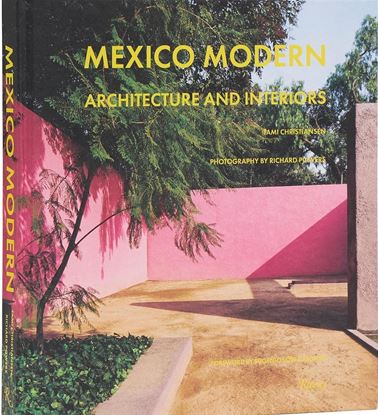
MEXICO. MODERN. ARCHITECTURES AND INTERI
Mexico has long been a wellspring of inspiration for designers, with its rich architectural heritage shaping both national and international discourse. Visionary architects featured in this book such as Agustín Hernández Navarro, Luis Barragán, Ricardo Legorreta, and Javier Senosiain have left an indelible mark on modern architecture, as can be seen in the groundbreaking recent works that are also showcased in these pages.
In this lavishly illustrated volume, Christiansen explores Mexico’s architectural diversity, presenting homes that embody a profound sense of place through exceptional design. From organic dwellings that merge seamlessly with rural landscapes to bold urban structures that challenge conventions of form and space, to sculptural seaside sanctuaries that rise like temples from the sand, each project offers a unique perspective on the country’s evolving design language.
3,995

1,450
MICHAEL FREEMAN SOBRE BLANCO Y NEGRO
El autor superventas Michael Freeman aporta sus años de experiencia al estudio del estilo más perdurable y lleva la teoría y la práctica de este género clásico a la época moderna. En esta exhaustiva guía sobre la imagen en blanco y negro, Freeman estimula la creatividad personal y explica la práctica fotográfica de un modo comprensible y, por encima de todo, útil y práctico. La fotografía en blanco y negro al día, para informar e inspirar tanto a los puristas como a los nuevos practicantes de este género. La fotografía en blanco y negro no es solo la expresión más pura del proceso de creación de imágenes, sino también un camino esencial hacia una mejor comprensión de los principios fotográficos. Este libro explica cómo visualizar el mundo en blanco y negro mientras se captan imágenes y a desarrollar un instinto para poner en práctica la dinámica de la fotografía en blanco y negro.
1,450
1,600
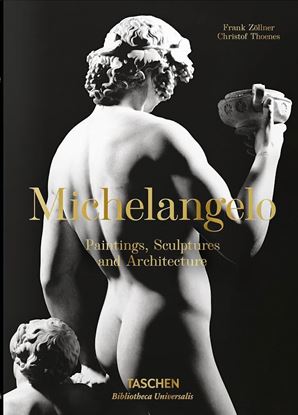
MICHELANGELO. PAINTINGS, SCULPTURES AND
Before reaching the tender age of 30, Michelangelo Buonarroti (1475–1564) had already sculpted Pietà and David, two of the most famous sculptures in the entire history of art. As a sculptor, painter, draftsman, and architect, the achievements of this Italian master are unique—no artist before or after him has ever produced such a vast, multifaceted, and wide-ranging œuvre.
This fresh TASCHEN edition traces Michelangelo’s ascent to the cultural elite of the Renaissance. Ten richly illustrated chapters cover the artist’s paintings, sculptures, and architecture, including a close analysis of the artist’s tour de force frescoes in the Sistine Chapel.Full-page reproductions and enlarged details allow readers to appreciate the finest details in the artist’s repertoire, while the book’s biographical essay considers Michelangelo’s more personal traits and circumstances, such as his solitary nature, his thirst for money and commissions, his immense wealth, and his skill as a property investor.
1,600