850
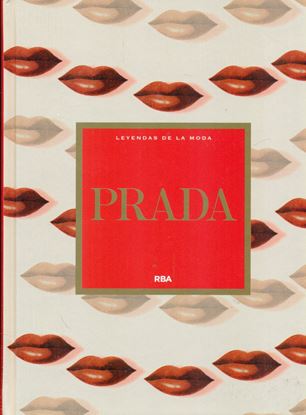
PRADA
En 1913, Fratelli Prada abrió sus puertas en Milán, convirtiéndose en la marroquinería favorita de la burguesía italiana. Décadas más tarde, cuando Miuccia Prada heredó la empresa
familiar comenzó a desafiar las convenciones ¿que rodeaban la moda del momento: hizo del
nailon un material lujoso, despojó a las mujeres de adornos superfluos y hasta se atrevió a jugar con lo que socialmente se consideraba feo. La diseñadora se alió con artistas contemporáneos y a través de sus desfiles habló de feminismo, de problemáticas sociales o del uso de la tecnología. Es una firma ligada indisolublemente a la cultura contemporánea.
850

3,995
PRINCE. LA HISTORIA DETRAS DE SUS 684 C.
Después de dos álbumes teñidos de funk y disco, Prince Rogers Nelson se convirtió en el maestro del Minneapolis Sound en 1980 con su tercer álbum, el sulfuroso y acertadamente llamado Dirty Mind.
Desde sus primeros discos para Warner Bros. Records, el hombre que pronto sería apodado el Kid de Minneapolis dedicó su vida a una abundante y variada producción musical.
Prince atravesó la década de 1980 con una irreverencia y audacia que lo caracterizarían. Después de encadenar varios éxitos (Little Red Corvette, Purple Rain, Kiss, Sign O' The Times o Batdance) y más de 100 millones de discos vendidos, Prince supo reinventarse con cada uno de sus discos, burlando las predicciones de quienes lo creían muerto, resurgiendo constantemente de las cenizas, y siempre sorprendiendo a través de nuevas direcciones artísticas.
De Madonna a Miles Davis, de Michael Jackson a Kate Bush, todos los grandes nombres de la música popular quisieron grabar con él. Tras la inesperada muerte del cantautor en 2016, The Prince Estate ha trabajado para exhumar de The Vault, su bóveda acorazada de Paisley Park (su casa-estudio), álbumes preciosos hasta ahora inéditos. Miles de canciones aún reposan allí; cada lanzamiento es un evento global.
3,995
2,350
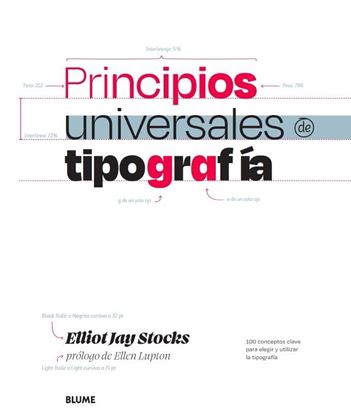
PRINCIPIOS UNIVERSALES DE TIPOGRAFIA
* 100 conceptos, teorías y reglas clave para elegir, combinar y utilizar la tipografía: un libro que lo equipará con todo lo que necesita para tomar las decisiones tipográficas más informadas en sus trabajos de diseño, sea cual sea el medio. * Profusamente ilustrado y de fácil comprensión, con explicaciones claras combinadas con ejemplos visuales, principios comprobados a lo largo de cientos de años de composición tipográfica y los últimos avances en tecnología de navegadores, fuentes web y fuentes variables. * El arte y la ciencia de la tipografía combinan ajustes sutiles en la longitud de las líneas con mezclas armoniosas de pesos y estilos, emparejamientos de tipografías seleccionados con esmero junto a un conjunto sólido de caracteres alternativos, y avances tecnológicos emocionantes con las realidades de las licencias tipográficas. Existen innumerables maneras en las que los diseñadores pueden mejorar la legibilidad de un texto e influir en cómo se entiende su mensaje; sin embargo, muchos diseñadores comunican mal sin siquiera darse cuenta. Información completa y autorizada junto a ejemplos didácticos e inspiradores en temas multidisciplinares para diseñadores, arquitectos, ingenieros, estudiantes y cualquiera que esté interesado en ampliar y enriquecer sus conocimientos en diseño.
2,350
2,250
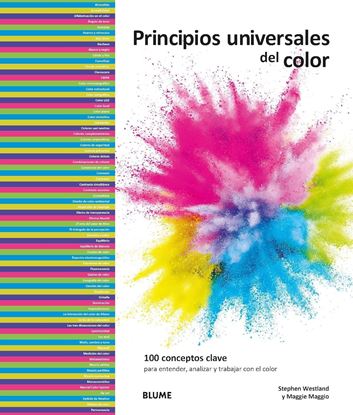
PRINCIPIOS UNIVERSALES DEL COLOR
* Descubra 100 conceptos clave y pautas interdisciplinarias imprescindibles para utilizar el color con éxito. * Profusamente ilustrado y de fácil consulta, vincula explicaciones claras de cada tema y ejemplos visuales aplicados a la teoría y la práctica. * Ya sea en una campaña de branding, un centro sanitario, el embalaje de un producto o la interfaz de una aplicación informática, el color que vemos es la materialización de un gran número de conceptos y prácticas que se unen desde múltiples disciplinas para aumentar el atractivo, influir en la percepción y mejorar la comodidad de uso. Incluye conceptos y ejemplos, con los que podrá aprender a tomar decisiones de color más cimentadas y eficaces. Un punto de referencia fundamental para diseñadores, artistas, arquitectos y estudiantes que deseen ampliar y mejorar su conocimiento y experiencia del color.
2,250
1,600
1,995
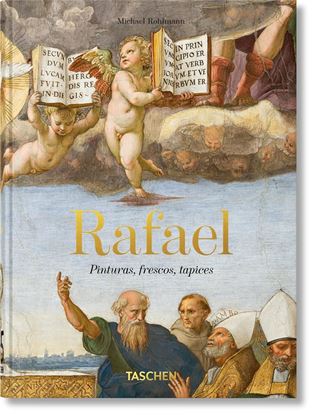
RAFAEL. PINTURAS, FRESCOS, TAPICES. 45TH
Junto con Miguel Ángel y Leonardo, Rafael (1483-1520) fue uno de los artistas más importantes del Alto Renacimiento italiano. En su breve vida realizó alrededor de 100 pinturas y nueve ciclos de frescos en los que abordó una variedad de temas inigualable: desde sensuales bellezas femeninas, mitos antiguos y retratos hasta ciclos históricos y escenas bíblicas. También realizó retablos y diseñó tapices para la Capilla Sixtina. Su Madonna Sixtina es una de las pinturas religiosas más reproducidas de todos los tiempos.
Rafael fue un aprendiz infatigable que no concebía la autocomplacencia ni se limitaba a repetir soluciones ya intentadas y comprobadas, sino que seguía únicamente el constante impulso hacia adelante de una imaginación inagotable. Transformó su tema central, la experiencia visionaria de la gracia divina, en una realidad pictórica visible. En especial su obra madura en Roma y sobre todo los frescos en el palacio Apostólico del Vaticano le aseguraron un lugar en la historia del arte. Admirado ya en vida como el artista más moderno de su tiempo, la maestría de Rafael allanaría el camino para el manierismo y la época barroca.
1,995