

6,500
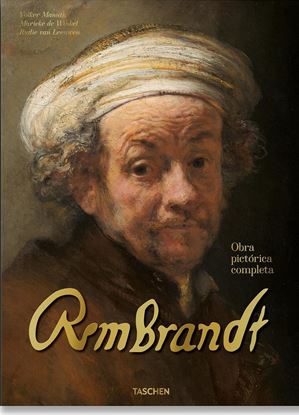
REMBRANDT. OBRA PICTORICA COMPLETA
The Dutch Golden Age of painting spawned some of history’s greatest artists and artisans, but few can boast the genius and legacy of Rembrandt Harmensz. van Rijn (1606–1669). Despite never leaving his native Netherlands, Rembrandt projected his oeuvre past the boundaries of his own experience, producing some of art’s most diverse and impactful works across portraiture, biblical, allegorical, landscape, and genre scenes. In all their forms, Rembrandt’s paintings are built of intricacies—the totality of each subtle facial wrinkle, gaze, or figure amounting to an emotional force that stands unmatched among his contemporaries and artistic progeny alike.
6,500
1,995
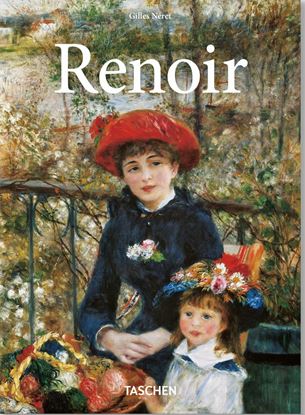
RENOIR. (45TH) (E)
Eternamente cautivadoras, las pinturas de Pierre-Auguste Renoir (1841-1919) son la encarnación de la felicidad, el amor y la belleza. Basada en el libro de gran formato —la retrospectiva más completa de su obra publicada hasta la fecha—, esta edición compacta examina en detalle la historia personal del pintor y las motivaciones detrás de la leyenda. Aunque comenzó su carrera pintando paisajes en estilo impresionista, Renoir encontró su verdadera vocación en los retratos, tras lo cual abandonó por completo el impresionismo. Pese a haber sido malinterpretado con frecuencia, Renoir sigue siendo uno de los pintores más queridos de la historia, sin duda por la calidez, la ternura y la alegría de vivir que emanan sus cuadros.
En este texto magistral que detalla toda la trayectoria del artista y traza su evolución estilística, Gilles Néret muestra cómo Renoir reinventó las formas de la mujer en la pintura a través de sus diosas cotidianas de generosas curvas. La última fase en la obra de Renoir, en la que regresó al simple placer de pintar el desnudo femenino a través de su serie de bañistas, fue la más innovadora y de mayor influencia estilística, e inspiraría luego a maestros como Matisse y Picasso.
1,995
1,995
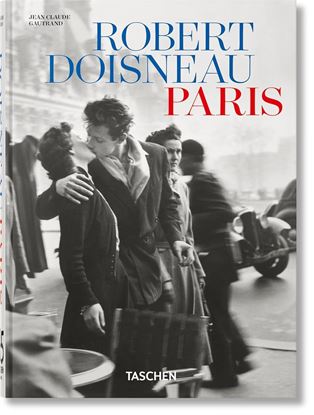
ROBERT DOISNEAU PARIS 45TH ED
As sensitive to human suffering as to the simple pleasures of life, Robert Doisneau is one of the most celebrated exponents of the Photographie humaniste that swept through the 1950s. Cherished in particular for his soulful portraits of Paris, Doisneau demonstrated a unique ability to find – and perfectly frame – charismatic characters, entertaining episodes, and fleeting moments of humor and affection.
A summation of a spectacular career, this extensive Doisneau collection includes all his best-loved images from Paris alongside many lesser-known compositions which equally rejoice in “the ordinary gestures of ordinary people in ordinary situations.” The many quotations from the photographer throughout the volume immerse the reader in Doisneau’s thoughts and give verbal expression to the sensitivity, warmth, and wit which characterize his pictures.
1,995
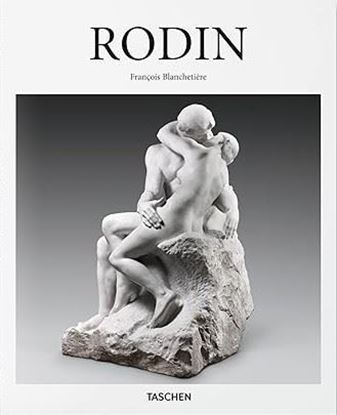
1,350
RODIN (BA-ART) (GB)
While anchoring his practice in the traditions of antiquity and the Renaissance, Auguste Rodin (1840–1917) paved the way for modern sculpture. From a very early stage, he was interested in movement, the expression of the body, chance effects, and the incomplete fragment. It was these elements that gave shape, and the impression of life, to such famous works as The Kiss and The Thinker.
1,350
995
ROLEX. HISTORIA DETRAS DE LA MODA
Esta es la fascinante historia de cómo la visión de un hombre culminó con la creación de la firma de relojes más prestigiosa del mundo.
Descubra cómo Hans Wilsdorf convirtió a Rolex, una pequeña empresa londinense, en el epicentro de la industria relojera suiza.
Con la mirada puesta en los diseños revolucionarios y las innovaciones de Rolex, el lector descubrirá cómo la marca estuvo presente tanto en la superación de récords de velocidad como en grandes producciones cinematográficas de Hollywood, además de acompañar a aventureros en sus expediciones hasta la coronación de la cumbre del Everest y a las profundidades de la fosa de las Marianas.
995
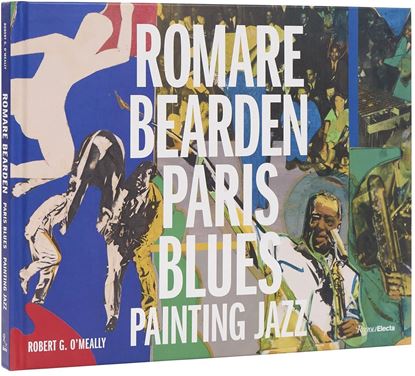
2,995
ROMARE BEARDEN. PARIS BLURD: PAINTING JA
Bearden (1911–1988) was a prominent African American artist often described as the consummate jazz painter, known for his innovative collages that explored themes of Black American culture, history, and personal experiences. This publication reexamines Bearden’s life and work in the context of jazz, tracing the musician’s impact from the artists’ earliest oil paintings to his iconic collages.
In 1981, Bearden created nineteen collages that the artist called his “Paris Blues,” or simply “Jazz,” series. Conceived as pages for an oversized book that would be a response to the Hollywood movie Paris Blues (1961)—though featuring Harlem and New Orleans along with Paris—the series has been little known until now. Here the wildly colorful illustrations are set alongside Bearden’s encounters with iconic jazz musicians, clubs, and cities. Examined for the first time in depth, the Paris Blues series makes a major statement on the relationships between visual art, jazz music, and urban spaces. The book also includes poignant photographs of Bearden and musicians in the 1950s–70s, such as Duke Ellington and Louis Armstrong.
2,995