

3,995
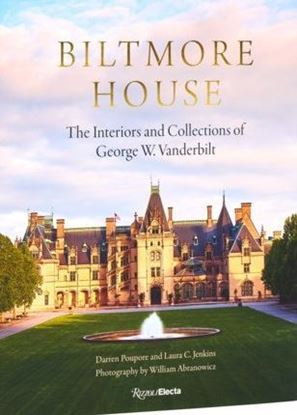
BILTMORE HOUSE. THE INTERIORS AND COLLEC
George W. Vanderbilt created one of the greatest self-sustaining American country estates of the late nineteenth century—at its center, Richard Morris Hunt’s splendid 250-room French Renaissance château. Beyond the acres of gardens designed by Frederick Law Olmsted and the imposing castle exterior lies one of the most notable private collections of fine and decorative art in the nation. Discover the wealth of treasures assembled in the historic rooms: paintings by Monet, Renoir, Sargent, and Whistler; Renaissance tapestries; rare books; and exquisite French and English furniture.
3,995
2,700
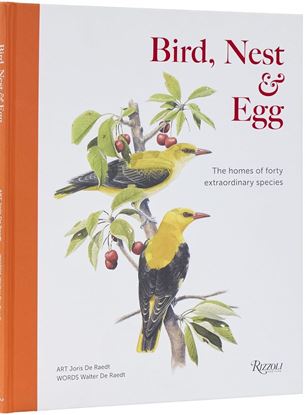
BIRD, NEST Y EGG. THE HOMES OF FORTY EXT
This book is meticulously designed as a large-format visual portfolio of the world’s most distinctive birds, whose nesting behavior and natural beauty are celebrated in beautifully detailed graphite and watercolor illustrations—all based on actual field studies. The exquisitely detailed bird, nest, and egg portraits are framed by details that include building techniques, materials, egg characteristics (shapes, colors, and number in a clutch), hatchlings and chicks, and parenting behaviors.
2,700

650
BLADE RUNNER
Blade Runner es una obra maestra del celuloide y una película de culto que, de un modo casi imperceptible, se ha ido consolidando como un clásico en la historia del séptimo arte. Todo ello, gracias a una estética sugerente, que marcó un hito en el género de ciencia ficción, y a una interesantísima reflexión sobre el origen del ser humano y su destino, los riesgos de la manipulación genética y la fugacidad de la vida.
El buen cine no envejece. Y en este caso, menos aún, por el mítico año 2019 en el que transcurre la trama, todavía cercano. En este libro, el autor ofrece claves sobre el guion, los personajes, las metáforas visuales y los temas de fondo, que ayudan a comprender y a disfrutar de este gran clásico, ahora con continuación en la gran pantalla.
650
995
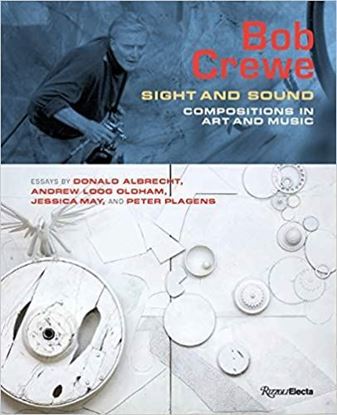
BOB CREWE. SIGHT AND SOUND (OF3)
The first book to explore the extraordinary musical life and remarkable paintings of one of America's greatest ever songwriters.
Best known for having written and produced some of the seminal records of American popular culture--from 'Big Girls Don't Cry' for the Four Seasons to 'Silence is Golden' for the Tremeloes and 'Lady Marmalade' for LaBelle--Bob Crewe was a multifaceted artist for whom a passion for painting and the visual arts provided a lifelong counterbalance to music.
Collected here are more than 80 of Bob Crewe's artworks, stretching from his first forays into abstract expressionism in the 1950s and 1960s to more complex, tactile compositions made on his full-time return to painting in the 1990s--accompanied by archival images and ephemera that reflect Crewe's simultaneous contribution to popular music.
Essays by Jessica May and Peter Plagens explore the development of an artist whose influences ranged from Rauschenberg and Johns to Warhol and Bacon; legendary record producer Andrew Loog Oldham captures the period of radical experimentalism in which Crewe wrote many of the most memorable songs in the canon of modern pop; and Donald Albrecht's introduction ties together the many complementary aspects of Crewe's personal and creative lives.
995
1,750
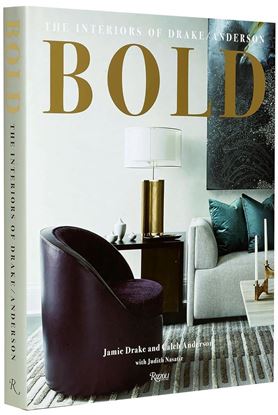
BOLD: THE INTERIORS OF DRAKE/ANDERSON
Principals Jamie Drake and Caleb Anderson delight in creating imaginative rooms that emphasize the precious alongside the everyday. Drake is known for his fearless use of color as well as his fashion-conscious sensibility. Anderson is lauded for his layered approach and the confidence with which he juxtaposes a variety of historic periods. While firmly focused on contemporary design, their work harkens back to the legendary designers and decorators of yesterday.
Drake/Anderson’s deeply informed yet accessible modernist sensibility is exemplified by eleven remarkable residences, from Manhattan to London to Arizona, in a full spectrum of rich jewel tones and textures. In an aerie with panoramic views, the pair devised a platinum-and-pearl backdrop for a provocative potpourri of materials—wood, lacquer, stone, gypsum, glass, velvet, leather, mirror, and bronze. Whether refashioning a private oasis in the woods, where contemporary pieces mix with custom items of the firm’s design, or bringing a stately 1910 house fully into the present by amalgamating the owners’ antiques with modern and contemporary art, Drake/Anderson embraces a dynamic eclecticism all its own.
1,750
1,250
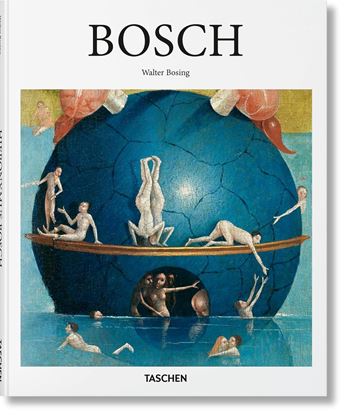
BOSCH (BA-ARCH)
As cryptic as they are compelling, the masterpieces of Hieronymus Bosch (c. 1450–1516) remain some of the most enduring enigmas of the art world. Their intricate, allegorical, and often startling content has captivated not only art historians, but also fashion designers, rock stars, writers, and punk rockers, as well as countless modern and contemporary artist successors.
Although rooted in the Old Netherlandish tradition, Bosch developed a highly subjective, richly suggestive style to render both the celestial bliss of heaven and the grotesque tortures of hell, most famously and meticulously excecuted in The Garden of Earthly Delights. Here, as in his other known works, his artistic language combined religious humility with a razor-sharp wit, often playing off pictorial versions of contemporary proverbs or figures of speech.
1,250