


1,900
CONTAR LA HISTORIA
Un recorrido apasionado y entretenido por los grandes musicales de nuestra era en el que descubriremos lo que realmente nos cuentan sobre raza, género, poder y deseo.
¿Qué tienen en común Wicked, Cats o West Side Story? Que no solo nos han hecho cantar, sino también repensar el mundo (aunque no nos hayamos dado cuenta).
Cantar la historia es una historia cultural muy poco convencional: una que se canta, se baila y se analiza con tanta pasión como ironía ácida. A través de nueve musicales que han marcado la historia reciente, Javi Alonso, brillante divulgador y amante del teatro musical, nos invita a un viaje en el que nos mostrará cómo estas obras reflejan temas como las masculinidades, el racismo, lo queer o la memoria histórica. Desde la violencia mal dirigida de West Side Story hasta la catástrofe digital de la película de Cats, pasando por la moral de las protagonistas de Wicked, el autor mezcla análisis cultural, anécdotas personales y un afilado humor para desmontar la idea de que los musicales son solo evasión y fantasía.
El resultado es un ensayo pop que reivindica el teatro musical como uno de los grandes narradores de nuestro tiempo. Porque sí, a veces la historia se canta, hasta ocho veces por semana en cada teatro.
1,900

1,750
CONVERSACIONES CON GRANDES FIGURAS DE LA
De música, por supuesto sus inicios, referencias y maestros, sus trabajos, pero también de otros asuntos más personales sus miedos y sueños y universales amor, drogas, política, religión, muerte es de lo que el autor de este libro, reconocido periodista cultural con varias biografías de estrellas de la canción española en su haber, ha conversado a lo largo de tres décadas con los 40 grandes músicos e intérpretes que lo protagonizan.
1,750

500
CUARTETO DE LA GUERRA. I (OF2)
Tras el éxito de La Música de la Memoria, libro dedicado a los grandes músicos del siglo XIX, Xavier Güell se adentra en los años más oscuros del siglo xx. Cuarteto de la guerra narra la historia de cuatro hombres que luchan por su vida y por su música cuando los totalitarismos y la guerra asolan Europa. Nueva York, Berlín, Múnich, Moscú, Barcelona y Los Ángeles son los escenarios donde transcurre el épico enfrentamiento de cuatro grandes compositores con el poder político, para evitar que su obra sea sometida, dirigida y utilizada, a la vez que procuran desesperadamente la supervivencia de los seres que aman. Cuarteto de la guerra reflexiona así mismo sobre la música como revelación y sabiduría, como eco de lo intangible, como impulso directo a lo más profundo del alma, sobre el diálogo entre el hombre y lo invisible y, por último, sobre el sentido de nuestra propia existencia. El primer volumen de la tetralogía, Si no puedes, yo respiraré por ti, cuenta el exilio voluntario de Béla Bartók a Estados Unidos, que arriesga su estabilidad emocional, familiar y profesional, para dejar constancia de su radical oposición a las dictaduras de Horthy, Hitler y Mussolini.
500
1,995
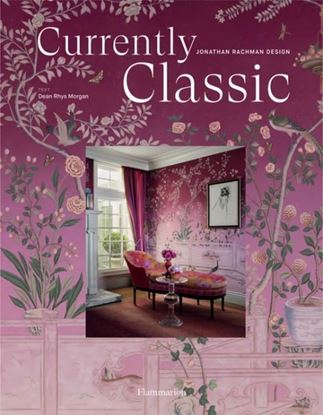
CURRENTLY CLASSIC
Jonathan Rachman's instantly classic designs come to life in vibrant and sumptuous color in this first monograph on the Sumatran-born, San Francisco-based interior decorator.
Interior decorator Jonathan Rachman opens the doors to his universe in this volume illustrating his eclectic, vividly colorful, and markedly refined style, through various projects undertaken for prestigious clients.
Born on the island of Sumatra in Indonesia, trained in Switzerland, and today based out of San Francisco, Rachman injects his projects with his own wide-reaching, worldly experience, his explorations into provincial flea markets, and his taste for textiles, leather goods, handicrafts, and art objects. In each of his designs, he combines the best materials from the East and the West, devising personalized plans for his clients and creating a timeless approach to interior design.
With a lively color palette, luxurious materials, and an incredible attention to detail, Rachman has received multiple awards and acclaim for his work from renowned publications such as Vogue, Elle, and Harper's Bazaar.
1,995
4,995
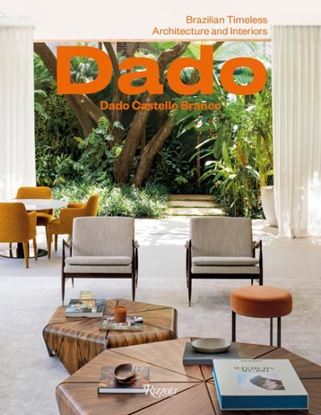
DADO CASTELLO BRANCO
Across Brazil and around the world, the elegant and meticulously crafted spaces designed by the firm Dado Castello Branco Arquitetura e Interiores are known for blending functionality with aesthetic allure. These places—residences, apartments, and villas, all in the signature style the firm has honed since its founding in São Paulo in the early 1990s—are brought to cinematic life by Brazilian artistic director and visual artist Ricardo van Steen. In these pages, van Steen stages a visual journey through four key elements of the company’s sophisticated design vision: He considers light as medium and muse, almost a character in the drama of each living, breathing space. He attends to matter, meaning the very materials of wood, copper, stone, fabric, and glass through which Dado’s designs achieve their richness and authenticity. He turns to the horizon, an essential feature that opens up perspectives and creates visual intrigue, serving as a metaphorical guide to the soul of the space. And he closes with art, paying tribute to Dado Castello Branco’s lifelong passion for the artists who inspire him and the art objects whose presence enhances these meticulous interiors. This richly illustrated publication brings us into these worlds of drama and elegance with exclusive photography and a profound consideration of the legacy of this legendary firm.
4,995
1,350
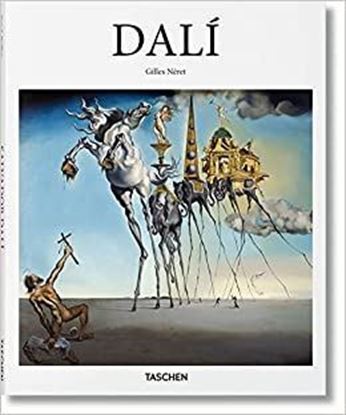
DALI (BA-ART) (GB)
Painter, sculptor, writer, filmmaker, and all-round showman Salvador Dalí (1904–1989) was one of the 20th century’s greatest exhibitionists and eccentrics. One of the first artists to apply the insights of Freudian psychoanalysis to art, he is celebrated in particular for his surrealist practice, with such conceits as the soft watches or the lobster telephone, now hallmarks of the surrealist enterprise, and of modernism in general.
Dalí frequently described his paintings as “hand-painted dream photographs.” Their tantalizing tension and interest resides in the precise rendering of bizarre elements and incongruous arrangements. As Dalí himself explained, he painted with “the most imperialist fury of precision,” but only “to systematize confusion and thus to help discredit completely the world of reality.”
Revolutionizing the role of the artist, the mustache-twirling Dalí also had the intuition to parade a controversial persona in the public arena and, through printmaking, fashion, advertising, writing, and film, to create work that could be consumed and not just contemplated on a gallery wall.
1,350