


900
VIOLETA (BOL)
Violeta viene al mundo un tormentoso día de 1920, siendo la primera niña de una familia de cinco bulliciosos hermanos. Desde el principio su vida estará marcada por acontecimientos extraordinarios, pues todavía se sienten las ondas expansivas de la Gran Guerra cuando la gripe española llega a las orillas de su país sudamericano natal, casi en el momento exacto de su nacimiento.
Gracias a la clarividencia del padre, la familia saldrá indemne de esta crisis para darse de bruces con una nueva, cuando la Gran Depresión altera la elegante vida urbana que Violeta ha conocido hasta ahora. Su familia lo perderá todo y se verá obligada a retirarse a una región salvaje y remota del país. Allí Violeta alcanzará la mayoría de edad y tendrá su primer pretendiente...
En una carta dirigida a una persona a la que ama por encima de todas las demás, Violeta rememora devastadores desengaños amorosos y romances apasionados, momentos de pobreza y también de prosperidad, pérdidas terribles e inmensas alegrías. Moldearán su vida algunos de los grandes sucesos de la historia: la lucha por los derechos de la mujer, el auge y caída de tiranos y, en última instancia, no una, sino dos pandemias.
900

1,150
VIOLETA (CANTOS) (BOL)
Violeta viene al mundo un tormentoso día de 1920, siendo la primera niña de una familia de cinco bulliciosos hermanos. Desde el principio su vida estará marcada por acontecimientos extraordinarios, pues todavía se sienten las ondas expansivas de la Gran Guerra cuando la gripe española llega a las orillas de su país sudamericano natal, casi en el momento exacto de su nacimiento.
Gracias a la clarividencia del padre, la familia saldrá indemne de esta crisis para darse de bruces con una nueva, cuando la Gran Depresión altera la elegante vida urbana que Violeta ha conocido hasta ahora. Su familia lo perderá todo y se verá obligada a retirarse a una región salvaje y remota del país. Allí Violeta alcanzará la mayoría de edad y tendrá su primer pretendiente...
En una carta dirigida a una persona a la que ama por encima de todas las demás, Violeta rememora devastadores desengaños amorosos y romances apasionados, momentos de pobreza y también de prosperidad, pérdidas terribles e inmensas alegrías. Moldearán su vida algunos de los grandes sucesos de la historia: la lucha por los derechos de la mujer, el auge y caída de tiranos y, en última instancia, no una, sino dos pandemias.
1,150
1,250
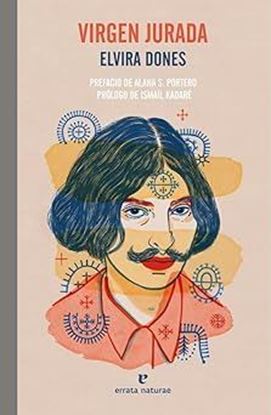
VIRGEN JURADA
En 1986, Hana abandona los estudios universitarios que, llena de curiosidad y entusiasmo, había iniciado hacía poco en Tirana para regresar a la remota aldea de las montañas del norte de Albania donde se encuentra la casa de su tío Gjergj, que la crió tras la muerte de sus padres y que ahora es viudo y está muy enfermo. Un acto de amor y gratitud que acaba desencadenando una aterradora inmolación personal. En efecto, Hana es la única familia que le queda, pero cuidar de él no es fácil en un paraje tan aislado y aferrado a costumbres ancestrales, en el cual ser mujer le impide trabajar o desplazarse de forma segura para conseguir medicamentos. Tras rechazar el matrimonio concertado que permitiría a Gjergj morir en paz y la obligaría, al mismo tiempo, a renunciar a su independencia, concluye que la única manera de solucionar sus problemas es ser una virgen jurada: es decir, una de esas mujeres que, siguiendo una antigua tradición albanesa, en un determinado momento de sus vidas se ven abocadas a hacer voto de castidad y convertirse en hombres para administrar el legado de los suyos. Sólo así le proporcionará a su tío el sosiego para rendirse a la enfermedad que lo devora.
1,250
1,450
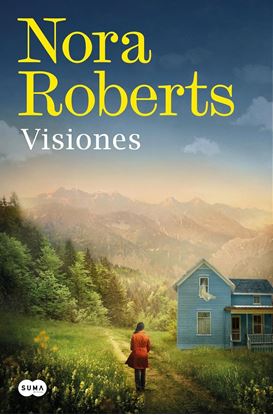
VISIONES
Thea Fox tiene la vida que siempre quiso. Se ha convertido en una reconocida diseñadora de videojuegos, un trabajo que le ha permitido regresar a Redbud Hollow, el lugar donde transcurrió su infancia, junto a su querida abuela. Cuando descubre que su nuevo vecino es su amor platónico de la adolescencia, el guapo cantante líder de la banda Code Red, parece que la vida no puede ser mejor. Sin embargo, el camino para llegar hasta ahí no ha sido fácil. Thea, como su abuela, tiene una habilidad especial que le permite llegar a la mente y el alma de las personas. A veces, incluso puede ver el futuro. Para su abuela es un don, pero ella, desde el día en que presenció el asesinato de sus padres en un sueño, lo siente como una maldición. Gracias a su visión, la policía pudo atrapar al hombre que lo hizo y ponerlo entre rejas.
1,450
950
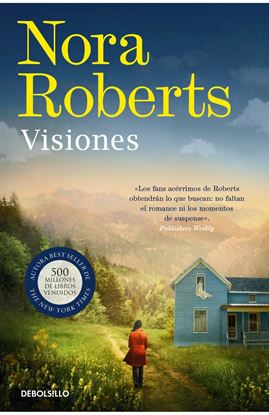
VISIONES (BOL)
Thea Fox tiene la vida que siempre quiso. Se ha convertido en una reconocida diseñadora de videojuegos, un trabajo que le ha permitido regresar a Redbud Hollow, el lugar donde transcurrió su infancia, junto a su querida abuela. Cuando descubre que su nuevo vecino es su amor platónico de la adolescencia, el guapo cantante líder de la banda Code Red, parece que la vida no puede ser mejor. Sin embargo, el camino para llegar hasta ahí no ha sido fácil. Thea, como su abuela, tiene una habilidad especial que le permite llegar a la mente y el alma de las personas. A veces, incluso puede ver el futuro. Para su abuela es un don, pero ella,desde el día en que presenció el asesinato de sus padres en un sueño, lo siente como una maldición. Gracias a su visión, la policía pudo atrapar al hombre que lo hizo y ponerlo entre rejas.
Después de tantos años, todavía puede escuchar los pensamientos retorcidos del criminal. Él lo sabe porque también puede ver dentro de las mentes, y está decidido a vengarse.
950
800
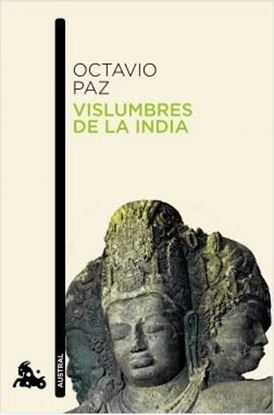
VISLUMBRES DE LA INDIA (AUSTRAL)
Este libro es el reflejo de la huella cultural, artística, política y filosófica que la India dejó en Octavio Paz (embajador desde 1962 hasta 1968); una India vivida en cuanto experiencia personal, en los reveladores capítulos autobiográficos que abren y cierran el volumen; una India, por otro lado, examinada en su complejidad nacional, religiosa e histórica. El libro nos permite ampliar nuestro horizonte mediante la presentación de una realidad tan distinta, nos incita a ahondar en la fértil discrepancia entre nuestra visión del mundo y las que ahí imperan, a trazar analogías o a perfilar contrastes que, al alterar nuestra rutina, pueden permitirnos ver en nuestro entorno fecundas posibilidades latentes.
800
1,150
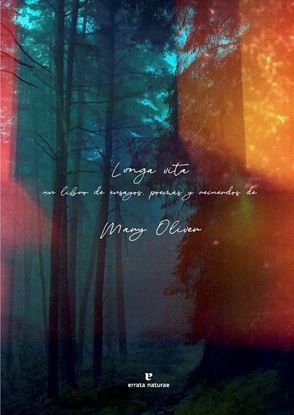
VITA LONGA
El regalo de la escritura de Mary Oliver es comunicar la belleza sencilla del mundo y hacerla inolvidable. Esto nunca ha sido más cierto que en la luminosa colección de ensayos y poemas que conforma «Vita longa». Con la gracia, la delicadeza y la precisión que caracterizan toda su obra, Mary Oliver nos muestra en este libro que escribir «es una forma de alabar el mundo», y nos sugiere, de forma aparentemente sutil pero inapelable, que leamos sus ensayos y sus poemas como «repentinos aleluyas» con los que celebrar el esplendor de la existencia.
1,150

1,450
VIVA PALESTINA
Ariel, Samantha y Lydia son israelitas. Tal vez por fe y tradición, pero sobre todo por humanidad, aborrecen lo que consideran un salvaje genocidio: la masacre de palestinos en la Franja de Gaza. La razón del primer ministro israelí, Benjamin Netanyahu, es supuestamente la reacción a un ataque previo, pero su verdadera intención es crear un nuevo canal que conecte el mar Rojo con el Mediterráneo: el canal de Ben Gurion. Pronto a ellas tres se unirán Diana, una millonaria griega; Salvatore, un desconcertado campesino italiano, y una conocida modelo de origen palestino, Naima.
La desigual contienda entre palestinos e israelíes no sólo continúa, sino que se recrudece cada día, a cada página. El mundo es testigo de la matanza, de los crímenes de guerra. Y nadie puede permitirse fracasar. Así, mientras los militares israelíes hacen suyo el lema de que «el mejor enemigo es el que nunca ha nacido», este singular grupo de audaces justicieros jurarán no permitirlo.
1,450
1,350
VIVIR DEPRISA
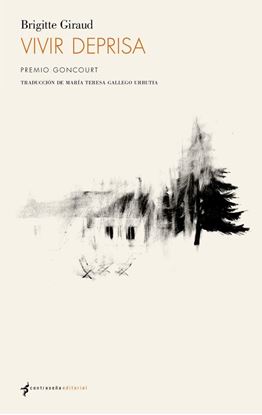
El martes 22 de junio de 1999, Claude, la pareja de Brigitte Giraud, sufrió un accidente de circulación, de resultas del cual falleció en el hospital esa misma noche. Más de veinte años después, la autora, impelida a vender la casa que compró con Claude poco antes del accidente, decide 'hacer por última vez un balance' que le permita 'cerrar la investigación', para lo cual reconstruye todos los hechos, circunstancias y decisiones que llevaron a que su pareja chocara con la moto que conducía contra un coche. Si el abuelo de la autora no se hubiera suicidado, o si Stephen King hubiera fallecido en un accidente que sufrió en 1999, o si la canción que Claude escuchó antes de salir del trabajo para ir a buscar a su hijo a la salida del colegio hubiera sido más corta (por citar solo tres de los hechos que reconstruye Brigitte Giraud), Claude, que conducía una moto potentísima que no era suya, sino del hermano de la autora, no habría chocado, a las cuatro y veinticinco de la tarde del 22 de junio de 1999, contra el 2CV que conducía Denis R. De esta forma, en "Vivir deprisa", con la que obtuvo el Premio Goncourt en 2022, Giraud nos muestra que hasta la decisión en apariencia más intrascendente o el hecho más ajeno en principio a nosotros pueden tener consecuencias imprevisibles y funestas para nuestra vida.
1,350